Types of Chute Type NIR Sorter
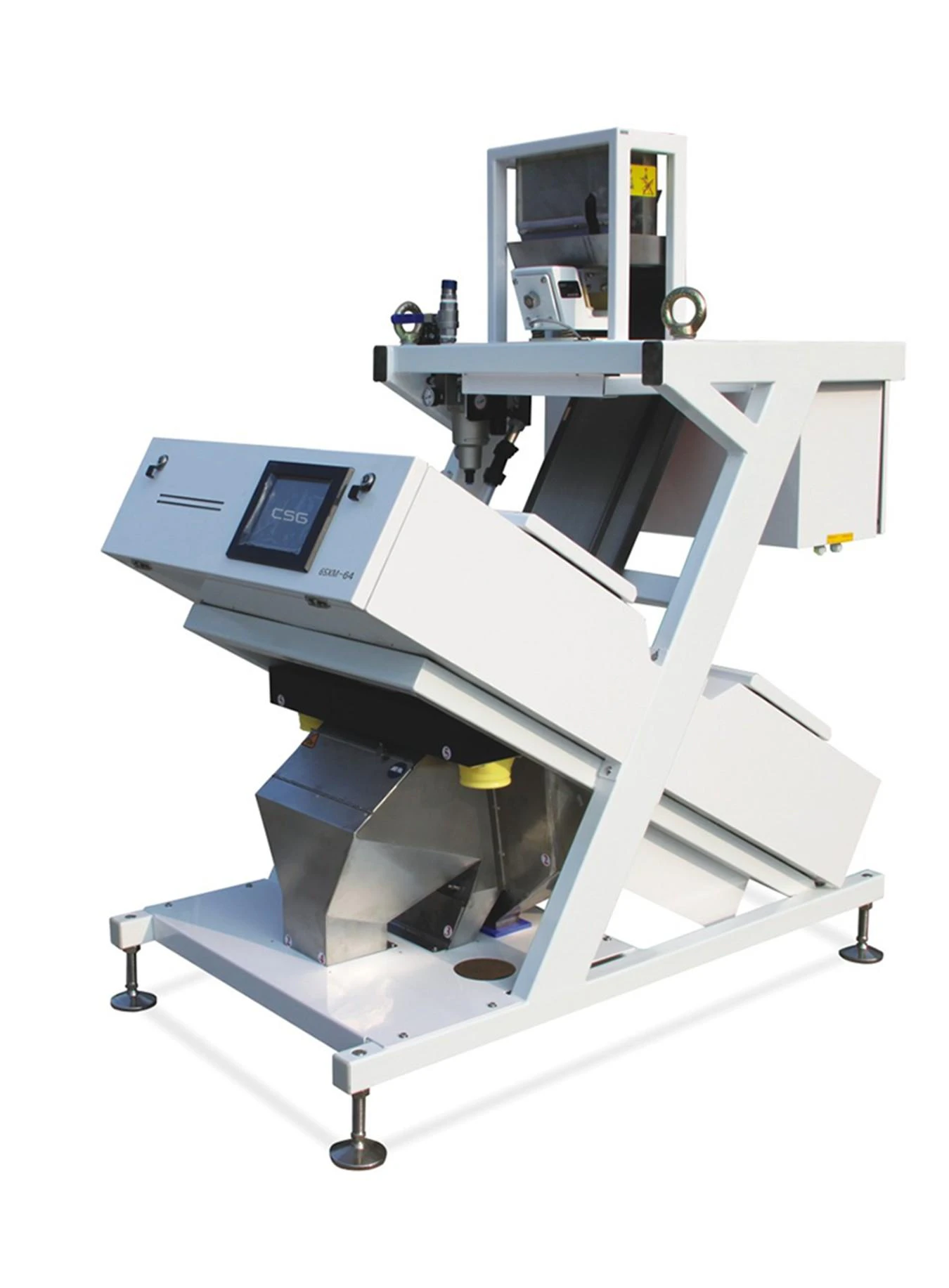
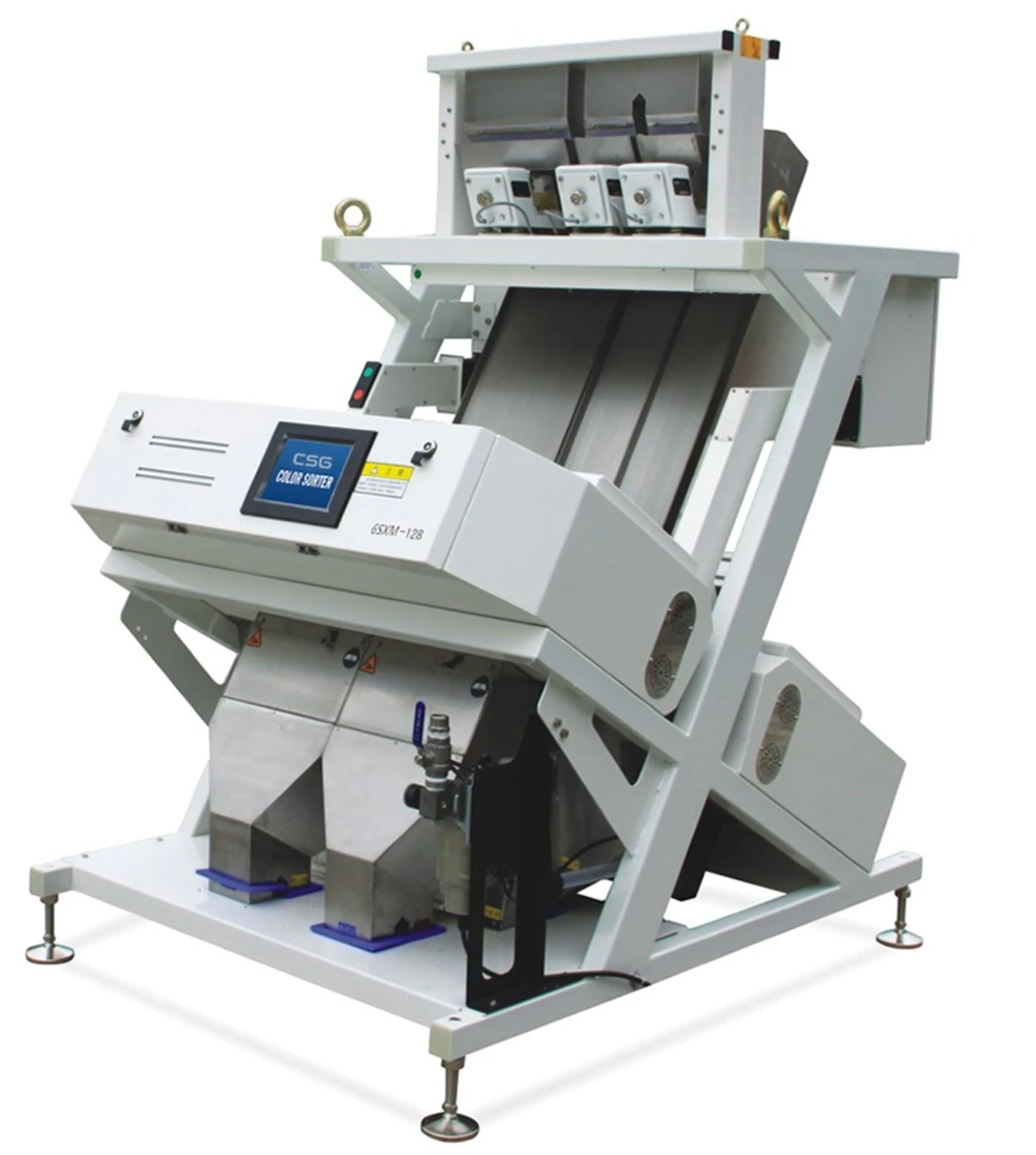
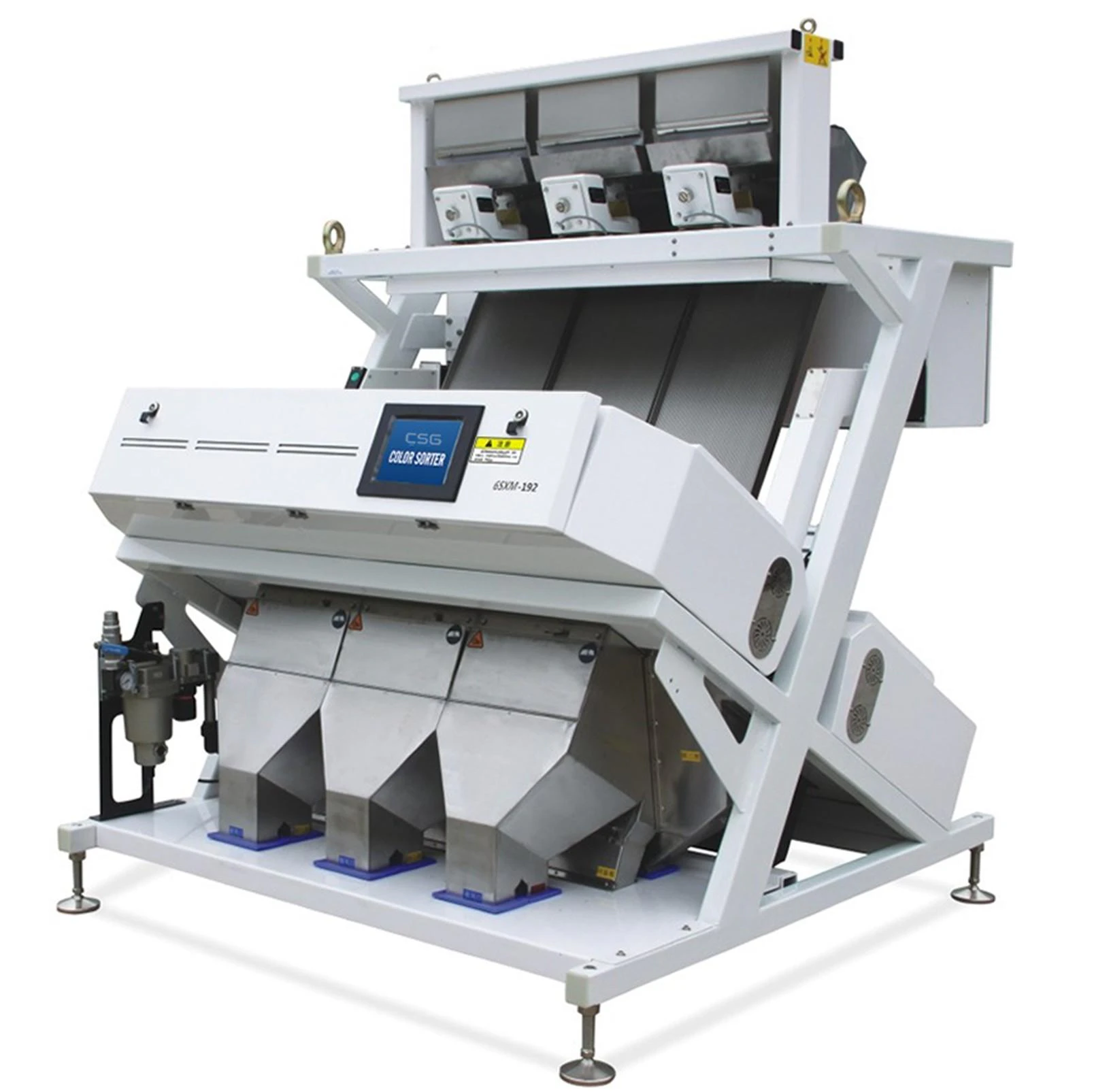
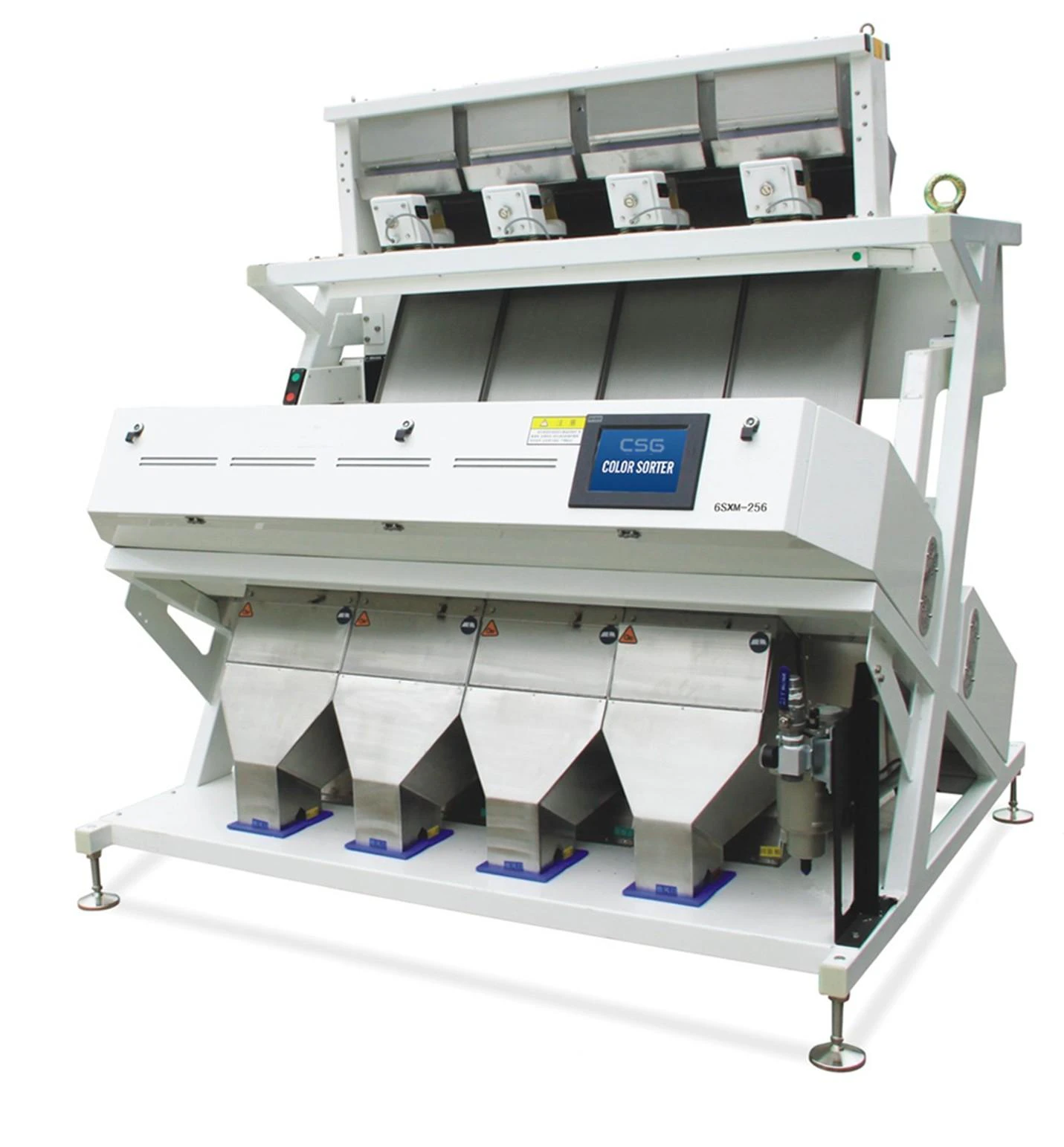
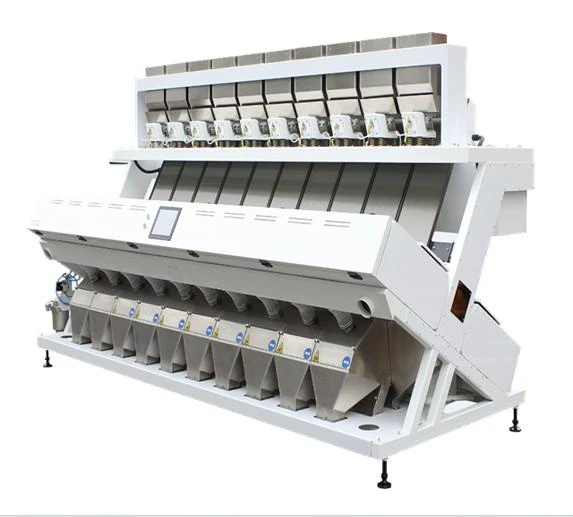
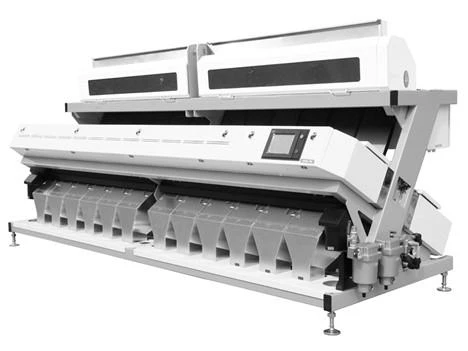
What Is a Chute-Type NIR Sorter?
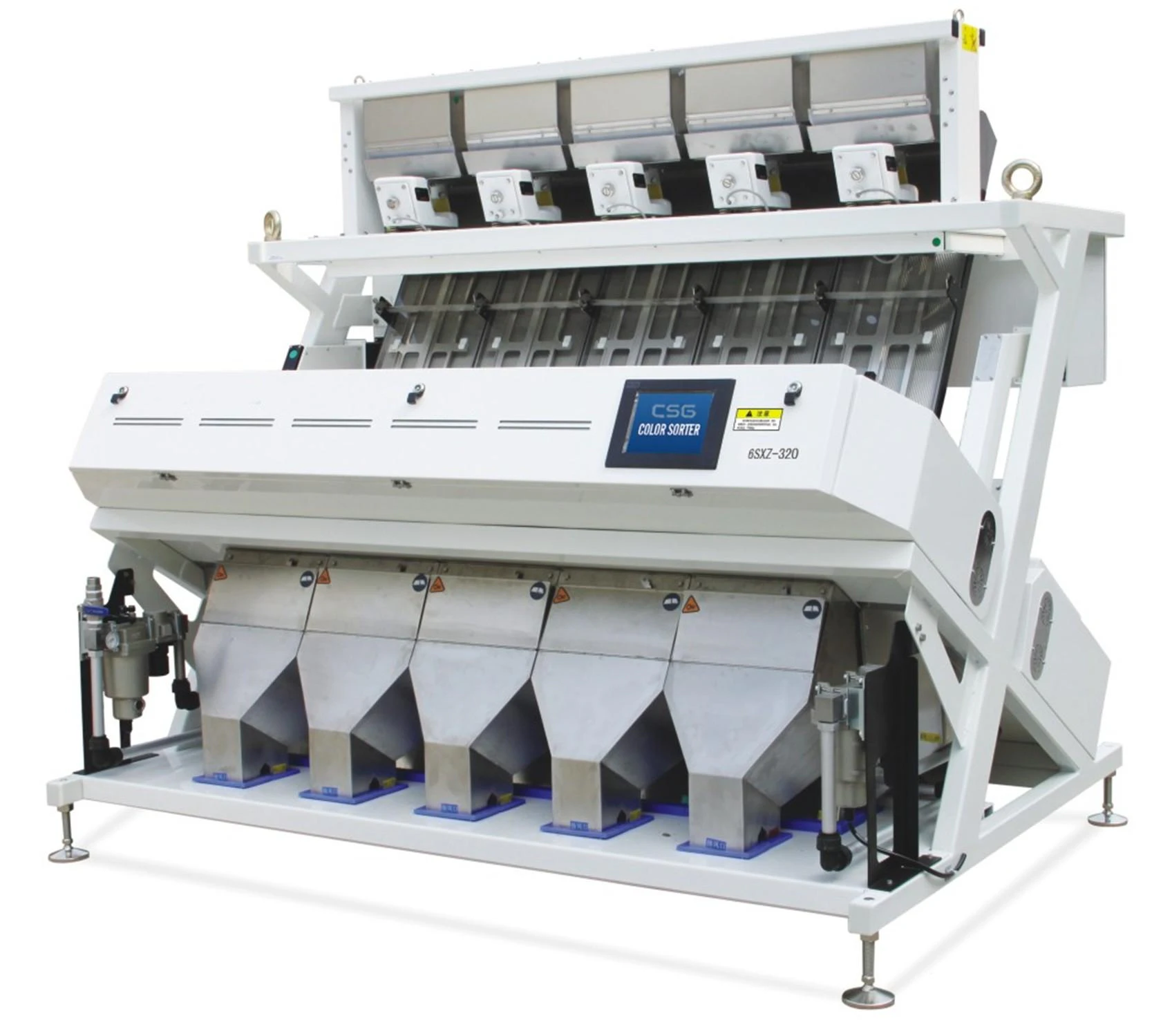
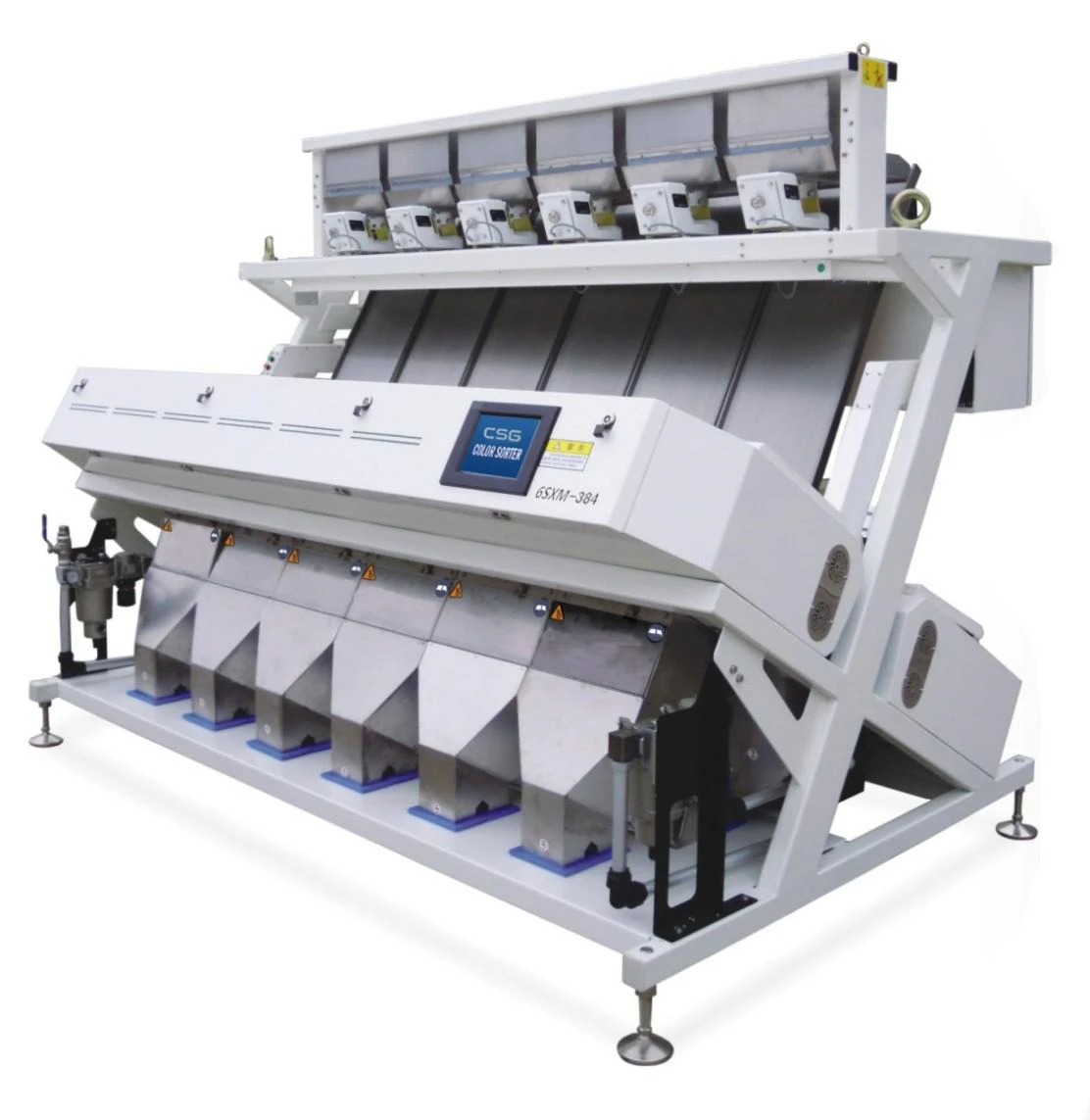
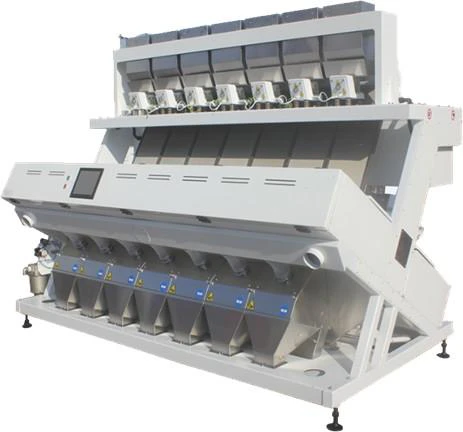
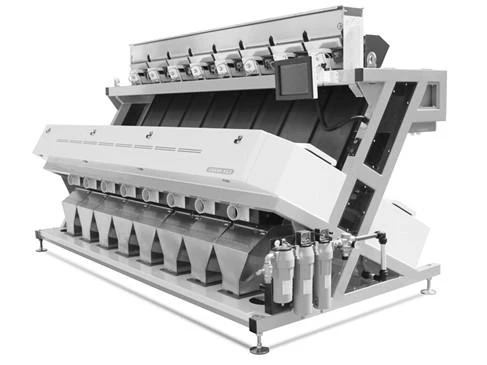
A chute-type NIR sorter, also known as a chute-type near-infrared sorting machine, is an industrial device that identifies and separates plastics based on their chemical composition as the material slides down an inclined surface in free fall. Unlike sorting equipment that relies on color or shape alone, this machine reads the molecular structure of each fragment using near-infrared light, making it capable of distinguishing between polymers that look visually identical. When a stream of mixed plastic passes through the detection zone, the system determines the material type within milliseconds and directs a burst of compressed air to push unwanted pieces out of the flow. The result is a purified output stream that meets consistent quality standards without manual intervention.
The term "chute-type" refers to the physical design of the feeding mechanism, where material accelerates down a smooth ramp rather than traveling along a conveyor belt. This configuration is particularly well suited to small, free-flowing materials such as granulates, flakes, and regrind. Because the plastic is in free fall at the moment of detection, the sorter can scan every particle from a stable, predictable position, which improves both the speed and the reliability of the sorting process. Plastic processing plants adopt these machines to recover valuable feedstock, reduce contamination, and increase throughput while keeping labor costs under control. Understanding how the underlying technology works helps buyers evaluate whether this equipment fits their specific material and production requirements.
How Does a Chute-Type NIR Sorter Sort Plastics?
A chute-type NIR sorter separates plastics through a tightly coordinated sequence of mechanical and optical steps that together form a continuous detection pipeline. Material enters the machine, is spread and accelerated down the chute, scanned by near-infrared sensors, classified by the computer system, and finally sorted by precisely timed air jets. Each stage depends on the one before it, and the entire process from entry to ejection takes only a fraction of a second per particle. This automation allows the machine to process large volumes of material consistently, removing the variability that comes with manual sorting and ensuring that the output meets defined purity targets.
What makes the process effective is the way these steps are synchronized. The machine does not simply detect and remove contaminants at random points; it tracks the position of every particle from the moment it is scanned to the moment it exits the chute. This tracking allows the control system to fire the correct air nozzle at the correct instant, so that only the targeted material is deflected while the accepted stream continues undisturbed. Understanding this pipeline helps buyers appreciate why factors like sensor resolution, air valve response time, and chute geometry all contribute to overall sorting performance. A weakness in any single stage can limit the accuracy and throughput of the entire system.
From Feeding to Ejection: The Detection Pipeline
The detection pipeline begins at the feeder, where a vibrating tray or metering device delivers material to the top of the chute at a steady, controlled rate. Consistent feeding is important because uneven surges can cause particles to pile up and overlap, which reduces detection accuracy. From the feeder, the material transitions to the chute acceleration stage, where gravity draws each particle down the inclined surface and spreads the stream into a single layer. By the time the material reaches the bottom of the chute, it has entered a stable free-fall trajectory, moving at a known and predictable speed.
Next comes NIR scanning, the heart of the process. As particles fall past the sensor array, near-infrared light illuminates each fragment and the reflected spectrum is captured and analyzed. The classification stage follows immediately: the computer compares each spectral reading against its material library and decides whether the particle should be accepted or rejected. Finally, in the air nozzle ejection stage, the system fires a precisely timed burst of compressed air at any particle marked for removal, deflecting it into a separate collection channel while the accepted material continues along its natural path. This end-to-end pipeline runs continuously, processing thousands of particles per second and turning a mixed input stream into cleanly separated output fractions.
The Role of Air Nozzles and Ejector Valves
The air nozzles and ejector valves are the components that physically carry out the sorting decision, and their performance largely determines how sharp and accurate the separation can be. A row of individually controlled valves sits at the base of the chute, each responsible for a narrow slice of the material stream. When the control system identifies a particle for rejection, it triggers the specific valve aligned with that particle's position, releasing a short, focused blast of compressed air. Because the valves are addressed individually, the machine can remove a single small flake from a dense stream without disturbing the surrounding accepted material.
Two properties matter most for these valves: response speed and precision. Response speed refers to how quickly a valve can open and close after receiving a command, measured in milliseconds. Faster valves allow the machine to eject smaller and faster-moving particles cleanly, which is essential when processing fine granulates at high throughput. Precision refers to how tightly the air jet is focused, since a jet that is too broad may accidentally deflect neighboring good material and reduce yield. High-quality ejector valves balance both qualities, delivering enough force to move the target particle while keeping the compressed air ejection tightly controlled. Well-designed nozzle arrays also manage air consumption efficiently, which affects the long-term operating cost of the machine.
What Plastics Can a Chute-Type NIR Sorter Detect?
A chute-type NIR sorter can detect the great majority of common plastics used in packaging and manufacturing, because most of these polymers reflect near-infrared light in measurable and distinctive ways. The machine excels at separating clear and lightly colored resins into clean, single-polymer streams, which is exactly what recycling and reprocessing operations need. That said, the technology is not universal. Certain materials absorb near-infrared light rather than reflecting it, and these fall outside the range that a standard NIR system can reliably identify. Knowing both the capabilities and the limitations helps buyers set realistic expectations and choose the right sorting method for their material.
It is also worth noting that near-infrared sorters generally come in two physical configurations, chute-type and belt-type, and each suits a different kind of material. Aside from X-ray-based systems used for specialized applications, this chute-versus-belt distinction covers most industrial plastic sorting scenarios. As a simple analogy, sorting large or delicate items resembles the belt approach, where material lies flat and travels gently, much like inspecting lemons on a moving surface. Sorting small, free-flowing items resembles the chute approach, where material pours down a ramp much like rice flowing through a funnel. This distinction, combined with the specification comparisons discussed earlier, guides the decision about which machine type fits a given operation.
Detectable Polymers: PET, HDPE, PP, PVC, PS and More
Among the polymers a chute-type NIR sorter handles well are polyethylene terephthalate (PET), high-density polyethylene (HDPE), polypropylene (PP), polyvinyl chloride (PVC), and polystyrene (PS). These correspond to several of the familiar resin identification codes stamped on plastic products, and each has a distinct near-infrared spectrum that the machine can recognize. PET, commonly found in beverage bottles, is one of the most widely sorted materials because of its high recycling value and its clear spectral signature. HDPE and PP, used in containers, caps, and rigid packaging, are equally straightforward for the system to distinguish, allowing operators to build clean fractions of each polymer type.
The ability to separate by resin identification code is central to producing high-value recycled feedstock. Mixed plastic streams often contain several polymer types that would contaminate one another if left together, lowering the quality and market price of the recovered material. By reading the polymer type of every particle, the sorter can isolate a target resin to high purity even when it makes up only a fraction of the input. Beyond the five common polymers named above, many machines can be configured to recognize additional engineering plastics and specialty resins by expanding the reference library. This flexibility allows a single platform to serve a range of applications, from bottle-to-bottle recycling to the recovery of technical polymers from industrial waste.
Limitations: Black Plastics and Overlapping Materials
The most well-known limitation of near-infrared sorting is its difficulty with black plastics. Many black plastics are colored with carbon black, a pigment that absorbs near-infrared light almost completely rather than reflecting it back to the sensor. Without a returned spectrum to analyze, the machine cannot identify the polymer type, and the particle appears effectively invisible to the detector. This is a fundamental property of the material and the light source, not a flaw in a particular machine, which is why standard NIR sorters struggle with dark or heavily pigmented streams. Alternative technologies or specially formulated detectable black pigments are sometimes used to address this challenge in dedicated applications.
Overlapping materials present a second limitation. Because the sensor reads the surface presented to it, particles that stack or clump together can produce a mixed or ambiguous spectral reading, leading to misclassification. This is one reason the chute design works so hard to spread material into a single layer before scanning. Materials with multi-layer constructions, heavy surface contamination, or coatings can also confuse the reading, since the sensor may capture the spectrum of the outer layer rather than the bulk polymer. Very fine dust and extremely small fragments below the machine's resolution limit may pass through unsorted as well. Recognizing these boundaries helps operators prepare their input streams appropriately and decide when additional pre-processing or a different technology is required.
Why Chute Feeding Suits Small, Free-Flowing Materials
Chute feeding is the natural choice for small, free-flowing materials such as granulates, flakes, and regrind, and the reason lies in how these materials behave under gravity. Small particles pour smoothly down an inclined surface and spread themselves into a thin, even layer without needing a mechanical carrier. This self-spreading behavior gives the sensor a clean view of individual particles and allows the air nozzles to eject specific fragments with high precision. On a conveyor belt, by contrast, small particles can bounce, scatter, or fail to lie in a stable position, which complicates both detection and ejection at high speed.
The free-fall geometry of the chute also plays to the strengths of fine material. Because granulates and flakes are light and uniform in behavior, they follow a predictable trajectory as they leave the chute, allowing the control system to time air bursts with great accuracy. This is why chute-type machines are favored for tasks like purifying PET flakes or upgrading recycled regrind, where the material is already reduced to small, consistent particles. Larger, flatter, or more fragile items behave differently and are usually better served by a belt-type system that transports them gently and keeps them stable. Matching the feeding method to the physical form of the material is therefore one of the most important decisions in selecting sorting equipment, and it connects directly to the chute-versus-belt comparison that guides the purchasing choice.
Chute-Type NIR Sorting vs. Belt-Type NIR Sorting
Chute-type and belt-type NIR sorters share the same core detection technology but differ in how they present material to the sensors, and this single difference shapes the applications each one serves best. In a chute-type machine, material free-falls down an inclined surface and is scanned in mid-air, which favors small, dense, free-flowing particles that spread naturally under gravity. In a belt-type machine, material rides on a conveyor and is scanned as it moves horizontally, which favors larger, flatter, or more fragile items that need to be transported gently and kept in a stable position. Neither design is universally superior; the right choice depends entirely on the physical characteristics of the material being sorted and the throughput the operation requires.
When comparing the two configurations across key factors, several patterns emerge. Chute-type systems generally handle smaller particle sizes, offer high throughput for granulates and flakes, and achieve excellent purity on free-flowing streams. Belt-type systems accommodate larger particle sizes, handle fragile or irregularly shaped material more gently, and provide a stable scanning surface for items that would tumble unpredictably in free fall. Chute machines tend to have a more compact footprint for a given capacity of fine material, while belt machines offer more flexibility for mixed-size or delicate input. A specification comparison that lays out particle size range, throughput, and material fragility side by side makes it clear which configuration aligns with a specific sorting task, and this comparison forms the foundation of a sound purchasing decision.
Choosing Between Chute and Belt Configurations
The decision between a chute and a belt configuration comes down to a few practical questions about your material. The first is particle size. If your input consists of small granulates, flakes, or regrind that flow freely, a chute-type sorter will typically deliver better detection accuracy and higher purity, because these materials spread cleanly into a single layer and follow a predictable free-fall trajectory. If your input consists of larger fragments, whole objects, or items with irregular shapes, a belt-type sorter provides the stable transport surface those materials need to be scanned reliably. Trying to run oversized or awkward material through a chute, or fine granulate across a belt, tends to reduce both accuracy and yield.
The second question concerns throughput and material fragility. Chute-type systems are well suited to high-volume streams of uniform small particles, where their gravity-fed design keeps the flow moving quickly and consistently. Belt-type systems shine when material is fragile and must not be damaged, since the belt carries each piece gently rather than sending it into free fall. Combining these considerations with the specification comparison discussed above allows a buyer to match the machine to the job with confidence. In practice, an operation processing PET flake or recycled regrind will usually favor a chute-type sorter, while one handling larger rigid pieces or delicate materials will lean toward a belt-type sorter. Clarifying these material and volume characteristics early makes the rest of the selection process much more straightforward.
What Industries Use Chute-Type NIR Sorters?
Chute-type NIR sorters are found wherever small, free-flowing plastic materials must be separated into clean, high-value fractions, and the recycling sector is the largest adopter by far. In a modern plastic recycling plant, incoming material is typically shredded into flakes or granulate before sorting, which makes it a natural fit for the chute design. One of the most common applications is PET flake purification, where the machine removes contaminating polymers and off-color pieces to produce a clean PET stream suitable for bottle-to-bottle recycling or high-grade fiber production. The ability to reach high purity on fine material is precisely what these operations depend on to meet the strict quality specifications of their downstream customers.
Beyond dedicated recycling plants, chute-type sorters play an important role in the processing of regrind, the recovered material generated when manufacturers reclaim scrap and rejected parts from their own production. Feeding this regrind through a chute-type sorter removes stray contaminants and ensures the reclaimed material can be reused without compromising product quality. Waste sorting facilities also use these machines to extract valuable polymers from mixed municipal or commercial waste streams that have been pre-shredded. Compounders and plastics manufacturers rely on them to guarantee the consistency of their raw feedstock, since even small amounts of the wrong polymer can affect the properties of a finished product. Across all of these settings, the common thread is the need to sort small particles quickly, accurately, and with minimal manual labor, which is exactly where chute-type near-infrared technology delivers its greatest value.
How to Choose the Right Chute-Type NIR Sorter
Choosing the right chute-type NIR sorter starts with a clear understanding of your own material and production goals, then works outward to the machine specifications that support them. The most successful purchases begin not with a comparison of brands but with a detailed profile of the input stream: what polymers are present, what contaminants must be removed, what particle sizes dominate, and how many tons per hour need to be processed. With that profile in hand, a buyer can evaluate candidate machines against concrete requirements rather than general impressions. The chute-versus-belt comparison discussed earlier is the first filter, confirming that a chute configuration suits the small, free-flowing nature of the material before any detailed specification work begins.
From there, the selection process becomes a matter of matching machine capabilities to operational needs. Throughput capacity, chute width, detection accuracy, and the resulting purity rate are the specifications that most directly determine whether a machine will meet its targets. Just as important, though, is fit with the broader operation: available floor space, compressed air supply, integration with upstream shredding and downstream collection, and expected maintenance requirements. A machine that performs beautifully in isolation can still disappoint if it is mismatched to the surrounding process. Taking the time to align both the technical specifications and the practical logistics ensures that the chosen sorter delivers the purity and productivity the operation was seeking, and it reduces the risk of costly adjustments after installation.
Key Specifications: Throughput, Chute Width and Sorting Accuracy
Throughput capacity is usually the headline specification, expressed as the mass of material a machine can process per hour. It is important to interpret this figure in context, because rated throughput depends heavily on material type, particle size, and the required purity level. A machine may process a high tonnage of coarse, easy-to-sort flake but a lower tonnage of fine material that demands more careful scanning. Chute width is closely related, since a wider chute presents a broader stream to the sensors and allows more material to flow through at once. Matching chute width to the target throughput ensures the material layer stays thin enough for accurate detection while still moving the required volume.
Sorting accuracy and the resulting purity rate describe how cleanly the machine separates the target polymer from everything else. Purity rate is typically stated as the percentage of the desired material in the output stream, and it reflects the combined performance of the sensors, the classification software, and the ejector valves. Higher purity often comes at the cost of some yield, because a machine tuned to reject anything questionable will occasionally remove good material along with contaminants, so buyers should look at both purity and yield together. Detection resolution, the smallest particle the sensor can reliably read, also belongs in this evaluation, especially for operations handling fine granulate. Considering throughput capacity, chute width, purity rate, and resolution as a connected set, rather than in isolation, gives the clearest picture of how a machine will perform on a specific material.
Matching the Sorter to Your Material and Volume
The final step in selection is to bring the material profile and the production volume together and test them against the machine's specifications. A useful approach is to work from the most demanding condition the sorter will face: the finest particle size, the most difficult contaminant to remove, or the highest instantaneous flow rate. If a machine can meet the purity and throughput targets under that worst-case condition, it will comfortably handle everyday operation. Buyers should also consider how consistent their input stream is, because a highly variable feed may require a machine with more sensing flexibility or a wider tuning range than a stable, uniform stream would demand.
Volume planning deserves particular attention, since both under-sizing and over-sizing carry costs. A machine that is too small will bottleneck the line and force operators to run it beyond its comfortable range, eroding purity and increasing wear. A machine that is far larger than needed ties up capital and consumes more compressed air and floor space than the operation can justify. The goal is a sensible match, with enough headroom to absorb reasonable growth and demand peaks but not so much that the investment sits idle. By grounding the decision in the actual characteristics of the material and the realistic volume the operation produces, a buyer can select a chute-type NIR sorter that performs reliably today and continues to serve the operation as its needs evolve.
FAQ
What is the difference between a chute-type and belt-type NIR sorter?
The main difference is how material is presented to the sensors: a chute-type sorter scans material in free fall down an inclined ramp, while a belt-type sorter scans material as it travels flat on a conveyor. This distinction determines which materials each machine handles best. Chute-type systems suit small, free-flowing particles like granulates, flakes, and regrind, because these materials spread naturally into a thin layer and follow a predictable free-fall trajectory that allows precise air-jet ejection. Belt-type systems suit larger, flatter, or more fragile items that need to be transported gently and kept stable during scanning. Both share the same near-infrared detection technology, so the choice comes down to particle size, material fragility, and throughput rather than any difference in how the polymers are identified.
Can a chute-type NIR sorter detect black plastic?
Standard chute-type NIR sorters generally cannot reliably detect black plastics colored with carbon black, because that pigment absorbs near-infrared light instead of reflecting it back to the sensor. When no spectrum returns to the detector, the machine has nothing to analyze and the particle effectively becomes invisible to the system. This is a fundamental property of carbon black interacting with near-infrared light, not a defect in any particular machine. Operations that must sort dark material often turn to alternative approaches, such as specially formulated near-infrared-detectable black pigments used at the product design stage, or entirely different sensing technologies suited to dark streams. For the wide range of clear and lightly colored plastics, however, NIR detection remains highly effective.
What purity levels can a chute-type NIR sorter achieve?
A well-configured chute-type NIR sorter can commonly reach purity rates in the high nineties percent for suitable, free-flowing materials, though the exact figure depends on the input composition and settings. Purity reflects the combined performance of the optical sensors, the classification software, and the ejector valves working together on a clean, single-layer stream. Achieving very high purity sometimes involves a trade-off with yield, because a machine tuned to reject any questionable particle will occasionally remove some good material alongside contaminants. Factors such as particle size consistency, the difficulty of the contaminants present, and the throughput being pushed through the machine all influence the achievable purity. For applications like PET flake purification, these high purity levels are precisely what makes the technology valuable.
What sizes of plastic can a chute-type NIR sorter handle?
Chute-type NIR sorters are designed for small, free-flowing materials such as flakes, granulates, and regrind, typically ranging from a few millimeters up to a few centimeters depending on the machine. The chute design relies on gravity to spread these particles into a thin, single layer, which is why it performs so well with fine, uniform material. There is a lower limit as well, set by the detection resolution of the sensors, below which very small dust-like fragments may pass through unsorted. Material that is too large, flat, or irregularly shaped tends to behave unpredictably in free fall and is usually better handled by a belt-type system. Confirming that your material falls within a given machine's size range is an essential step in the selection process.
How much throughput can a chute-type NIR sorter process?
Throughput varies widely by machine size and material, but chute-type NIR sorters are capable of processing substantial volumes of fine material, often measured in several tons per hour for a single unit. The rated figure depends strongly on particle size, polymer type, and the purity level required, since finer material and higher purity targets both reduce effective throughput. Chute width is a key factor here, because a wider chute presents more material to the sensors at once while keeping the layer thin enough for accurate detection. When planning capacity, it helps to evaluate throughput under the most demanding conditions the machine will face, ensuring the unit can meet targets during peak flow rather than only under ideal conditions.