Types of Chute Type AI NIR Sorter
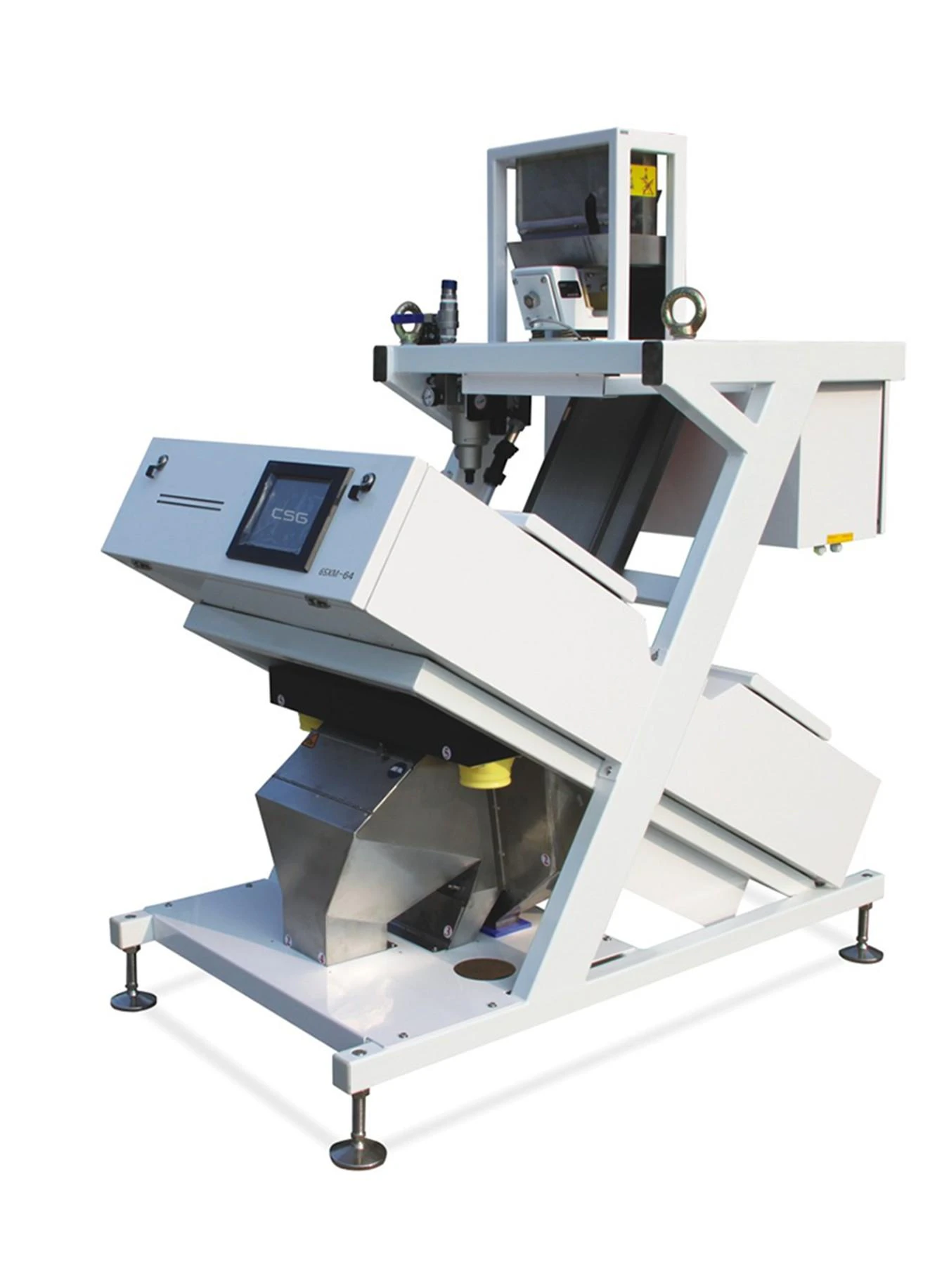
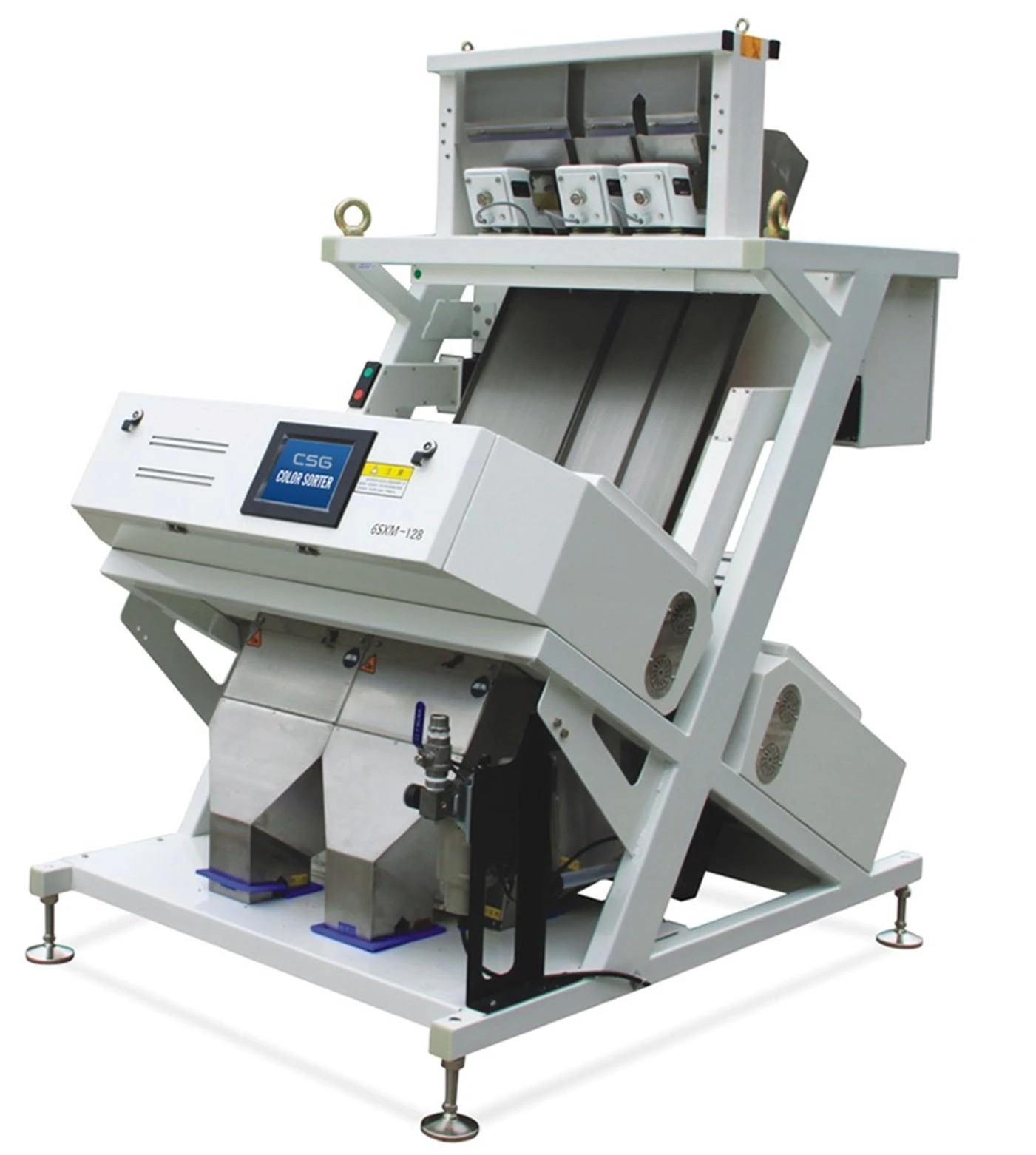
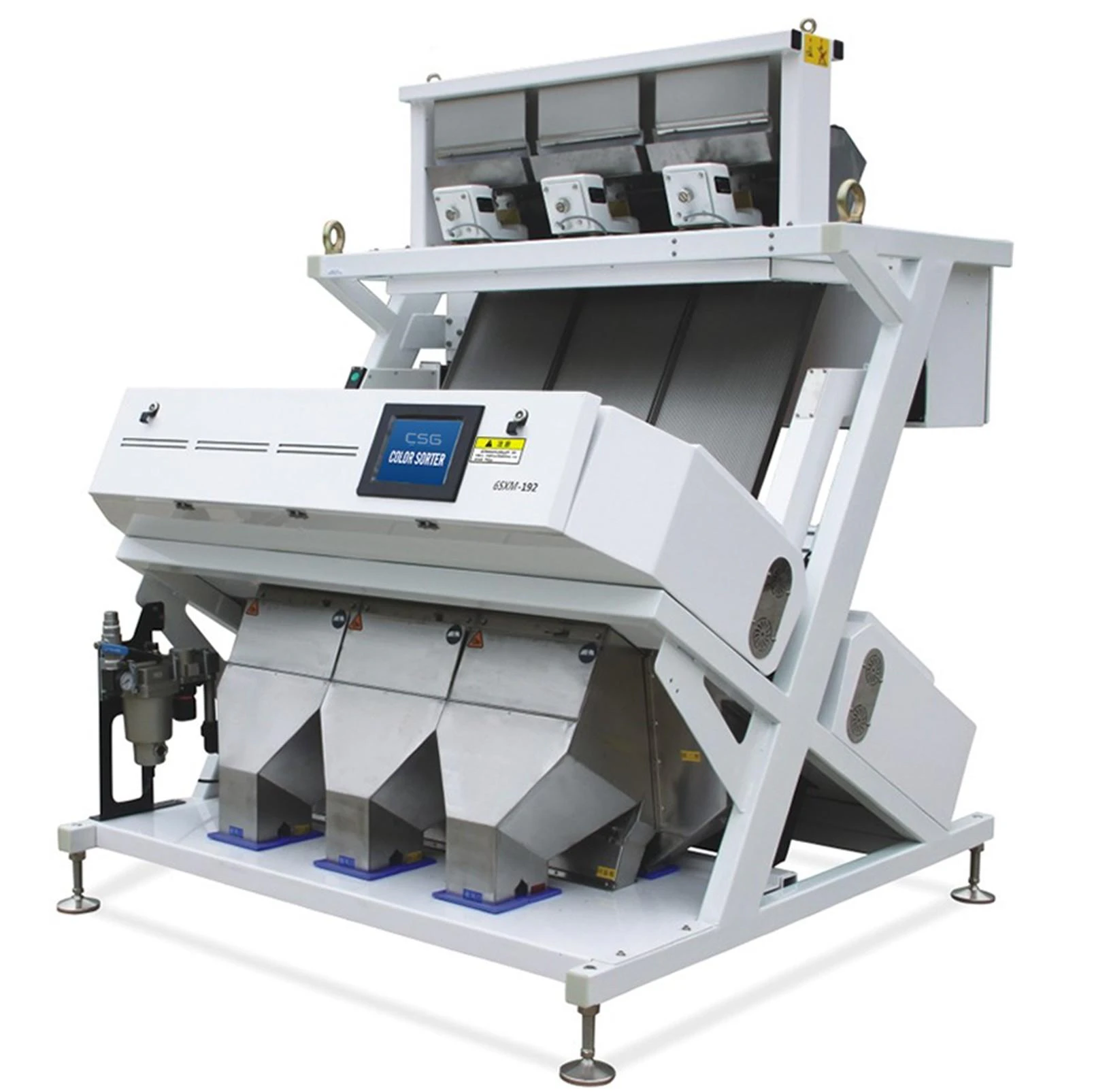
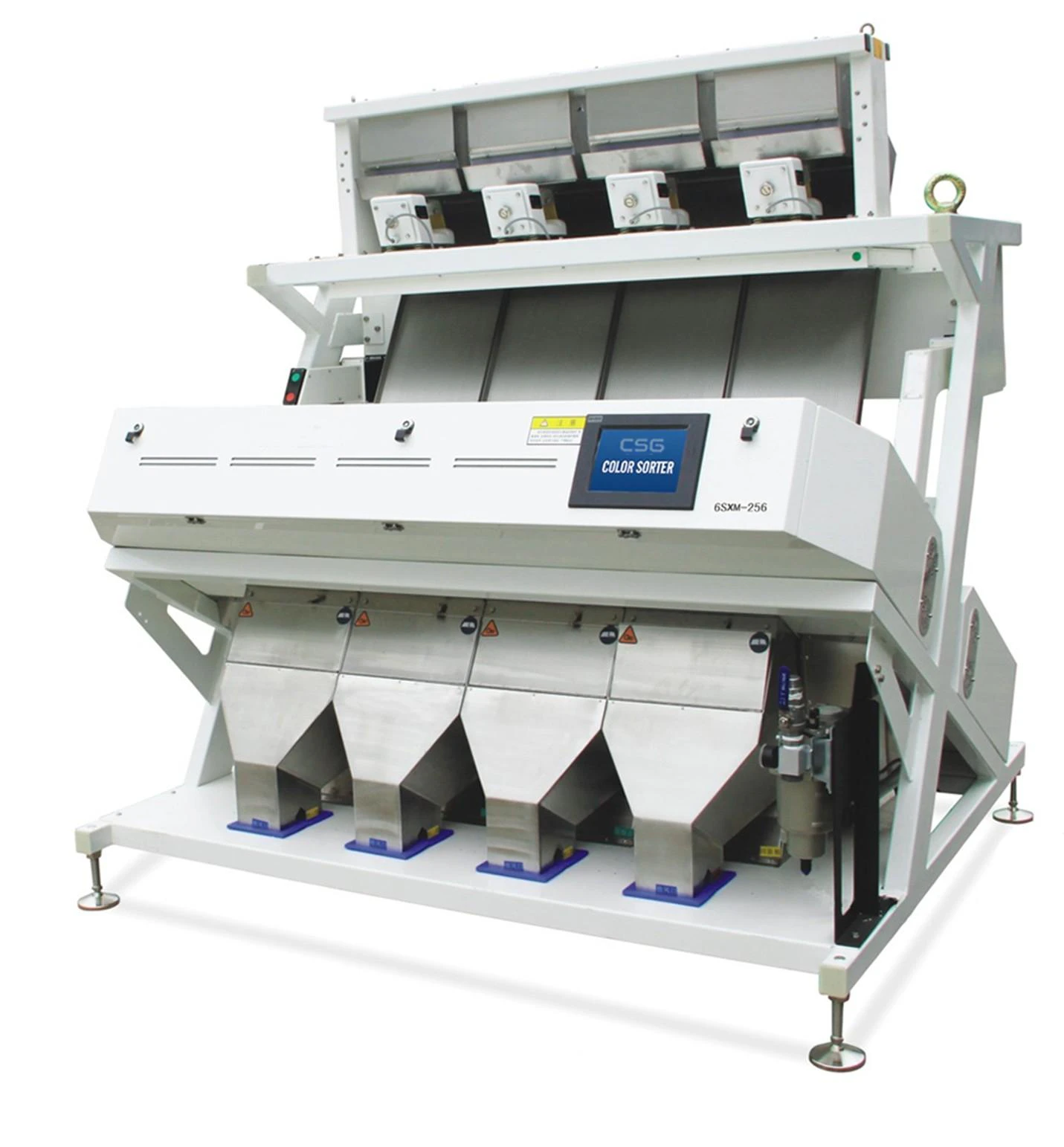
What Is a Chute-Type AI NIR Sorter?
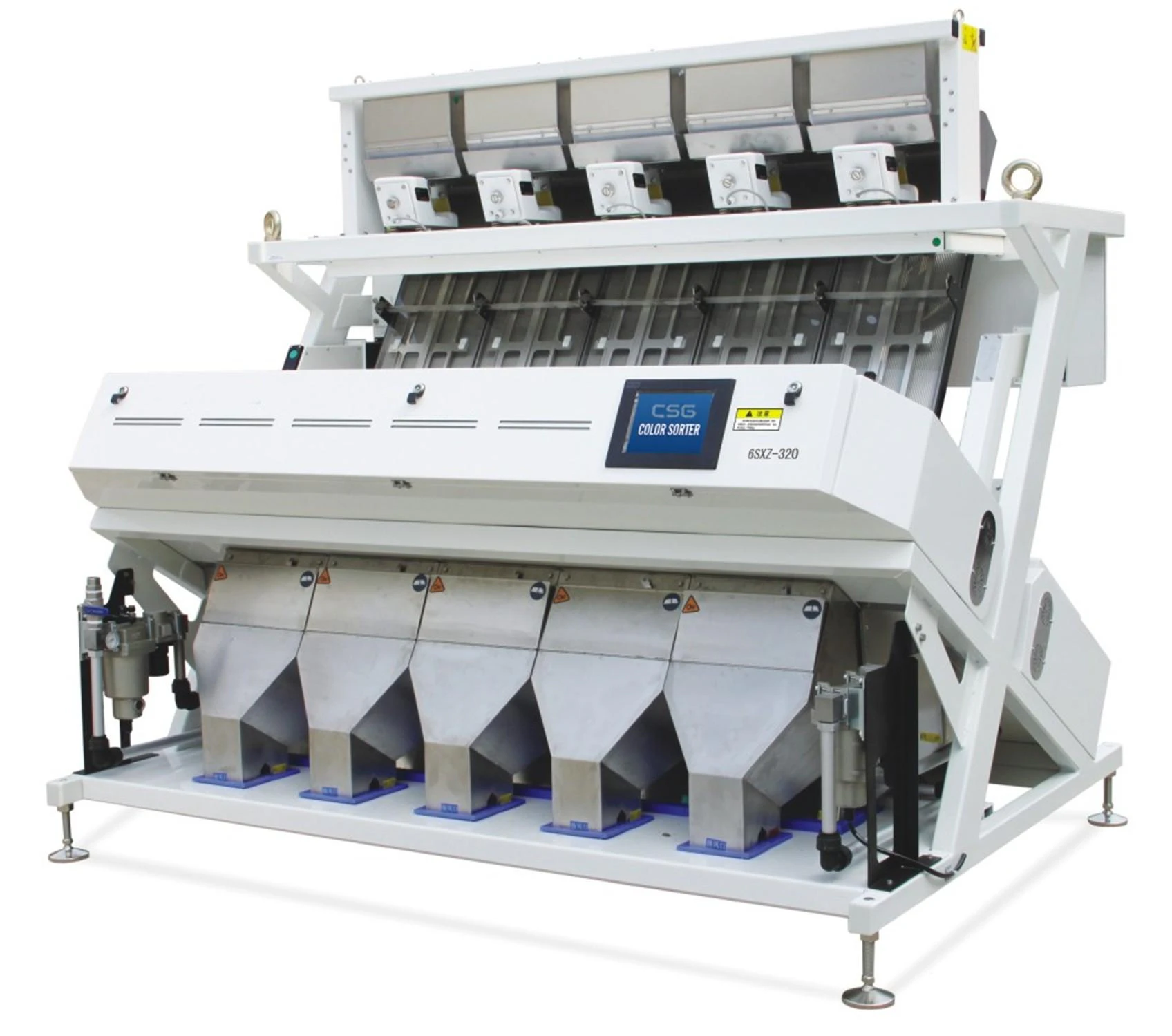
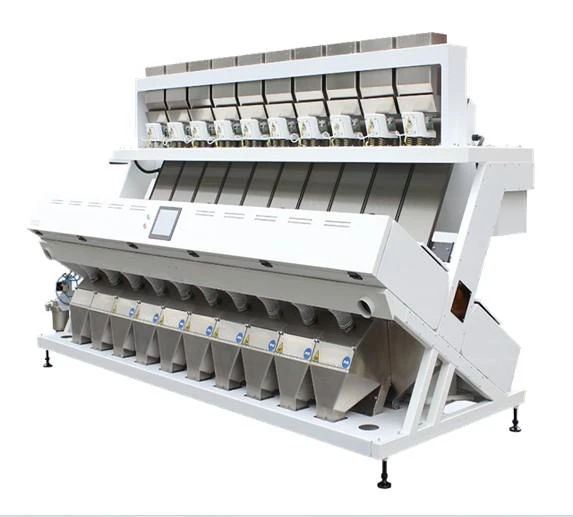
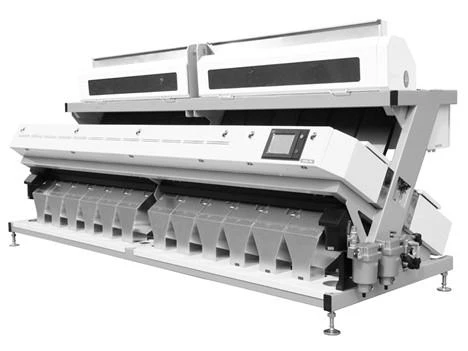
A chute-type AI NIR sorter is an advanced industrial machine that identifies and separates plastics as they slide down an inclined ramp in free fall, using near-infrared light and artificial intelligence to determine the polymer type of each fragment. Also known as a chute-type near-infrared sorting machine, this equipment combines an optical sensing head, a high-speed processing unit, and a bank of precisely controlled air valves to sort mixed plastic streams into clean, single-polymer fractions. Rather than relying on a human operator to visually distinguish materials that often look identical, the machine reads the invisible chemical fingerprint of every piece and makes a sorting decision in milliseconds. This capability is what allows recycling plants and plastic processors to achieve the consistent purity that downstream manufacturing demands.
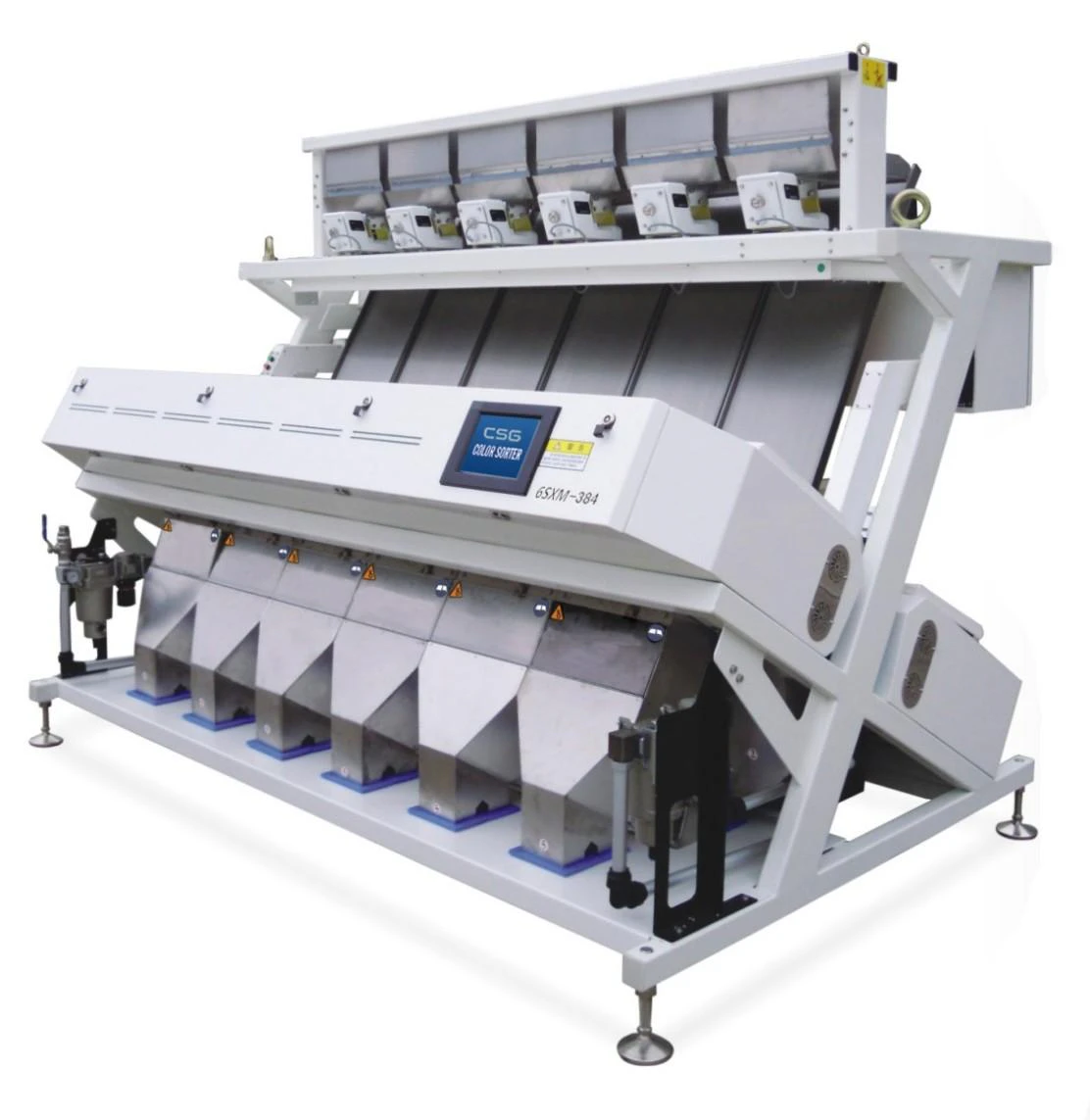
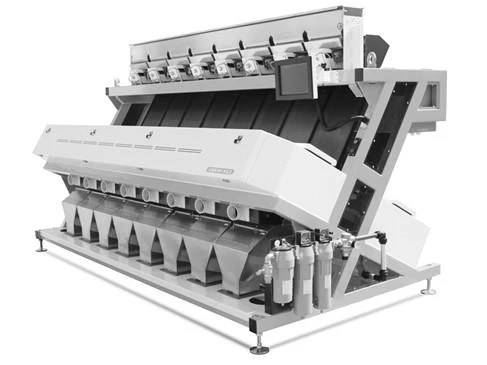
The physical structure of the machine centers on a smooth, steeply angled chute down which the feed material travels. As the plastic accelerates under gravity, it passes a scanning zone where sensors capture data, and then reaches an ejection point where compressed air jets redirect selected pieces onto a different trajectory. Everything happens without the material ever touching a conveyor belt during the critical detection moment. Because the entire process is automated and self-correcting, a single chute-type near-infrared sorting machine can process several tons of material per hour while maintaining accuracy that would be impossible to sustain manually. The result is a system that pairs the analytical power of spectroscopy with the responsiveness of AI-driven control.
The Role of Near-Infrared Spectroscopy in Material Identification
Near-infrared spectroscopy is the scientific principle that makes polymer recognition possible. When near-infrared light strikes a plastic surface, the material absorbs certain wavelengths and reflects others depending on the chemical bonds within its molecular structure. Every polymer family, whether PET, HDPE, or PP, has a characteristic pattern of absorption known as its spectral signature. The sensor head inside the sorter measures the reflected light across a range of wavelengths and produces a spectrum that acts like a fingerprint for that specific material. Because these signatures are rooted in molecular chemistry rather than surface appearance, the technology can reliably distinguish between plastics that are the same color or shape but chemically different.
What separates a modern AI NIR sorter from earlier generations is how the spectral data gets interpreted. Traditional systems compared each reading against a fixed library of reference spectra, which worked well for clean, predictable material but struggled with contamination, overlapping signals, or degraded plastics. By layering machine learning models on top of the raw spectral input, the machine can recognize subtle variations and classify materials even when the signal is noisy or partially obscured. This means the near-infrared sensing hardware and the intelligent software work as a unit: the spectroscopy provides the chemical evidence, and the AI provides the judgment needed to turn that evidence into an accurate sorting decision.
Free-Fall Detection: Why the Chute Design Matters
The defining feature of this equipment is that detection happens while the material is falling freely through the air rather than resting on a moving belt. As fragments slide down the inclined chute, they reach a stable and predictable velocity, which gives the sensor a clean, unobstructed view of each piece from a consistent distance. Free-fall detection eliminates the interference that a belt surface can introduce, such as background reflection or the shadow cast by the belt itself. It also allows the machine to scan both the material and the empty space around it, making it easier to isolate individual particles in a dense stream.
The chute design carries practical advantages that go beyond signal clarity. Because there are fewer moving surfaces in contact with the material, the machine experiences less mechanical wear and requires less routine maintenance in the detection area. The steep geometry also keeps small particles from clustering or overlapping, which is essential when sorting fine flakes or granulated material. When a piece is flagged for removal, the air valves positioned at the base of the chute fire a burst of compressed air at exactly the right instant, nudging the target fragment off its natural falling path. This tight coordination between the free-fall trajectory and the timed ejection is precisely why the chute configuration excels at handling small, uniform material.
How Does a Chute-Type AI NIR Sorter Sort Plastics?
The sorting process in a chute-type near-infrared sorting machine follows a continuous sequence that begins the moment material enters the system and ends when clean fractions land in separate collection bins. Although the machine performs this cycle thousands of times per second, the underlying logic is straightforward: the material is spread evenly, accelerated to a stable speed, scanned for its chemical identity, evaluated by intelligent software, and then either allowed to fall through or deflected by a jet of air. Each stage is engineered to feed cleanly into the next, so the overall throughput stays high without sacrificing the precision of any individual decision.
Understanding this workflow helps buyers appreciate why certain design choices matter. The consistency of the feed determines how well the sensor can isolate individual pieces, the stability of the free fall determines the accuracy of the scan, and the timing of the air valves determines whether the right fragment actually ends up in the right bin. A weakness in any one step undermines the whole chain. The sections below break the process into its core stages so you can see how the mechanical, optical, and computational elements combine into a single reliable operation.
Feeding and Material Acceleration Through the Chute
Every accurate sort begins with a well-controlled feed. Material is typically delivered onto a vibrating feeder or a distribution tray that spreads the incoming stream into a thin, even layer across the full width of the chute. This spreading step is critical because pieces that are stacked on top of one another or bunched together cannot be scanned individually, which leads to misclassification. By presenting the material as a single, uniform curtain, the feeder gives the sensor a clear line of sight to every fragment. The quality of this initial distribution often has more impact on final purity than any other mechanical factor in the machine.
Once the layered material reaches the top of the inclined chute, gravity takes over. As the pieces slide down the smooth surface, they accelerate to a consistent velocity determined by the angle and length of the ramp. This predictable speed is what allows the downstream systems to calculate exactly where each fragment will be at a given moment in time. The acceleration phase also naturally separates particles slightly, reducing the chance that two pieces pass the scanning zone as a single blur. By the time the material leaves the chute and enters free fall, it is traveling in a stable, well-spaced pattern that is ideal for high-resolution spectral scanning.
Spectral Scanning and Polymer Recognition
At the scanning zone, a near-infrared light source illuminates the falling material while a high-speed sensor captures the reflected light. The sensor divides its field of view into a fine grid of measurement points, so it can record a separate spectrum for many small regions across the width of the chute simultaneously. Each reading is compared against the known spectral signatures of the target polymers, allowing the system to assign a material type to every point in the stream. Because the light interacts with the chemical bonds inside the plastic, this recognition works regardless of how the fragment looks to the human eye, which is why two identically colored pieces can still be sorted into different streams.
The scanning stage produces an enormous volume of data in real time, essentially building a chemical map of the material as it passes. This map identifies not only what each fragment is made of but also where it sits within the falling curtain. That spatial information is essential for the next step, because knowing the exact position of a target piece is what makes precise ejection possible. The sensor must operate fast enough to keep pace with the free-fall speed, capturing hundreds or thousands of frames per second so that even a small flake traveling at high velocity is measured accurately before it reaches the ejection point.
AI-Driven Decision Making and Ejection by Air Valves
Once the spectral map is generated, the machine's processing unit must decide, for every identified fragment, whether it belongs in the accepted fraction or should be removed. This is where artificial intelligence adds substantial value. Instead of applying a rigid pass-or-fail rule, the AI model weighs the confidence of each spectral reading, accounts for contamination or overlapping signals, and adapts to the specific purity target the operator has set. It can be trained to prioritize maximum purity in one job and maximum recovery in another, giving the same hardware the flexibility to serve very different production goals without physical reconfiguration.
After the decision is made, the machine translates it into physical action through a row of high-speed air valves mounted at the base of the free-fall path. Each valve controls a narrow column of the falling stream. When a target fragment reaches the ejection line, the corresponding valve fires a precisely timed burst of compressed air that pushes the piece off its natural trajectory and into a separate collection channel, while non-target material continues to fall undisturbed. The timing must be accurate to a fraction of a millisecond, since the material is moving quickly and the target window is small. This seamless handoff from AI judgment to mechanical ejection is what turns a stream of mixed plastic into cleanly separated output.
What Plastics Can a Chute-Type AI NIR Sorter Detect?
A chute-type AI NIR sorter can reliably detect and separate the vast majority of common thermoplastics because each one carries a distinct near-infrared spectral signature. Materials such as PET, HDPE, PVC, PP, PS, and ABS all reflect near-infrared light in characteristic patterns tied to their molecular structure, which means the sensor can tell them apart even when they share the same color or physical form. This broad detection range is what makes the technology so valuable to recyclers, since a single machine can pull multiple polymer types out of a mixed stream and route each into its own clean fraction. For plants that need to meet strict specifications on recycled feedstock, this level of polymer discrimination is often the deciding factor.
It is equally important to understand where the technology reaches its limits, because near-infrared detection depends on light being reflected back to the sensor. When a material absorbs most of the incoming light rather than reflecting it, the sensor receives too weak a signal to generate a usable spectrum. This is why black and very dark plastics colored with carbon black present a well-known challenge for standard NIR systems. Recognizing both the strengths and the boundaries of the method helps buyers set realistic expectations and decide whether a chute configuration, a belt configuration, or a supplementary technology is the right fit for their specific material stream.
Detectable Polymers and Their Spectral Signatures
The polymers most commonly handled by these machines include PET, which dominates beverage bottle recycling, along with HDPE and PP, which appear widely in packaging and rigid containers. PVC, PS, and ABS round out the list of frequently sorted materials, and many systems can also distinguish between grades or additives within a single polymer family when the spectral differences are pronounced enough. Each of these plastics absorbs and reflects near-infrared wavelengths in a repeatable pattern, so once the machine's software knows what to look for, it can classify these materials with high confidence even in a fast-moving, mixed stream. This is the foundation of producing single-polymer output that meets recycled content standards.
The reliability of this recognition rests on the quality of the spectral library and the intelligence of the classification software. Because real-world feedstock is rarely pure, the AI must handle fragments that are dirty, degraded, or partially coated with labels and residue. A well-trained model can still identify the underlying polymer by focusing on the strongest spectral features and ignoring the noise introduced by surface contamination. This robustness is what allows a chute-type near-infrared sorting machine to maintain consistent classification across the wide variety of conditions found in a working recycling facility, rather than only under ideal laboratory conditions.
Limitations: Black Plastics and Dark Absorbing Materials
The most significant limitation of standard near-infrared sorting involves black and dark-colored plastics. Many black plastics are pigmented with carbon black, a colorant that absorbs light across the near-infrared range instead of reflecting it. Without a reflected signal, the sensor cannot capture a meaningful spectrum, so the machine simply cannot identify the polymer type of these pieces. As a result, dark absorbing materials often pass through the sorter unrecognized and end up in a residual or reject fraction rather than being properly classified. This is a physical constraint of the detection method rather than a shortcoming of any particular machine.
Buyers whose feedstock contains a large proportion of black plastic should account for this limitation during selection. Some facilities address it by using alternative colorants that reflect near-infrared light, allowing otherwise dark plastics to be detected, while others pair their NIR equipment with complementary technologies designed specifically for dark materials. Beyond color, extremely thin films or transparent fragments can also produce weak signals that challenge accurate classification. Understanding these edge cases up front ensures that a chute-type sorter is deployed where it performs best and is supported by additional processing steps where its physical limits would otherwise reduce recovery.
Chute-Type NIR Sorting vs. Belt-Type NIR Sorting
Aside from specialized X-ray-based systems, near-infrared sorters generally fall into two broad configurations: chute-type and belt-type. Both share the same underlying near-infrared detection principle and both use air valves for ejection, but they differ fundamentally in how material is presented to the sensor. In a chute-type machine, the material is scanned during free fall as it slides down an inclined ramp, while in a belt-type machine, the material is carried horizontally on a conveyor and scanned at the point where it leaves the belt. This single difference in material presentation drives most of the practical distinctions between the two designs, from the ideal particle size to the overall footprint of the equipment.
The comparison below summarizes how the two configurations differ across the factors that matter most during selection. Neither design is universally superior; each is optimized for a particular kind of feed. A facility processing fine flakes and granules will lean toward one configuration, while a plant handling large, irregular objects will favor the other. Reviewing these differences side by side makes it easier to match the machine to the physical characteristics of the material you actually need to sort.
| Factor | Chute-Type NIR Sorter | Belt-Type NIR Sorter |
|---|---|---|
| Feeding method | Material slides down an inclined chute | Material carried on a horizontal conveyor |
| Scanning position | During free fall | At the discharge end of the belt |
| Ideal material size | Small flakes, granules, crushed fragments | Larger, irregular, or rolling objects |
| Throughput per unit width | High for fine, uniform material | High for bulky, mixed material |
| Detection accuracy | Excellent for small, stable-falling pieces | Excellent for large, stable-lying pieces |
| Footprint | Generally more compact | Longer due to conveyor length |
When to Choose a Chute-Type Configuration
A chute-type configuration is the stronger choice whenever the feed consists of small, relatively uniform pieces that fall in a stable and predictable way. Crushed plastic flakes, granulated regrind, and PET bottle chips all behave well in free fall, holding a consistent trajectory that lets the sensor and air valves work at their highest precision. Because the material is spread thinly and scanned in mid-air, the chute design avoids the background interference of a belt surface and delivers cleaner readings for fine particles. If your process centers on producing high-purity flake or granulate, this configuration typically offers the best combination of accuracy and throughput.
The decision becomes clearer when you consider the alternative. Large, flat, or irregularly shaped items tend to tumble or roll unpredictably in free fall, which makes their position hard to predict and their ejection less reliable; such material is usually better handled on a belt that keeps it stable and flat during scanning. So the guiding principle is simple: match the configuration to the physical behavior of your feed. Small, stable-falling material points toward a chute-type near-infrared sorting machine, while bulky or rolling material points toward a belt-type system. Buyers who evaluate their feedstock honestly on this basis rarely regret the choice.
What Industries Use Chute-Type AI NIR Sorters?
Chute-type AI NIR sorters have become a fixture across a wide range of industries that depend on clean, well-separated plastic streams. Plastic recycling plants are the most common users, relying on the technology to transform mixed post-consumer and post-industrial waste into sorted fractions ready for reprocessing. Recycled granulate producers use these machines to guarantee that the pellets they sell contain only a single polymer type, since even small amounts of the wrong plastic can compromise the mechanical properties of the final product. In these settings, the ability to hit tight purity targets directly determines the market value of the output.
The technology also plays an important role in more specialized operations. PET bottle-to-bottle purification lines use chute-type sorters to remove trace contaminants from flake streams destined for food-grade applications, where purity requirements are especially strict. Electronic waste processors deploy them to recover valuable engineering plastics such as ABS from complex, mixed material. Municipal solid waste sorting facilities use them to divert recyclable plastics away from landfill and toward recovery. Across all of these applications, the common thread is the need to separate fine or fragmented plastic with high accuracy and consistent throughput, which is exactly where the chute configuration excels. In one deployment, a recycling operator described how introducing this equipment allowed it to meet buyer specifications it had previously been unable to reach by manual sorting alone.
How to Choose the Right Chute-Type AI NIR Sorter
Selecting the right chute-type near-infrared sorting machine is a matter of matching the equipment's capabilities to the realities of your material stream and production goals. The most successful purchases start not with the machine itself but with a clear understanding of what you are sorting, how much of it you handle per hour, and how pure the output needs to be. From there, the technical specifications begin to make sense as answers to concrete operational questions rather than abstract numbers on a datasheet. A machine that is perfectly suited to one facility can be poorly matched to another, so the goal is fit rather than raw capability.
Building on the earlier comparison between chute and belt designs, buyers should first confirm that a chute configuration genuinely suits their feed before drilling into the details of a specific model. Once that fit is established, three dimensions deserve the closest attention: the physical throughput capacity, the range of polymers and purity targets involved, and the quality of the intelligent software and ejection hardware. The following sections walk through each of these considerations so you can approach a purchase decision with a structured, well-informed perspective.
Matching Chute Width and Throughput to Your Feed Volume
The width of the chute and the corresponding number of air valves largely determine how much material a machine can process per hour. A wider chute presents a broader curtain of falling material to the sensor, which increases capacity but also demands a more powerful processing unit to keep pace with the additional data. Choosing a machine that is too narrow for your feed volume creates a bottleneck that limits your entire line, while choosing one far larger than necessary wastes capital and energy. The right approach is to base the decision on your realistic peak throughput rather than an occasional maximum you rarely reach.
Throughput is not only about width, however. The nature of the material affects how much a machine can handle while still maintaining accuracy, because a dense curtain of fine flakes behaves differently from a lighter stream of larger fragments. As feed rate rises, the sensor has less time per particle and the air valves must fire more frequently, both of which can erode purity if the machine is pushed beyond its designed limit. A reliable supplier will help you find the balance point where throughput and accuracy meet your production requirements, and it is worth confirming those figures against material similar to your own rather than idealized test samples.
Assessing Polymer Types, Purity Targets, and Detection Range
The polymers you need to separate directly shape the specification of the machine. A line that only needs to split PET from a handful of other plastics has different requirements from one that must distinguish among many polymer families and grades. Confirm that the machine's detection range and spectral library cover every material relevant to your stream, including any you expect to add in the future. If your feed contains a meaningful share of black or dark plastics, address that limitation openly during selection, since standard near-infrared detection cannot see carbon-black-pigmented material and you may need a complementary solution.
Purity targets are just as important as polymer coverage. A facility producing food-grade PET flake must reach far higher purity than one making general-purpose regrind, and the machine, its software, and the way you operate it all need to support that goal. Higher purity often involves a trade-off with recovery, since aggressive rejection of borderline pieces removes some good material along with the contaminants. Clarifying your priority between maximum purity and maximum recovery early on lets you evaluate whether a given machine's detection precision and configurable decision logic can deliver the outcome your customers require.
Evaluating AI Software, Ejector Precision, and Maintenance Needs
The intelligence of the software is what increasingly separates one machine from another, since the near-infrared hardware across reputable suppliers is broadly comparable. Look closely at how the AI is trained and updated, whether it can be tuned for different jobs, and how it handles contaminated or degraded material. A capable system should let operators adjust the balance between purity and recovery without deep technical expertise and should improve its classification as it encounters more of your specific feedstock. This adaptability is a major reason AI-driven sorters outperform older library-only systems in real production conditions.
The ejection system and long-term serviceability round out the evaluation. Air valve precision and reliability directly affect sorting accuracy, because even a perfect spectral reading is wasted if the valve fires late or fails to deflect the target piece. Ask about valve response time, the ease of replacing worn components, and the expected consumption of compressed air, which is a significant ongoing operating cost. Finally, weigh the practical realities of maintenance: how accessible the sensor and chute are for cleaning, how often calibration is needed, and what support the supplier provides. A machine that performs brilliantly but is difficult to maintain will underdeliver over its working life, so factoring in these day-to-day considerations protects your investment.
FAQ
What is the difference between a chute-type and belt-type NIR sorter?
The core difference is how material is presented to the sensor: a chute-type sorter scans plastics during free fall as they slide down an inclined ramp, while a belt-type sorter scans material as it travels on a horizontal conveyor. This distinction drives most of the practical differences between the two designs. Because free fall gives the sensor a clean, unobstructed view from a consistent distance, chute-type machines excel at handling small flakes, granules, and crushed fragments that fall in a stable, predictable way. Belt-type machines keep larger, irregular, or rolling objects flat and stable during scanning, making them the better choice for bulky material. Both use near-infrared detection and air-valve ejection, so the decision comes down to the physical size and behavior of the material you need to sort rather than any difference in the underlying recognition technology.
Can a chute-type AI NIR sorter detect black plastics?
Standard chute-type AI NIR sorters generally cannot detect black plastics that are pigmented with carbon black, because that colorant absorbs near-infrared light rather than reflecting it back to the sensor. Near-infrared detection relies on reading the light reflected from a material's surface to build a spectral fingerprint, so when the material absorbs almost all of that light, the sensor receives too weak a signal to identify the polymer. As a result, carbon-black plastics typically pass through unrecognized and land in the reject fraction. There are workarounds: some producers switch to alternative colorants that reflect near-infrared light, allowing otherwise dark plastics to be detected, while other facilities pair their NIR equipment with complementary technologies developed specifically for dark materials. If your feedstock contains a significant amount of black plastic, plan for this limitation during selection.
What purity levels can a chute-type NIR sorter achieve?
A well-configured chute-type NIR sorter can commonly achieve output purity in the high nineties percent range for well-defined material streams, though the exact figure depends on the feed quality, the polymers involved, and how the machine is tuned. Purity is not a fixed property of the machine alone; it results from the interaction of feedstock cleanliness, spectral separability between the target polymers, feed rate, and the decision logic set by the operator. Clean, well-prepared flake with distinct spectral signatures can reach very high purity, while heavily contaminated or spectrally similar material makes the same target harder to hit. There is also a trade-off with recovery, since pushing for maximum purity means aggressively rejecting borderline pieces, which removes some acceptable material along with contaminants. Defining your purity target and your priority between purity and recovery early lets you evaluate whether a given machine can meet your specification.
How does AI improve near-infrared plastic sorting accuracy?
AI improves accuracy by interpreting spectral data with far more nuance than a fixed reference library, allowing the machine to correctly classify contaminated, degraded, or spectrally ambiguous material. Older near-infrared systems compared each reading against a static set of reference spectra and struggled whenever the signal was noisy or overlapping. Machine learning models trained on large, varied datasets can recognize the underlying polymer even when a fragment is dirty, partially coated with labels, or chemically aged, by focusing on the strongest spectral features and filtering out the noise. The AI also lets operators adjust the balance between purity and recovery for different jobs without physically reconfiguring the machine, and many systems continue to refine their classification as they process more of a facility's specific feedstock. This adaptability is why AI-driven sorters consistently outperform library-only systems under real production conditions.
What plastic sizes work best in a chute-type sorter?
Chute-type sorters work best with small, relatively uniform pieces such as crushed flakes, granulated regrind, and PET bottle chips that fall in a stable, predictable trajectory. The free-fall detection principle depends on each fragment reaching a consistent velocity and holding a steady path as it passes the sensor and the air valves, and small, uniform particles behave exactly this way. Their predictable motion lets the machine calculate precisely where each piece will be at the moment of ejection, which is what enables the high accuracy the configuration is known for. Larger, flat, or irregularly shaped items tend to tumble or roll unpredictably in free fall, making their position hard to forecast and their ejection less reliable; such material is generally better suited to a belt-type system that keeps it stable and flat during scanning. Matching particle size to the configuration is one of the most important factors in achieving consistent results.