Types of Belt Type NIR Sorter
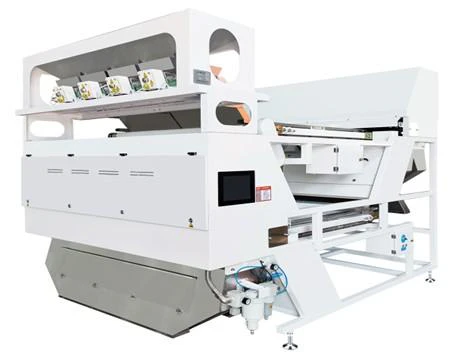
What Is a Belt-Type NIR Sorter?
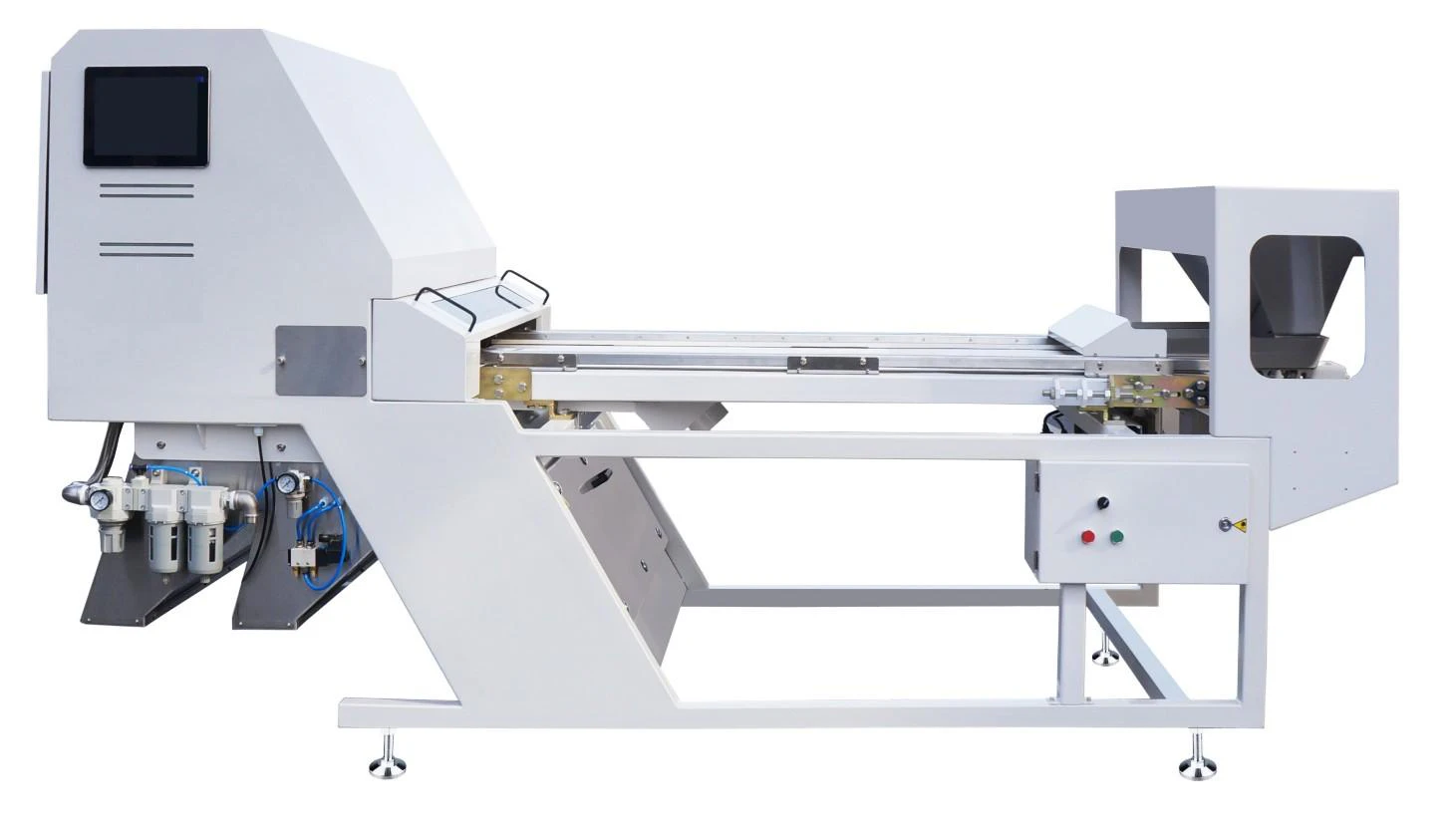
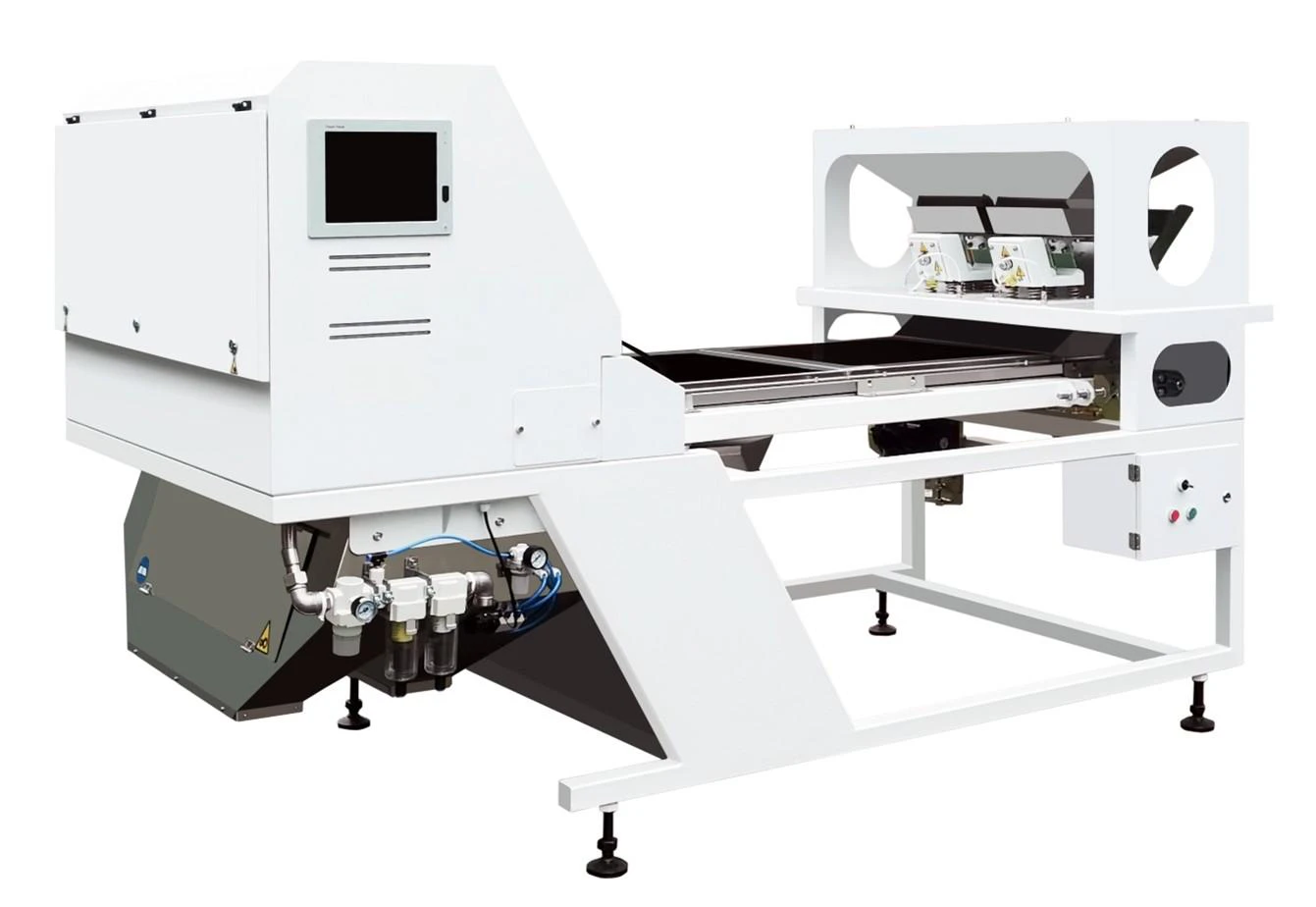
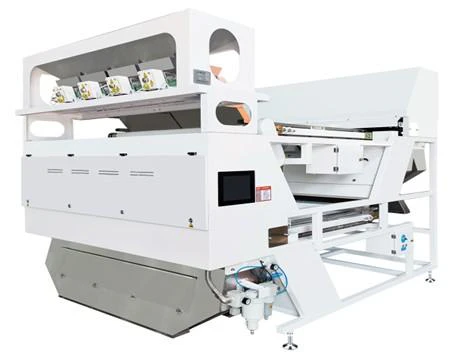
A belt-type NIR sorter is an industrial machine that identifies and separates plastics by analyzing the near-infrared light reflected from each object as it travels along a moving conveyor. Also known as a belt NIR sorting machine or a conveyor-based near-infrared sorter, this equipment sits at the heart of modern recycling and material recovery operations. It combines a mechanical transport platform, an optical sensing unit, a data processing system, and a bank of high-speed air valves into a single automated workflow. The purpose is simple to state but technically demanding to achieve: take a stream of mixed plastic material and split it into clean, well-defined fractions that meet the quality standards buyers expect.
The word "belt" in the name points to the defining feature of this machine, which is the wide rubber or polyurethane conveyor that carries material past the sensor. Objects rest flat on the belt surface and move at a controlled, predictable speed, giving the optical system a stable moment to read each piece. This arrangement distinguishes the machine from other sorting architectures and shapes almost every performance characteristic that follows, from throughput to accuracy to the shape of material it handles best. Because the belt keeps items in a fixed posture rather than tumbling freely, the detection module can build a reliable map of what is passing beneath it.
Understanding a belt-type NIR sorter means understanding the two entities that give it its name and function. The near-infrared spectroscopy component supplies the intelligence, reading the molecular fingerprint of each polymer. The conveyor platform supplies the discipline, presenting material in an orderly stream so that intelligence can be applied consistently. When these two work together, a plant can process large volumes of scrap while keeping contamination low, which is exactly what makes automated optical sorting so valuable to processors handling post-consumer and post-industrial plastic waste.
The Role of Near-Infrared Spectroscopy in Material Identification
Near-infrared spectroscopy is the sensing principle that allows the machine to tell one plastic from another without touching it. Every polymer is built from repeating chemical bonds, and those bonds absorb and reflect light at specific wavelengths in the near-infrared band, roughly between 700 and 2500 nanometers. When a lamp shines this light onto a plastic fragment, part of the energy is absorbed by the molecular structure and part is bounced back. The reflected portion carries a distinctive pattern, often called a spectral signature, that acts like a barcode for the material's chemistry. The sensor captures this pattern and passes it to the processing system for comparison against a library of known polymers.
This is how a belt-type NIR sorter distinguishes polyethylene terephthalate from high-density polyethylene, or polypropylene from polystyrene, even when the pieces look identical to the human eye. PET, HDPE, PP, PVC, PS, and ABS each produce a recognizably different near-infrared response because their molecular arrangements differ. The identification happens in milliseconds, which is essential when thousands of fragments cross the sensor every second. The precision of this reading depends on clean optics, stable lighting, and a well-trained material library, all of which the manufacturer tunes during commissioning so the machine can reliably assign each fragment to the correct polymer family.
It is worth noting that near-infrared spectroscopy reads chemistry rather than color, which is both a strength and a boundary. The strength is that a clear PET flake and a green PET flake register as the same polymer because their underlying chemistry matches. The boundary appears with materials that absorb rather than reflect near-infrared light, a topic addressed later when we look at the limitations around dark and carbon-black plastics. For the vast majority of common resins, however, spectral analysis delivers the accurate, repeatable material identification that automated sorting relies on.
Conveyor Belt vs. Free-Fall: Why the Belt Matters
The transport platform is not a minor detail. It determines how steadily material is presented to the sensor, and stable presentation is the foundation of accurate detection. On a belt-type machine, fragments lie flat and ride along at a fixed velocity, so the optical head always knows where an object is and how fast it is moving. This predictability lets the system calculate exactly when a given piece will reach the air nozzles at the discharge end. The result is precise ejection timing, cleaner separation, and fewer misfires, especially for items that are flat, film-like, or prone to rolling if left unsupported.
Contrast this with a free-fall or chute-type arrangement, where material slides down an inclined surface and is scanned in mid-air as it leaves the edge. That approach works extremely well for small, granular, uniform particles, but larger or awkwardly shaped objects can tumble, overlap, or change orientation during the drop, which complicates both detection and ejection. The belt platform sidesteps much of this by keeping every fragment settled and visible until the moment it needs to be sorted. This is the reason belt-type equipment is favored for bulky, sheet-like, or irregular streams.
By holding material in a consistent posture, the conveyor also gives the sensing system a longer and more reliable look at each object, which improves the confidence of the spectral reading. This connection between mechanical stability and optical accuracy explains why the choice between a belt and a chute is rarely just about preference. It is a decision driven by the physical nature of the material being processed, a theme that runs through the comparison sections further down this page.
How Does a Belt-Type NIR Sorter Sort Plastics?
The sorting process is a continuous chain of coordinated steps, each handing off to the next without pause. Material enters at one end, is spread into an even layer, travels beneath the optical sensor for scanning, gets analyzed against the polymer library, and is finally either ejected by a burst of air or allowed to fall into the default collection channel. What looks like a single smooth motion is in fact a tightly synchronized sequence in which timing errors of a few milliseconds can send a fragment to the wrong bin. Understanding each stage clarifies why the machine is built the way it is.
The overall workflow can be summarized as feeding, transport, scanning, spectral analysis, and ejection. Each stage depends on the one before it, so a weakness anywhere in the chain limits the performance of the whole system. A well-designed belt-type NIR sorter balances all of these functions, ensuring that material arrives evenly, moves steadily, is read accurately, and is separated cleanly. The sections below walk through the sequence in the order it actually happens on the production line.
Material Feeding and Belt Transport
Sorting quality begins long before the sensor sees anything, at the feeding stage. A vibrating feeder or metering conveyor accepts incoming scrap and spreads it into a thin, evenly distributed monolayer across the full width of the belt. This step matters enormously because overlapping or piled-up material hides fragments from the sensor and blocks the air nozzles from reaching their targets. Even distribution means every piece gets its own clear moment under the optical head, which directly raises detection accuracy and purity in the final fractions.
Once spread out, the material transfers onto the main conveyor belt, which carries it toward the sensing zone at a constant, calibrated speed. That constant speed is what allows the control system to predict the exact position of each fragment at any point in time. The belt width and belt speed together set the theoretical throughput of the machine, so larger operations often specify wider belts to move more tonnage per hour. Maintaining a steady, wrinkle-free belt surface is part of routine upkeep, since any disturbance to material posture at this stage propagates into detection and ejection errors downstream.
NIR Sensor Scanning and Spectral Analysis
As the belt carries material into the sensing zone, a near-infrared light source illuminates the stream and a line-scan sensor reads the reflected light across the entire belt width many times per second. Each scan captures the spectral signature of whatever sits at that position, building a continuous, high-resolution picture of the material flow. The sensor effectively divides the belt into a fine grid, recording a chemical reading for every cell in that grid. This is the moment when the physical world of plastic fragments becomes a stream of digital spectral data.
That data flows immediately into the processing system, where software compares each reading against the stored library of polymer signatures. Within milliseconds it decides whether a given point on the belt is PET, HDPE, PP, or some other resin, and whether that material belongs in the target fraction or should be left behind. The system also maps the precise location of each identified fragment so it knows which nozzles to fire and when. The speed and reliability of this analysis are what make real-time sorting possible at industrial volumes, turning raw spectral measurements into concrete sorting decisions on the fly.
Air Nozzle Ejection and Fraction Separation
The final stage converts decisions into physical separation. At the discharge end of the belt, a row of closely spaced high-speed air valves waits for the moment each targeted fragment leaves the belt edge. Using the position and timing data calculated during analysis, the control system fires a precise burst of compressed air at exactly the right nozzle and exactly the right instant, knocking the selected fragment onto a different trajectory. Pieces that are ejected land in one collection channel, while the remaining material continues along its natural path into another, producing two cleanly divided fractions.
The density of the air nozzles across the belt width determines how finely the machine can target individual objects. More nozzles packed into the same span means smaller, more precise bursts and better separation of tightly spaced fragments. This is why nozzle configuration is a key specification when matching a machine to a given material size. Together, the coordinated action of feeding, transport, scanning, analysis, and ejection allows a belt-type NIR sorter to transform a chaotic mixed stream into sorted output that meets consistent purity targets, all without manual picking.
What Plastics Can a Belt-Type NIR Sorter Detect?
A belt-type NIR sorter can identify the great majority of common thermoplastics used in packaging, containers, and durable goods. Because near-infrared spectroscopy reads the molecular structure of a material, it recognizes the resin family regardless of the object's color or shape. This makes the technology well suited to the mixed plastic streams that arrive at recycling plants, where the same load might contain bottles, trays, tubs, and film all made from different polymers. The machine sorts these into separate resin-specific fractions that processors can then sell or reprocess with confidence.
Setting aside specialized X-ray based systems, near-infrared sorting equipment generally comes in two architectures, the chute type and the belt type, and each suits a different physical profile of material. Flat, sheet-like, film-based, or easily rolling items are best handled on a belt because the conveyor keeps them stable and visible. Granular, small, and uniform particles are usually better suited to a chute, where free-fall scanning excels. This distinction, summarized in the comparison sections and specification tables further down, is one of the most important factors a buyer weighs when selecting equipment for a specific feedstock.
Detectable Polymer Types by Resin Code
The polymers a belt-type NIR sorter reads most reliably line up closely with the familiar resin identification codes. Polyethylene terephthalate, or PET, carrying resin code 1, is one of the most commonly sorted materials because of its dominance in beverage bottles and its high value in bottle-to-bottle recycling. High-density polyethylene, HDPE with code 2, is another staple, found in milk jugs and detergent containers. Polyvinyl chloride, PVC at code 3, is important to separate out precisely because its presence can contaminate other recycling streams, and near-infrared detection catches it cleanly.
Beyond these, the machine reliably distinguishes low-density polyethylene, polypropylene coded 5 and widely used in tubs and caps, polystyrene, and engineering plastics such as ABS. Each of these resins produces a distinct near-infrared signature, so the system can assign every fragment to the correct family and route it into a dedicated fraction. The exact set of polymers a given machine separates depends on how its material library and sorting recipes are configured, and reputable manufacturers allow these recipes to be adjusted or expanded as a plant's needs change. This flexibility lets a single machine serve several different sorting jobs over its working life.
Limitations: Black Plastics and Dark-Colored Materials
The main limitation of any near-infrared sorting system involves black and very dark-colored plastics, particularly those pigmented with carbon black. Carbon black is an inexpensive, widely used colorant, but it absorbs near-infrared light almost completely rather than reflecting it. When light does not bounce back to the sensor, there is no spectral signature to read, and the machine simply cannot see what polymer it is looking at. As a result, standard near-infrared sorting struggles to identify black plastic components, which then tend to end up in the residue rather than in a clean sorted fraction.
This is a physical limitation of the sensing principle, not a defect in a particular machine, so it affects both belt and chute architectures. The recycling industry has responded with several approaches, including alternative detection technologies and the growing use of detectable carbon-free black pigments that reflect enough near-infrared light to be recognized. When a plant's feedstock contains a large share of dark material, buyers should discuss this openly with suppliers and consider complementary technologies. Being clear about this boundary helps set realistic expectations and leads to a better-matched, more effective sorting solution overall.
Belt-Type NIR Sorting vs. Chute-Type NIR Sorting
Choosing between a belt-type and a chute-type NIR sorter comes down to how each presents material to the sensor and, by extension, which feedstocks each handles best. Both share the same core intelligence, near-infrared spectroscopy paired with air-nozzle ejection, but they differ in the mechanical stage that carries material through the scanning zone. That mechanical difference cascades into distinctions in stability, throughput, precision, and suitable material size, which is why the two are rarely interchangeable for a given application.
| Dimension | Belt-Type NIR Sorter | Chute-Type NIR Sorter |
|---|---|---|
| Material posture | Held flat and stable on the belt | Free-falling and self-orienting |
| Transport stability | High, fixed position and speed | Lower, subject to tumbling |
| Best material shape | Flat, film, sheet, irregular, rolling | Granular, flake, small, uniform |
| Typical particle size | Medium to large objects | Small to medium particles |
| Throughput profile | High volume across wide belts | High for fine, dense particles |
| Ejection precision | Precise for large or awkward items | Precise for small, even particles |
The table makes the pattern clear. A belt platform earns its place whenever material is bulky, flat, film-like, or otherwise inclined to move unpredictably in free fall, because the conveyor removes that unpredictability. A chute earns its place when material is small, dense, and uniform enough to fall in a clean, orderly curtain. Many large plants operate both types in sequence, using belt machines for coarse or sheet-heavy streams and chute machines for the finer flake fractions produced after shredding and washing.
Which Setup Fits Your Material Shape and Size
The most reliable way to choose is to start from the physical characteristics of your feedstock rather than from a preference for one architecture. If your incoming stream is dominated by whole containers, large rigid parts, flexible film, or sheet material, a belt-type machine will generally give you cleaner results because it keeps those awkward shapes stable and readable. If instead you are sorting washed flakes, pellets, or small granulated material that flows smoothly and evenly, a chute-type machine typically delivers better precision and throughput for that particle size.
Material size interacts with the ejection stage as well. Large objects need the confident, well-timed air bursts that a belt platform supports, while very small particles need the tightly packed nozzles and short free-fall path of a chute. In practice, a plant that processes several material grades may find that its line naturally calls for different equipment at different stages, coarse separation early and fine separation late. A supplier who understands both architectures can help map your specific material profile to the right configuration, which is far more valuable than defaulting to a single type for every job.
What Industries Use Belt-Type NIR Sorters?
Belt-type NIR sorters appear across the plastics recycling and waste processing landscape wherever mixed material must be separated into clean, marketable fractions. Dedicated plastic recycling plants use them to divide incoming bales into resin-specific streams, turning a jumble of containers and packaging into sorted PET, HDPE, and polyolefin outputs. In PET bottle-to-bottle recycling, where purity requirements are especially strict because the recovered material returns to food-grade packaging, belt machines help ensure that only genuine PET reaches the reprocessing stage, protecting the value and safety of the final product.
The technology also plays an important role in electronic waste processing, where plastics recovered from discarded devices must be separated from one another and from residual metals before they can be reused. Automotive dismantling operations rely on similar equipment to sort the varied plastics found in end-of-life vehicles, from bumpers to interior trim. Municipal material recovery facilities, often abbreviated MRFs, use belt-type sorters as part of larger sorting lines that pull recyclable plastics out of general household waste. Across all of these settings, the common thread is the need to convert heterogeneous, low-value mixed material into homogeneous, higher-value streams, and belt-type near-infrared sorting is one of the most effective ways to achieve that at industrial scale.
How to Choose the Right Belt-Type NIR Sorter
Selecting the right machine is a matter of matching equipment specifications to the realities of your material, your volume, and your existing plant. A sorter that is ideal for one operation may be poorly suited to another, so the goal is fit rather than simply chasing the highest headline numbers. The most useful starting point is a clear picture of what you are sorting, how much of it you handle, how pure the output must be, and how the machine will connect to the equipment already on your floor. The decision points below build directly on the material-shape and architecture discussions above.
A structured evaluation protects your investment and keeps expectations realistic. Buyers who define their requirements carefully, then test them against candidate machines and supplier references, consistently end up with equipment that performs as promised over years of service. The three considerations that follow, capacity, accuracy, and integration, cover the questions that most often determine whether a purchase succeeds. Discussing each of them openly with prospective suppliers also reveals a great deal about the depth of their expertise and the quality of their after-sales support.
Throughput and Belt Width Considerations
Throughput is usually the first specification buyers examine, and it is closely tied to belt width and belt speed. A wider belt moves more material past the sensor per pass, so plants processing high tonnage typically choose broader machines to keep pace with upstream feeding. It is important, though, to distinguish theoretical maximum throughput from realistic operating throughput, since running a machine at its absolute ceiling often reduces sorting purity as material begins to overlap and crowd the sensor. The right capacity leaves headroom so the machine can maintain quality at your normal working volume.
When evaluating throughput figures, ask suppliers to state them in the context of a specific material and target purity, because numbers quoted for light, bulky material can look very different from those for dense flake. Consider your peak volumes as well as your averages, and think about how the sorter's capacity aligns with the feeders, shredders, and conveyors around it. A machine that is dramatically faster or slower than its neighbors becomes a bottleneck or an underused expense. Matching belt width and throughput to the actual rhythm of your line is one of the most consequential choices in the whole selection process.
Detection Accuracy and Number of Sorting Fractions
Detection accuracy determines how pure your output fractions will be and how much valuable material you recover rather than lose to residue. Accuracy depends on sensor resolution, the quality of the material library, the density of the air nozzles, and the precision of the timing that links detection to ejection. When comparing machines, it helps to look past a single accuracy percentage and ask how that figure was measured, on what material, and at what throughput, because those conditions change the result substantially. A supplier confident in their equipment will explain these details rather than quoting a bare number.
The number of fractions a machine can produce in one pass also shapes your workflow. Some applications need only a simple two-way split, while others benefit from separating several resins or grades at once, which can reduce the number of passes and machines required. Nozzle density again matters here, since finer separation of small or tightly packed fragments demands more closely spaced valves. Think about not only your current sorting tasks but also those you may take on later, and favor equipment whose software and recipes can be updated to recognize new materials, so the machine keeps earning its place as your product mix evolves.
Integration with Existing Recycling Lines
A sorter rarely works in isolation, so how well it integrates with your existing recycling line is a decisive practical concern. The machine must connect physically to upstream feeding and downstream collection, matching belt heights, transfer points, and the flow direction of the equipment around it. Electrical supply, compressed air capacity for the ejection valves, and available floor space all need to align before installation, and overlooking any of them can turn a smooth commissioning into a costly retrofit. Sharing your existing line layout with suppliers early lets them confirm compatibility before you commit.
Beyond the physical connections, consider how the sorter's control system communicates with the rest of your plant, whether it can share data for monitoring and reporting, and how easily operators can adjust its settings. Software that supports remote diagnostics and future recipe upgrades extends the useful life of the machine and reduces downtime when material streams change. It is also worth weighing the supplier's installation support, operator training, and spare-parts availability, since these determine how quickly the equipment reaches full performance and how well it holds that performance over time. A machine chosen with integration in mind delivers value from the first shift rather than after months of adjustment.
FAQ
Can a belt-type NIR sorter detect black plastics?
Standard near-infrared sorters, including belt-type machines, generally cannot reliably detect carbon-black plastics because the pigment absorbs near-infrared light instead of reflecting it. Since the sensor works by reading the light bounced back from each fragment, a material that returns almost no signal offers nothing to analyze, and the machine cannot determine its polymer type. This is a limitation of the sensing physics rather than a fault in any specific model, and it applies equally to belt and chute architectures.
There are practical ways around it. Some plants adopt alternative detection technologies designed specifically for dark material, while parts of the packaging industry are shifting toward carbon-free black pigments that reflect enough near-infrared light to be recognized by standard sensors. If your feedstock contains a significant share of black or very dark plastic, raise this with suppliers early so they can propose a suitable combination of technologies rather than promising results the equipment cannot deliver on its own.
What is the difference between a belt-type and chute-type NIR sorter?
The core difference is how material is presented to the sensor: a belt-type sorter carries items flat and stable on a conveyor, while a chute-type sorter scans material as it free-falls down an inclined surface. Both use the same near-infrared spectroscopy and air-nozzle ejection, but this mechanical difference determines which feedstocks each handles best. The belt keeps objects in a fixed, readable posture, whereas the chute lets material fall in a curtain past the sensor.
In practice this means belt-type machines suit flat, film-like, bulky, or easily rolling items that would tumble unpredictably in free fall, while chute-type machines excel with small, dense, uniform particles such as washed flakes and pellets. Many facilities use both, applying belt sorters to coarse or sheet-heavy streams early in the line and chute sorters to fine flake fractions later. Choosing between them should start from the shape and size of your material rather than a general preference.
How accurate is NIR sorting for mixed plastic waste?
Well-configured near-infrared sorting commonly achieves high purity in the sorted output for the common resins it is designed to read, though the exact figure depends heavily on material condition, throughput, and machine setup. Clean, well-separated, single-layer material scanned at a sensible speed yields the best results, because every fragment gets a clear reading and enough time for precise ejection. Accuracy claims should always be understood in the context of the specific material and operating conditions under which they were measured.
Several factors influence the outcome, including sensor resolution, the quality of the polymer library, nozzle density, and the presence of hard-to-read materials such as carbon-black plastics. Overloading the belt, allowing pieces to overlap, or running above the practical throughput ceiling all reduce purity. When evaluating a machine, ask suppliers to demonstrate accuracy on material that resembles your own feedstock, since that real-world test tells you far more than a headline percentage measured under ideal laboratory conditions.
What throughput can a belt-type NIR sorter handle?
Throughput varies widely with belt width, belt speed, and material type, so a belt-type sorter's capacity should always be assessed for your specific feedstock rather than from a single universal number. Wider, faster belts move more material per hour, which is why high-volume plants choose broader machines. The same machine can post very different figures for light, bulky material versus dense flake, because capacity is about how much the sensor and nozzles can process while maintaining the purity you require.
The practical operating throughput is usually lower than the theoretical maximum, because pushing a machine to its absolute limit causes material to crowd and overlap, which degrades sorting quality. It is wise to size a machine with some headroom above your normal volume so it holds accuracy during peaks. When comparing options, ask for throughput figures tied to a defined material and a target purity level, and check that the machine's capacity aligns with the feeders and conveyors around it to avoid creating a bottleneck.
Can it be integrated into an existing recycling line?
Yes, belt-type NIR sorters are routinely integrated into existing recycling lines, provided the physical, electrical, and control connections are matched during planning. The machine needs to align with upstream feeding and downstream collection in terms of belt height, transfer points, and flow direction, and it requires adequate electrical supply, compressed air for the ejection valves, and sufficient floor space. Confirming these details before purchase turns installation into a straightforward step rather than a difficult retrofit.
Integration also extends to how the sorter communicates with the rest of the plant. Control systems that share monitoring data, support remote diagnostics, and allow recipe updates make the machine easier to operate and adapt as your material streams change. Sharing your current line layout with suppliers early lets them verify compatibility and recommend the right configuration, and factoring in their installation support, operator training, and spare-parts availability helps the equipment reach full performance quickly and hold it over time.