Types of NIR Sorter
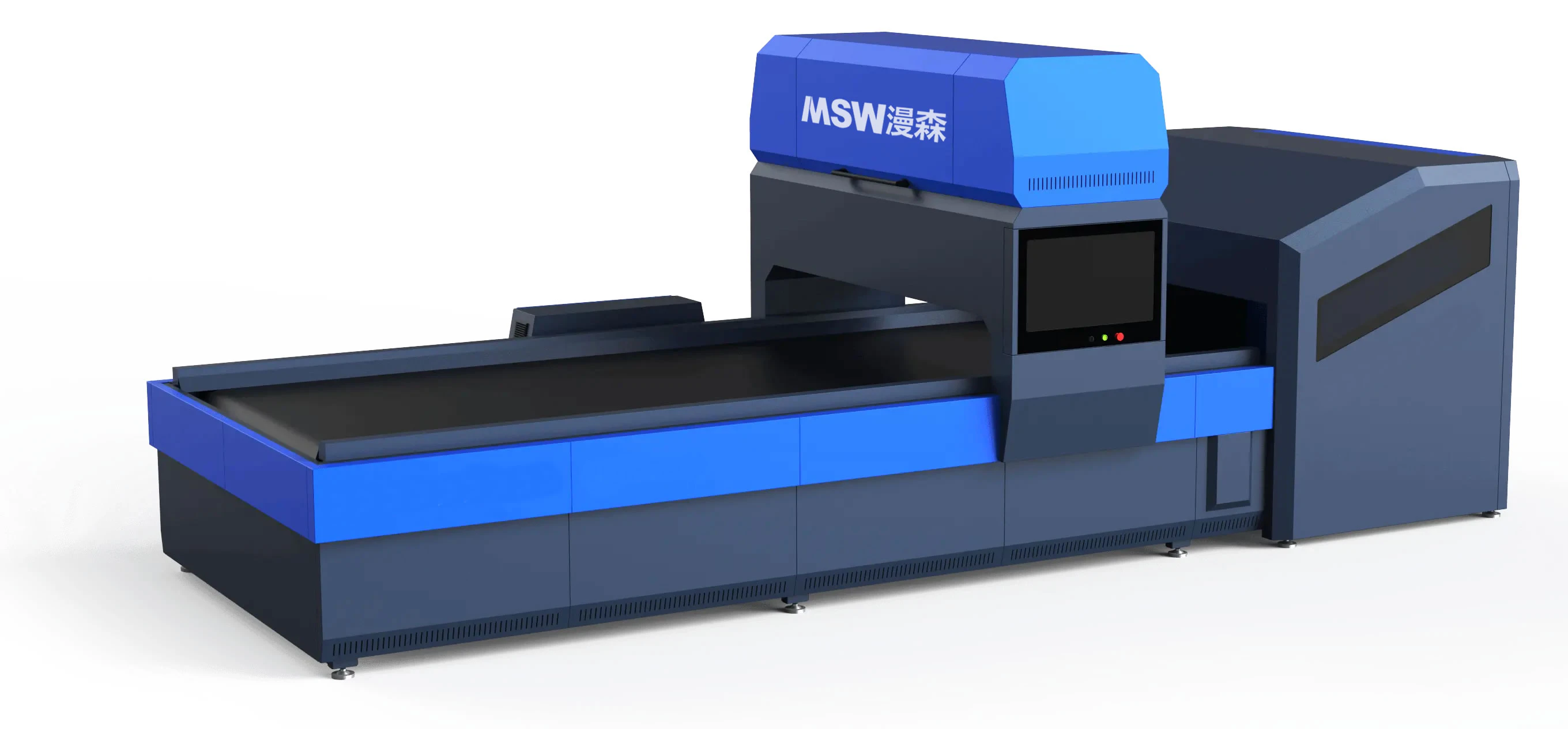
What Is a NIR Sorter?
A Near-Infrared (NIR) sorter represents a sophisticated leap in plastic recycling technology, functioning as an advanced optical sorting machine that leverages near-infrared light spectroscopy to identify and separate various types of plastics based on their unique chemical composition. Known in the industry as a plastic NIR sorting machine or a polymer identification sorter, this equipment analyzes how different materials reflect or absorb NIR light, allowing it to distinguish between common polymers such as PET, HDPE, PP, and PS with remarkable precision. The core system architecture includes a high-speed conveyor belt, specialized NIR sensors, a powerful computer processing unit, and an array of precisely controlled air ejection nozzles. As plastics move along the conveyor and pass beneath the sensor, the system identifies each fragment by comparing its spectral signature against a pre-programmed library, then activates the appropriate nozzles to blow targeted items into the correct discharge chute. This process happens in milliseconds, enabling continuous, high-throughput sorting without human intervention. The technology is particularly valuable because it relies on molecular-level identification rather than superficial characteristics like color or shape, making it far more reliable for creating pure polymer streams. For example, while a human sorter might struggle to distinguish between a clear PET bottle and a clear PP bottle, an NIR sorter can instantly differentiate them based on their unique absorption patterns in the near-infrared spectrum. This capability is revolutionizing plastic recycling facilities by dramatically increasing both the purity and the volume of recovered materials, while reducing labor costs and improving workplace safety.
How Does a NIR Sorter Sort Plastics?
The operational workflow of an NIR sorter is designed for maximum efficiency and accuracy, beginning with the material feeding stage where shredded or granulated plastic flakes are evenly spread onto a high-speed conveyor belt using a vibrating feeder. This even distribution is critical because it ensures that each fragment passes individually under the sensor array, preventing overlapping materials that could confuse the identification system. As the material moves past an NIR camera array at speeds reaching up to 3.5 meters per second, the sensor emits near-infrared light and captures the reflected spectra from each particle. Each polymer type such as PET versus PVC produces a distinct absorption pattern, much like a fingerprint, allowing the system to make split-second identifications. The computer then analyzes this spectral data in mere milliseconds, comparing it against a pre-loaded library of plastic polymer signatures to determine whether each fragment belongs to the target material or should be rejected as contamination. Following this analysis, a series of precisely timed high-pressure air jets fire to deflect targeted plastics such as contaminants or undesirable polymers into a rejection chute, while accepted materials continue their journey to the product chute for collection. Many modern systems also integrate a final camera to verify sorting results and adjust parameters in real time, creating a closed-loop quality control system that continuously optimizes performance. This automated workflow eliminates the variability and fatigue associated with manual sorting, allowing facilities to process enormous volumes of mixed plastics with consistent results around the clock. The entire process from feeding to ejection happens in less than a second, demonstrating how advanced optics and computing have transformed what was once a labor-intensive manual operation into a seamless industrial process.
What Plastics Can a NIR Sorter Detect?
A NIR sorter is specifically engineered to handle a wide range of post-consumer and post-industrial polymers, making it an indispensable tool for modern recycling operations. Among the detectable plastics are PET (polyethylene terephthalate), commonly found in beverage bottles and food containers; HDPE (high-density polyethylene), used in milk jugs and detergent bottles; PP (polypropylene), frequently used for caps, containers, and automotive parts; PS (polystyrene), found in disposable cups and packaging foam; PVC (polyvinyl chloride), which is a common contaminant in recycling streams; and LDPE (low-density polyethylene), used in plastic bags and film packaging. Each of these polymers has a unique spectral fingerprint that the NIR system can identify with high accuracy, allowing for precise separation even when materials appear identical to the human eye. However, certain plastics pose significant challenges for NIR technology. Black plastics are particularly problematic because carbon black pigment absorbs NIR light almost completely, making spectral identification impossible with standard equipment. This is a growing concern as black plastic packaging becomes more common in consumer goods. Additionally, multi-layer laminates with thin metal coatings or dark colors, such as food pouches with foil layers, cannot be reliably sorted by conventional NIR systems because the metal reflects or scatters the NIR light in unpredictable ways. Some newer systems attempt to address these limitations through custom calibrations and advanced algorithms, but standard NIR technology remains ineffective for opaque black or metallized films. Understanding these detection limitations is crucial for recycling facility managers who must design their sorting lines to accommodate the specific types of plastics in their incoming material stream, often by incorporating complementary technologies like X-Ray sorting or manual sorting stations to handle the materials that NIR cannot process effectively.
NIR Sorter Specifications
Understanding the technical specifications of an NIR sorter is essential for selecting the right equipment for your recycling operation, as these parameters directly impact throughput, efficiency, and overall return on investment. Standard models typically offer throughput capacities ranging from 1,500 to 3,000 kilograms per hour, with sorting widths of 1,200 millimeters, making them suitable for medium-sized recycling facilities or as dedicated units within larger operations. These machines generally feature between 2 and 4 pneumatic valve channels and can achieve sorting purity of 98% or higher in a single pass, while consuming 10 to 15 kilowatts of power during operation. For larger industrial operations requiring higher volumes, high-capacity models can process between 5,000 and 8,000 kilograms per hour, utilizing sorting widths of 2,400 millimeters and 4 to 8 pneumatic valve channels. These larger units achieve even greater purity levels, often exceeding 99% in a single pass, but they require 20 to 30 kilowatts of power to operate. The relationship between sorting width and throughput is direct: wider belts allow more material to be processed simultaneously, but they also require more powerful air ejection systems and more sophisticated sensor arrays to maintain accuracy across the entire width. Power consumption figures are important for calculating operational costs, especially in facilities running multiple sorting lines around the clock. Additionally, the number of pneumatic valve channels influences the granularity of sorting: more channels allow for finer separation, enabling facilities to sort multiple polymer types simultaneously rather than just accepting or rejecting a single target material. These specifications should be carefully matched to your specific material composition and desired output quality, as oversizing a machine wastes energy and capital while undersizing creates bottlenecks that limit overall plant capacity.
NIR Sorting vs. Other Sorting Methods
When evaluating sorting technologies for a plastic recycling operation, understanding the fundamental differences between NIR sorting and alternative methods is crucial for designing an efficient and cost-effective system. NIR sorting detects materials based on their chemical composition, identifying specific polymers by their unique spectral response to near-infrared light, making it the gold standard for mixed polymer plastic streams where purity is paramount. In contrast, X-Ray sorting operates on material density differences, which makes it exceptionally effective at identifying heavy metals, PVC, and glass contaminants within plastic streams, but it cannot distinguish between different plastic polymers of similar density. Color sorters, also known as RGB sorters, work purely on visible color and shape characteristics, making them useful for mono-polymer color blends but completely incapable of differentiating between different polymer types that share the same color. For example, a color sorter cannot tell the difference between a green PET bottle and a green PP bottle, while an NIR sorter can make this distinction instantly. Each technology has specific limitations: NIR sorters cannot detect black plastics or metals, X-Ray sorters struggle with transparent plastics of the same color, and color sorters cannot identify polymer types at all. Typical purity levels reflect these differences, with NIR sorting achieving 98 to 99% purity, X-Ray sorting reaching 95 to 99%, and color sorters typically managing 90 to 97% purity. The best use cases for each technology are clear: NIR excels in post-consumer mixed plastic recycling where multiple polymer types need separation, X-Ray is ideal for electronic waste or black plastic removal where density differences provide clear separation criteria, and color sorters are most effective for final upgrade stages when processing clear flake that is already mono-polymer but has color variations. Many advanced recycling facilities integrate multiple technologies in series, using NIR for primary polymer separation followed by color sorting for final purity enhancement, creating a comprehensive system that addresses the limitations of each individual technology.
What Industries Use NIR Sorters?
NIR sorters have found widespread adoption across numerous industries involved in material recovery and waste management, with plastic recycling plants representing the largest and most prominent application segment. These facilities use NIR technology to separate post-consumer bottles, containers, and packaging into high-purity single-polymer streams that can be sold as valuable feedstock for reprocessing into new products, effectively closing the loop in the circular economy. Waste-to-energy facilities have also integrated NIR sorters into their operations to remove recyclable plastics before incineration, which not only improves the heat value of the remaining waste by removing low-energy materials but also significantly reduces dioxin emissions that can result from burning certain plastics. Municipal solid waste sorting operations, commonly found in material recovery facilities, rely on NIR technology to recover high-value plastics from mixed waste streams, diverting these materials from landfills and generating revenue from the sale of sorted polymers. Electronic waste recyclers have discovered that NIR sorters are invaluable for identifying and sorting plastic components from shredded electronics, particularly for recovering valuable polymers like ABS and HIPS from the complex mixture of materials found in discarded computers, phones, and appliances. Chemical recycling plants represent a growing market for NIR sorters, as these facilities require consistent feedstock purity for processes like pyrolysis and depolymerization, where even small amounts of incompatible polymers can disrupt chemical reactions or reduce product quality. Automotive shredding plants have also adopted NIR technology to recover polypropylene and other plastics from vehicle interior components, enabling automakers to meet increasingly stringent recycled content requirements while reducing the environmental impact of vehicle disposal. The versatility of NIR sorting across these diverse applications demonstrates its fundamental value as a core technology for any operation that needs to separate mixed plastics into pure, marketable streams for recycling or reprocessing.
How to Choose the Right NIR Sorter
Selecting the correct NIR sorter for your facility requires careful evaluation of multiple operational factors to ensure the equipment matches your specific material processing needs and business objectives. The first and most critical consideration is material composition: you must thoroughly analyze your feed stock to determine whether you are sorting bottles, flakes, or mixed rigid plastics, and ensure that the machine's spectral library covers all the target polymers you need to separate. If your feed contains significant amounts of black plastics, you may need to consider hybrid NIR combined with X-Ray systems or explore emerging technologies like hyperspectral imaging that can sometimes penetrate carbon black pigments with special calibration. Required throughput is another essential factor, as you must align your desired hourly output with the machine's sorting width and conveyor speed; selecting a unit that is oversized for your needs wastes energy and capital, while an undersized machine creates bottlenecks that limit your entire plant's capacity. The purity level you need to achieve directly influences your equipment choice, as applications requiring more than 99.5% purity, such as food-grade PET recycling for new bottle production, may necessitate a two-pass NIR system or integration with a color sorter to achieve the necessary quality. Physical footprint and integration requirements should not be overlooked, as you must measure available floor space and consider how the NIR sorter will fit into your existing conveyor lines; single-lane compact models can be integrated into existing layouts more easily, while larger units may require dedicated platforms and additional material handling equipment. Detection limitations must be honestly assessed, particularly whether your feed contains black or dark plastics that standard NIR systems cannot identify; if this is the case, you may need to upgrade to a high-sensitivity NIR sensor with special calibration or use a complementary technology such as X-Ray sorting. Maintenance and service considerations include evaluating the ease of cleaning sensor lenses and nozzle air filters, as well as confirming that your chosen supplier offers local technical support and readily available spare parts. Finally, budget constraints must be weighed against the return on investment from material value uplift; entry-level 1.2-meter width units typically start around $80,000, while dual-lane premium models can exceed $300,000, so careful financial analysis is necessary to ensure the equipment pays for itself through increased material purity and higher sales prices for your sorted polymers.
FAQ
What plastics can NIR sorters not identify?
NIR sorters cannot identify opaque black plastics because carbon black pigment absorbs near-infrared light completely, preventing the sensor from capturing any useful spectral data from these materials. This is a significant limitation because black plastic is commonly used in food containers, electronic housings, and automotive components, and its presence in recycling streams can drastically reduce the purity of sorted polymers if not addressed through alternative methods. Beyond black plastics, NIR sorters also struggle with foil-laminated pouches, metallized films, and complex multi-layer materials where metal layers reflect or scatter NIR light in ways that obscure the polymer signature underneath. Transparent or white plastics work best with NIR technology because they allow maximum light penetration and reflection, producing clear spectral signatures that the system can identify with high confidence. For facilities that must handle black plastic, several approaches exist, including combining NIR with X-Ray sorting, which can identify materials based on density rather than spectral response, or using hyperspectral NIR with special calibration, though even these advanced systems have limitations and cannot reliably sort all types of black plastic. Understanding these detection gaps is essential for designing a comprehensive sorting system that can handle the full range of materials entering your facility, whether through pre-sorting to remove black plastics before NIR processing or through post-sorting quality control steps to catch any missed materials.
How accurate is a NIR plastic sorter?
Typical single-pass accuracy for a well-tuned NIR plastic sorter reaches 98 to 99 percent purity for standard polymer separation tasks involving PET, HDPE, and PP, making these machines highly reliable for most commercial recycling applications. However, the actual accuracy achieved in any given installation depends on several factors, including the cleanliness of the feed material, the consistency of belt speed, the quality of sensor calibration, and the complexity of the polymer mixture being processed. For applications requiring ultra-high purity above 99.5 percent, such as when producing food-grade PET for direct bottle-to-bottle recycling, a second NIR pass or integration with a color sorter is typically recommended to remove remaining contaminants that may have been missed in the first pass. Impurities that survive a single pass often come from small carbon black particles that absorb NIR light, unprocessed large lumps that confuse the identification algorithm, or materials with unusual surface conditions that distort spectral readings. Regular maintenance and calibration are essential for maintaining accuracy, as dirty sensor lenses or misaligned ejection nozzles can cause gradual degradation in sorting performance. Many modern NIR sorters include self-diagnostic features that alert operators when accuracy drops below acceptable thresholds, allowing for proactive maintenance rather than reactive troubleshooting. By understanding the factors that influence accuracy and implementing proper quality control procedures, recycling facilities can achieve consistently high purity levels that meet the demanding specifications of end customers in the plastics industry.
Can a NIR sorter handle wet or dirty plastics?
Yes, NIR sorters perform well with wet, dirty, or slightly contaminated plastics because NIR light can penetrate thin water films and organic residue that might confuse other sensing technologies. Unlike visible-light sorters that rely on surface color and can be misled by moisture or dirt, NIR technology looks at molecular absorption patterns that are relatively unaffected by surface conditions, making it remarkably robust in real-world recycling environments where materials are rarely perfectly clean. However, heavy soil, sticky labels, or thick layers of organic contamination can cause false rejections by altering the spectral signature enough to confuse the identification system, though this is relatively uncommon with properly maintained equipment. Pre-washing of materials before NIR sorting can improve accuracy and reduce false rejections, but it is not mandatory for initial bulk sorting operations, especially when the goal is to separate gross fractions of different polymer types rather than achieve pharmaceutical-grade purity. This tolerance for moisture is particularly valuable in facilities that process post-consumer recyclables, where materials may have been exposed to rain during collection or storage, or where residual liquids from beverage containers still coat the plastic surfaces. The ability to handle dirty materials without requiring expensive and energy-intensive pre-cleaning steps is one of the key economic advantages of NIR sorting compared to alternative technologies, allowing facilities to achieve high throughput with lower operational costs while still producing saleable polymer fractions.
What is the typical lifespan of a NIR sorting machine?
A well-maintained NIR sorter typically operates for 10 to 15 years before major components begin to show signs of wear or technological obsolescence, making it a long-term capital investment for recycling facilities. Key parts like sensor lamps in older models last 2 to 5 years and may require periodic replacement, while air valves and conveyor belts generally need replacement every 3 to 5 years depending on operating hours and material abrasiveness. Modern LED-based NIR sensors have significantly longer operational lifespans than traditional lamp-based systems, often lasting the entire lifetime of the machine without bulb changes, which reduces maintenance costs and downtime. Regular cleaning of optics and electronic components is essential for extending the machine's lifespan, as dust accumulation on sensor windows or inside electrical cabinets can cause overheating and premature component failure. The mechanical parts of the conveyor system, including bearings, belts, and drive motors, are typically designed for industrial service and can last 10 years or more with proper lubrication and preventive maintenance schedules. The pneumatic ejection system, which includes high-speed valves and air lines, is another area requiring regular attention, as wear from millions of actuation cycles can eventually degrade performance. When selecting an NIR sorter, consider the availability of spare parts and technical support from the manufacturer, as machines from companies with strong local service networks tend to have longer effective lifespans due to easier maintenance and repair. With proper care and planned component replacements, many NIR sorters continue operating productively well beyond their initial design life, providing excellent return on investment for facilities that prioritize maintenance and keep pace with software updates that improve sorting accuracy over time.