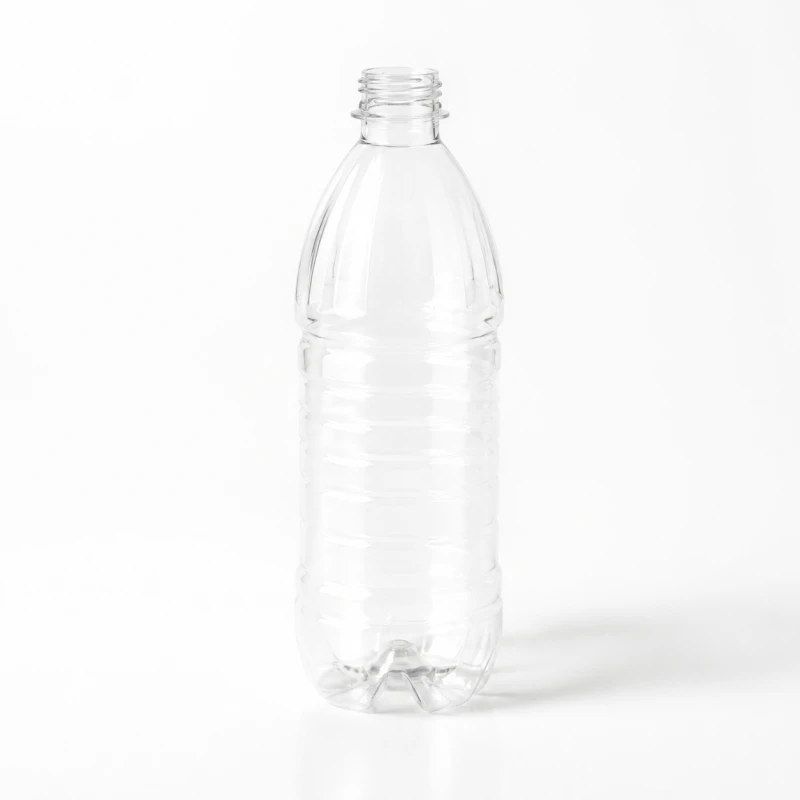
Optical PET Bottle Sorting Solution
Optical PET bottle sorting is an automated plastic recycling solution designed to identify, classify, and separate PET bottles according to their color, material characteristics, and visible condition. By combining optical cameras, intelligent image processing, and suitable material identification technologies, the system helps recycling facilities process mixed bottle streams and prepare more consistent feedstock for downstream recycling.
Collected plastic bottles often contain a mixture of clear, light blue, green, brown, and other colored bottles. The incoming stream may also include HDPE containers, PVC bottles, labels, caps, non-target packaging, and other unwanted items. When these materials enter the same recycling process without appropriate separation, they can affect the quality and consistency of the recovered plastic.
An optical PET bottle sorting solution helps address these challenges through automated inspection and targeted separation. Depending on the application, the system can be configured for clear PET recovery, colored PET classification, separation of identifiable non-PET containers, or the removal of selected unwanted items. The appropriate configuration depends on the incoming bottle composition, required output categories, processing capacity, and downstream recycling requirements.
What Challenges Does Optical PET Bottle Sorting Solve?
PET bottle recycling begins with the separation of suitable bottles from mixed post-consumer or commercial packaging streams. Manual sorting can be labor-intensive and may produce inconsistent results when bottle volumes are high or the incoming material contains many different colors, shapes, and packaging types. Optical sorting provides an automated inspection process that can help improve consistency and reduce dependence on manual identification.
| Sorting Challenge | Potential Impact | How the Solution Helps |
|---|---|---|
| Mixed bottle colors | Clear PET bottles may be mixed with green, blue, brown, or other colored bottles, affecting output consistency. | Optical color recognition separates bottles into configured color categories. |
| Mixed plastic containers | HDPE, PVC, and other non-target containers may enter the PET recycling stream. | Material identification technology can be incorporated where polymer separation is required and the materials are detectable. |
| Unwanted packaging items | Non-target packaging and other visible objects can increase downstream sorting and processing requirements. | Configured optical inspection can remove selected unwanted objects that meet the system's detection criteria. |
| Variable bottle appearance | Differences in shape, transparency, labels, and surface condition can complicate visual classification. | Suitable imaging, controlled feeding, and application-specific recognition settings help improve inspection consistency. |
| High-volume processing | Manual identification becomes more demanding as bottle throughput increases. | Automated detection and separation support continuous processing when the system is properly sized. |
Separating Clear PET Bottles from Colored Bottles
Clear PET bottles are often collected separately because their color characteristics can make them suitable for specific recycling applications. Green, blue, brown, and mixed-color bottles may need to be directed into separate streams according to the recycler's product specifications.
Optical color sorting evaluates the visible appearance of each bottle and separates it according to configured color criteria. Depending on the required output, the system may be configured to recover clear PET bottles, classify colored PET bottles, or divide the feed into several color categories.
Bottle transparency, label coverage, lighting conditions, and overlapping materials can influence color recognition. Representative material testing helps determine whether the proposed optical configuration can achieve the required classification results.
Removing Non-PET Containers from the PET Stream
Mixed collection streams may contain HDPE detergent bottles, household chemical containers, PVC packaging, and other plastic products that are not intended for the target PET output. These containers can be difficult to distinguish from PET through color alone, especially when different polymers share similar colors or shapes.
When polymer identification is required, optical color sorting may be combined with NIR or another suitable material identification technology. This allows the sorting process to evaluate material characteristics in addition to visible appearance. The actual capability depends on the sensing technology, container condition, material presentation, and target polymer types.
Managing Labels, Caps, and Other Packaging Components
PET bottles may arrive with paper or plastic labels, attached caps, sleeves, and other packaging components. Some items can be removed during pre-processing, while others may remain attached when the bottles enter the sorting line.
The effect of these components depends on the sorting objective and system configuration. For example, a color sorter may classify a bottle according to its visible appearance, while polymer identification requires sufficient detectable material information. If labels or sleeves cover a large portion of the bottle surface, the detection method and inspection arrangement must be evaluated carefully.
Maintaining Consistent Bottle Sorting Performance
Incoming bottle streams vary in volume, shape, color distribution, label coverage, and contamination level. Bottles that overlap or travel in an uncontrolled flow may not be inspected consistently, even when the optical recognition system is suitable for the application.
Effective feeding, appropriate conveyor speed, suitable lighting, and correct system calibration are important parts of the overall solution. The equipment should be configured around the actual bottle stream rather than relying on sensor technology alone.
How Does an Optical PET Bottle Sorting Solution Work?
An optical PET bottle sorting line combines material feeding, image acquisition, intelligent classification, and automated separation. Bottles are presented to the inspection system, evaluated according to the configured sorting criteria, and directed into accepted or rejected streams.
| Process Stage | Main Operation | Purpose |
|---|---|---|
| Feed Preparation | Remove unsuitable oversized items and prepare bottles for controlled inspection. | Creates a more consistent input stream for sorting. |
| Bottle Distribution | Conveyors or feeding equipment arrange bottles within the inspection area. | Improves the visibility and presentation of individual bottles. |
| Optical Inspection | Cameras capture visible characteristics, with additional sensors used when required. | Collects information for color, appearance, or material classification. |
| Intelligent Classification | Image processing and configured recognition rules classify detected bottles. | Determines which bottles match the target sorting criteria. |
| Automatic Separation | A suitable mechanical, pneumatic, or robotic mechanism directs selected bottles into designated outlets. | Separates target bottles from unwanted categories. |
| Output Verification | Operators inspect output samples and adjust sorting parameters where necessary. | Checks whether the output meets the required sorting specifications. |
Step 1: Prepare the Incoming Bottle Stream
Before optical inspection, the incoming material should be assessed for bottle size, shape, contamination, and distribution. Depending on the collection stream, pre-sorting equipment may be used to remove bulky objects or items that are unsuitable for the target sorting process.
The preparation stage should also consider whether bottles arrive loose, flattened, partially crushed, or mixed with other packaging. The physical condition of the bottles affects how they can be presented to the sensors and how reliably the separation mechanism can act on individual items.
Step 2: Distribute Bottles for Inspection
Bottles are conveyed through the inspection area at a controlled speed. Appropriate spacing and material distribution help reduce overlapping objects and provide the optical system with a clearer view of each bottle.
The feeding configuration should match the dimensions and throughput of the incoming bottles. Irregular bottle orientation, dense material flow, and excessive overlap may reduce the opportunity for accurate classification and separation.
Step 3: Capture Optical Information
High-resolution cameras capture visible characteristics such as color, shape, and surface appearance. The system uses these images to evaluate whether a bottle belongs to a configured category, such as clear PET, green PET, blue PET, or another defined group.
When color and appearance are insufficient to distinguish the target materials, an additional material identification technology may be required. NIR sensors can be considered for suitable polymer identification applications, while other sensing methods may be needed for materials that are difficult to detect with standard optical technology.
Step 4: Classify Bottles According to Sorting Criteria
The processing system analyzes the collected information and compares it with the configured sorting rules. Depending on the application, classification may focus on visible color, bottle appearance, detectable polymer type, or a combination of criteria supported by the installed equipment.
The sorting program should be configured around the intended output categories. For example, a facility producing clear PET feedstock will require different classification settings from a facility separating several colored bottle streams.
Step 5: Separate Target and Non-Target Bottles
After classification, the control system coordinates the separation mechanism to direct selected bottles toward the appropriate output. Depending on the equipment design, separation may use pneumatic ejection, mechanical diversion, robotic handling, or another suitable mechanism.
Because whole bottles are larger and more irregular than flakes, the separation mechanism must be suitable for the size, shape, weight, and movement of the incoming objects. Correct synchronization between detection and separation is essential for maintaining sorting consistency.
Step 6: Verify Output Quality
Output samples should be checked to confirm that the sorted bottles match the required categories. The assessment may include color consistency, polymer composition, residual non-target items, and the proportion of target bottles incorrectly rejected.
When output quality falls outside the required range, the feeding conditions, inspection settings, and separation parameters should be reviewed. Representative testing provides a more reliable basis for optimizing the system than relying on theoretical sensor capability alone.
Suitable Feed Materials and Target Sorting Categories
Optical PET bottle sorting can be configured for different incoming bottle streams and output requirements. The available sorting categories depend on the optical system, material identification options, physical presentation of the bottles, and the required separation accuracy.
| Material or Category | Typical Characteristics | Sorting Consideration |
|---|---|---|
| Clear PET bottles | Transparent or lightly tinted bottles commonly collected for PET recycling. | Optical color classification can help recover the specified clear or light-color category. |
| Green PET bottles | Green bottles from beverage and packaging streams. | Can be separated into a dedicated color stream when the optical system supports the required classification. |
| Blue PET bottles | Blue or light-blue bottles that may need to be separated from clear and green PET. | Color recognition settings should be validated against the actual bottle colors and lighting conditions. |
| Brown and mixed-color bottles | Colored packaging with different shades and appearances. | May require dedicated output categories or classification as non-target material, depending on the application. |
| HDPE containers | Rigid containers commonly used for detergents, household products, and other packaging. | Polymer identification may be required because color alone does not reliably distinguish HDPE from PET. |
| PVC containers | Non-target containers that may enter mixed plastic collection streams. | Suitable material identification technology and representative testing are important for confirming separation capability. |
| Other unwanted packaging | Non-target packages or objects with colors, shapes, and materials different from the target stream. | Removal depends on the system's inspection capability and the configured rejection criteria. |
Choosing the Right Optical PET Bottle Sorting Configuration
The best sorting configuration depends on whether the primary objective is color separation, polymer identification, removal of unwanted containers, or a combination of these requirements. Defining the target output categories before equipment selection helps determine which sensors and separation mechanisms are necessary.
| Processing Objective | Potential Configuration | Key Consideration |
|---|---|---|
| Clear PET recovery | Optical color sorting configured to separate the target clear-bottle category. | Assess bottle transparency, tint, label coverage, and the definition of acceptable color. |
| Multiple color separation | A sorting arrangement configured for the required clear, green, blue, or other color streams. | Confirm the number of output categories and the required color consistency. |
| PET and non-PET separation | Optical inspection combined with suitable polymer identification technology where required. | Determine whether the target polymers can be reliably identified in the actual bottle stream. |
| Removal of unwanted containers | Configured object recognition and a suitable mechanical or pneumatic separation mechanism. | Check object size, shape, spacing, and the types of unwanted materials. |
| High-volume bottle processing | A line layout matched to the required throughput and incoming bottle distribution. | Evaluate feeding stability, inspection coverage, separation timing, and output handling. |
Define the Required Output Categories
The first step is to determine exactly which bottle categories need to be recovered. A facility may require only clear PET separation, while another may need clear, green, and blue bottles delivered to separate downstream processes.
The number of output streams affects the system arrangement, control logic, and material handling design. Clear category definitions also make it easier to test sorting accuracy and assess whether the final output meets commercial requirements.
Evaluate Bottle Condition and Label Coverage
Whole bottles present different inspection challenges from washed flakes. Labels, sleeves, liquid residues, crushing, and unusual bottle shapes may obscure visible surfaces or affect how the material moves through the inspection area.
The proposed equipment should be tested with representative bottles that reflect the actual collection stream. This helps identify whether pre-sorting, improved material presentation, or an additional identification technology is necessary.
Match Throughput to the Feed System
The required processing capacity should be considered together with bottle dimensions, spacing, orientation, and the proportion of non-target items. Increasing the feed rate without maintaining suitable material presentation can reduce inspection opportunities and affect separation results.
A complete assessment should therefore consider the capacity of the feeding equipment, inspection system, separation mechanism, and downstream conveying arrangement as a connected process.
Consider Integration with Downstream Recycling
Optical PET bottle sorting is often one stage within a larger recycling line. Depending on the plant design, sorted bottles may proceed to manual quality control, label and cap removal, crushing, washing, flake sorting, and further recycling operations.
The line should be designed so that accepted bottles and rejected materials remain separated and can be directed to the appropriate downstream process. This reduces unnecessary material mixing and makes output quality easier to monitor.
Benefits of Optical PET Bottle Sorting
When correctly matched to the incoming material and the required output specifications, optical PET bottle sorting can help recycling facilities automate bottle classification, improve consistency, and manage mixed collection streams more efficiently.
| Potential Benefit | Value for Recycling Operations |
|---|---|
| Automated color classification | Helps separate clear and colored PET bottles according to configured visual criteria. |
| Improved material consistency | Supports the production of more consistent bottle streams for downstream processing. |
| Reduced manual inspection demand | Automates selected classification tasks and can reduce dependence on manual sorting, depending on line design. |
| Flexible sorting criteria | Allows the system to be configured around the required bottle colors, target categories, and detectable unwanted objects. |
| Integration with recycling lines | Can be incorporated into a broader bottle recycling process with appropriate feeding and output handling. |
| Better process monitoring | Provides measurable sorting outputs that can be sampled and evaluated against quality requirements. |
Applications of Optical PET Bottle Sorting
Optical PET bottle sorting is suitable for recycling facilities that process post-consumer bottles, commercial packaging waste, and mixed plastic container streams. The specific configuration depends on whether the facility prioritizes color separation, polymer identification, or the removal of unwanted containers before further processing.
| Application | Sorting Requirement | Process Objective |
|---|---|---|
| Municipal Bottle Recycling | Separate target PET bottles from mixed post-consumer packaging streams. | Prepare more consistent bottle streams for downstream recycling. |
| Clear PET Bottle Recovery | Identify and separate clear or lightly tinted PET bottles from colored bottles. | Recover a defined color category for subsequent processing. |
| Colored PET Bottle Sorting | Classify green, blue, brown, and other specified bottle colors where supported. | Produce separate color streams according to the recycler's requirements. |
| Mixed Plastic Packaging Recovery | Separate PET bottles from identifiable non-target containers using suitable sensing technology. | Reduce unwanted container types entering the PET processing line. |
| Bottle-to-Flake Recycling Plants | Sort whole bottles before crushing, washing, and subsequent flake processing. | Improve control of incoming material before size reduction. |
| Commercial Packaging Waste | Classify bottles from collection and commercial recovery systems. | Support more organized material recovery and downstream handling. |
Frequently Asked Questions About Optical PET Bottle Sorting
What Is Optical PET Bottle Sorting?
Optical PET bottle sorting is an automated process that uses cameras and image-processing technology to classify and separate PET bottles according to visible characteristics such as color and appearance. Additional sensors can be incorporated when the application requires polymer identification or other material-based separation.
Can an Optical Sorter Separate Clear and Colored PET Bottles?
Yes. An optical color sorting system can be configured to separate clear PET bottles from specified colored categories, provided the bottle appearance and operating conditions support reliable recognition. The required color categories should be defined and tested using representative feed material.
Can Optical PET Bottle Sorting Separate PET from HDPE?
Color recognition alone cannot reliably distinguish PET from HDPE when the bottles have similar visible appearances. If polymer separation is required, suitable material identification technology, such as NIR, may be incorporated depending on the container materials and detection conditions.
Can the System Remove PVC Bottles and Other Contaminants?
The system may be configured to separate detectable non-target bottles and selected unwanted objects. However, the ability to identify PVC or other polymers depends on the sensing technology and the condition of the incoming materials. Representative sample testing is recommended to confirm the expected performance.
Can the Machine Sort Bottles with Labels and Caps?
Sorting performance depends on how labels, sleeves, and caps affect the visible bottle surface and the chosen identification method. If labels obscure important inspection areas or different polymers need to be distinguished, the line may require suitable pre-processing, additional sensing technology, or application-specific configuration.
Is Whole-Bottle Sorting the Same as PET Flake Sorting?
No. Whole-bottle sorting processes bottles before crushing, while PET flake sorting processes smaller plastic fragments after size reduction and usually after washing or other preparation. Whole bottles require equipment designed for larger, irregular objects, whereas flake sorting requires controlled distribution of smaller particles through an optical inspection area.
How Do I Choose the Right Optical PET Bottle Sorting Machine?
Selection should begin with the incoming bottle types, color distribution, target polymers, label coverage, processing capacity, and required output categories. A representative sample test can help determine whether color sorting alone is sufficient or whether polymer identification and additional separation stages are needed.
Find the Right Optical PET Bottle Sorting Solution
Every bottle recycling line has different material characteristics, contamination levels, and output requirements. An effective optical PET bottle sorting solution should be designed around the actual incoming stream, the categories that need to be recovered, and the downstream recycling process.
By combining suitable optical inspection, stable material feeding, and an appropriately configured separation mechanism, recycling facilities can improve control over bottle classification and prepare more consistent material streams. Contact our team to discuss your PET bottle sorting requirements and evaluate a configuration for your recycling operation.