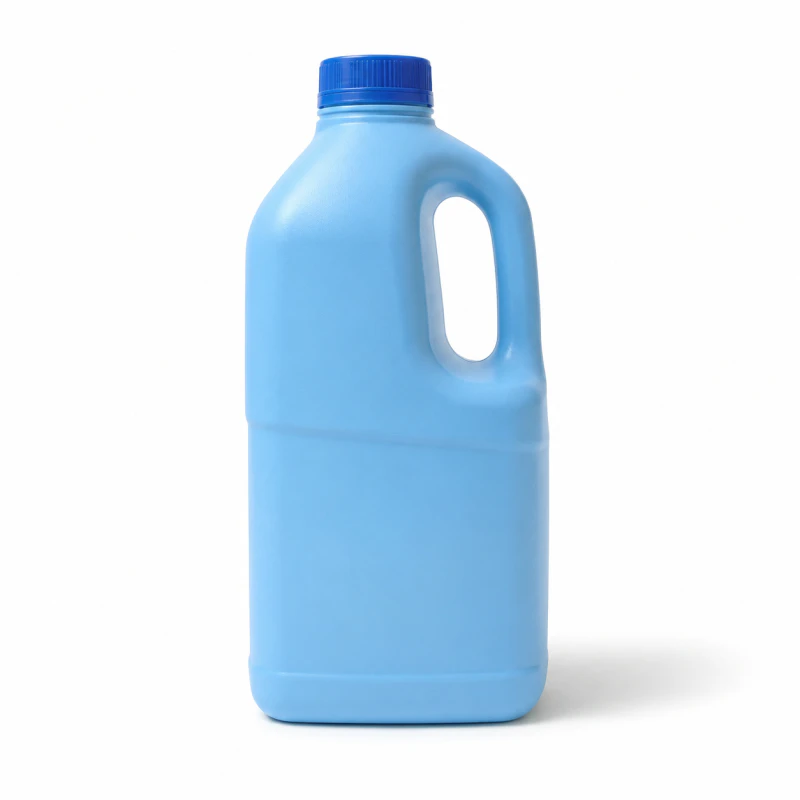
Optical HDPE Bottle Sorting Solution
Optical HDPE bottle sorting solutions are designed to recover high-density polyethylene (HDPE) bottles from mixed plastic packaging and rigid plastic waste. During recycling, HDPE bottles are often mixed with PET beverage bottles, PP containers, colored plastics, and other unwanted materials. These mixed polymers can affect the quality and consistency of recycled plastic and create additional challenges for downstream processing.
By combining optical detection, intelligent material classification, and automated separation, an optical HDPE bottle sorting system helps recycling facilities identify target HDPE bottles and remove selected non-target materials. Depending on the feed composition and final product requirements, the solution can be configured for polymer separation, bottle color classification, or multiple sorting stages.
The solution is suitable for municipal recycling facilities, post-consumer plastic recovery plants, commercial packaging recycling operations, and plastic washing lines. The equipment configuration should be determined by the actual material stream, required processing capacity, target purity, and downstream recycling process.
Challenges in Mixed HDPE Bottle Recycling
Mixed plastic bottle waste presents several challenges for recycling operators. Different polymers may have similar shapes and appearances, while bottle colors, labels, caps, residual liquids, and surface contamination can complicate identification. When unwanted plastics enter the HDPE stream, they may affect washing, extrusion, and the quality of the final recycled material.
An optical sorting solution addresses these challenges by identifying detectable material characteristics and separating selected target and non-target items. The sorting strategy can be adjusted to suit different feedstocks and recycling objectives.
| Recycling Challenge | Proposed Solution | Operational Benefit |
|---|---|---|
| HDPE bottles mixed with PET and PP containers | Use suitable optical sensors to identify and separate target polymer categories. | Improved polymer separation and material consistency. |
| Different colors of HDPE bottles | Apply camera-based color recognition and configured separation criteria. | More consistent color fractions for selected applications. |
| Non-target rigid plastic packaging | Identify and reject detectable unwanted containers. | Reduced unwanted material in the recovered HDPE stream. |
| Inconsistent feed presentation | Combine appropriate conveying, spreading, and inspection equipment. | More stable sorting conditions. |
How the Optical HDPE Bottle Sorting Solution Works
The sorting process generally includes material preparation, optical inspection, intelligent classification, and automatic separation. Additional sorting stages can be incorporated when the incoming material contains multiple polymer types, mixed colors, or contamination that requires further treatment.
Material Feeding and Distribution
Mixed plastic bottles are conveyed into the sorting line and distributed into a controlled material stream. Proper feeding helps reduce bottle overlap and allows the inspection system to examine individual containers more effectively. Depending on the feed condition, preliminary screening or manual removal of unsuitable items may be included before optical sorting.
Optical Detection and Polymer Identification
As bottles pass through the inspection area, cameras and installed optical sensors collect information about their visible appearance or spectral characteristics. Visible-light cameras can support color recognition and appearance classification, while suitable near-infrared sensors can distinguish many common plastic polymers, including HDPE and PET, under appropriate conditions.
The sensor configuration should match the sorting objective. Polymer identification requires suitable material-detection capability, while color separation depends on reliable visual recognition. Dark or carbon-black plastics, heavily covered surfaces, multilayer packaging, and overlapping bottles may be more difficult to identify and should be evaluated using representative feed samples.
Intelligent Material Classification
The control system analyzes the detected information and classifies bottles according to predefined sorting criteria. The system can be configured to recover identifiable HDPE bottles, separate selected HDPE color categories, or reject specific non-target materials. The exact sorting strategy depends on the composition of the incoming waste and the quality requirements of the recovered material.
Automatic Separation and Collection
After classification, the separation mechanism directs selected bottles into the appropriate output streams. In systems equipped with air-ejection technology, precisely timed air jets divert target or reject items from the main material flow. The resulting streams may include recovered HDPE, rejected non-target plastics, or separate color fractions, depending on the line configuration.
Output Inspection and Further Processing
The recovered HDPE material can proceed to shredding, washing, label removal, density separation, drying, and extrusion. Additional sorting or inspection may be required when the incoming feed is highly mixed or the final product has demanding purity specifications. Final recycled material quality depends on the entire processing line, including feed preparation and downstream treatment.
Customized Sorting Configurations for Different Feed Materials
Different recycling operations require different sorting strategies. Facilities recovering HDPE from mixed household packaging may prioritize polymer identification, while plants producing color-specific recycled material may require additional color separation. The solution should be configured according to the incoming material and intended output rather than applying the same sorting process to every recycling line.
| Feed Material | Sorting Configuration | Target Outcome |
|---|---|---|
| Mixed HDPE and PET bottles | Optical polymer identification and separation | Recover HDPE and reduce PET contamination. |
| Mixed-color HDPE bottles | Camera-based color classification with suitable material identification where needed | Separate selected bottle colors. |
| Mixed rigid plastic packaging | Polymer classification and targeted rejection | Improve the consistency of the recovered HDPE fraction. |
| Pre-sorted HDPE bottles with remaining impurities | Additional optical inspection based on detectable contaminants | Remove selected remaining non-target items. |
Whole-Bottle Sorting and HDPE Flake Sorting
Optical sorting can be integrated at different stages of a plastic recycling line. Whole-bottle sorting takes place before shredding and helps remove selected unwanted containers while their original shapes remain visible. Early separation can reduce the amount of non-target plastic entering subsequent processing equipment.
HDPE flake sorting takes place after size reduction and preparation. It provides another opportunity to separate plastic materials by detectable polymer or color characteristics. For some recycling plants, combining bottle sorting with flake sorting can improve control over material quality at different stages of the process.
| Process Stage | Main Function | Key Considerations |
|---|---|---|
| Whole-bottle sorting | Recover target bottles and reject selected unwanted containers before crushing. | Bottle overlap, labels, caps, and surface condition. |
| HDPE flake sorting | Separate prepared flakes by detectable polymer or color characteristics. | Flake size, moisture, cleanliness, and uniform feeding. |
| Combined sorting line | Remove selected unwanted materials at multiple points in the recycling process. | Overall process design, recovery targets, and final material specifications. |
For recycling facilities that process mixed plastic bottles into flakes, an additional NIR HDPE flake sorting solution can be evaluated for polymer separation after size reduction. The suitability of a combined process depends on the feed composition and should be confirmed through representative material testing.
Applications of Optical HDPE Bottle Sorting
Municipal recycling facilities: Recover HDPE containers from mixed household packaging, where polymer types, bottle colors, and contamination levels can vary considerably.
Post-consumer plastic recycling: Separate identifiable HDPE milk bottles, detergent containers, shampoo bottles, and other discarded packaging before further processing.
Commercial packaging recovery: Classify HDPE containers from mixed retail and commercial packaging waste to improve the consistency of recovered plastic streams.
Plastic washing and reprocessing plants: Integrate optical sorting before or after size reduction to support more consistent material input for washing, drying, and extrusion.
Recycled plastic production: Prepare selected HDPE fractions for downstream processing according to the requirements of recycled resin manufacturers and plastic converters.
Benefits of an Optical HDPE Bottle Sorting Solution
Improved polymer separation: Suitable optical sensors can distinguish many target HDPE bottles from identifiable non-target polymers, helping reduce unwanted material in the recovered stream.
More consistent color fractions: Camera-based color recognition can support the separation of selected bottle colors when the system is configured for the required categories.
Automated material classification: Optical detection and automatic separation can reduce dependence on manual sorting for defined material categories while supporting continuous processing.
Better downstream process control: Removing selected non-target materials before shredding or washing can help improve the consistency of the feed entering subsequent recycling stages.
Flexible system integration: The solution can be designed to work with existing conveyors, pre-sorting equipment, shredders, washing systems, and downstream inspection processes.
Factors for Designing an HDPE Bottle Sorting Line
The right sorting configuration depends on the actual feed material and the intended recycled product. Evaluating these factors before equipment selection helps determine the required sensors, feeding arrangement, sorting stages, and output collection system.
| Design Factor | Considerations |
|---|---|
| Feed composition | Identify the main polymers, bottle colors, packaging types, and contaminants present in the incoming stream. |
| Sorting objectives | Define whether the priority is HDPE recovery, color separation, non-target rejection, or a combination of these tasks. |
| Sensor configuration | Select detection technology according to the required polymer identification and color recognition capabilities. |
| Processing capacity | Match the feeding system, conveyor arrangement, and sorting stages to the required throughput. |
| Output specifications | Set realistic targets for material purity, recovery, color consistency, and residual contamination. |
| Downstream processing | Determine whether additional shredding, washing, flake sorting, or quality inspection is required. |
Frequently Asked Questions
Can optical sorting separate HDPE bottles from PET bottles?
Yes. A system equipped with suitable material-identification sensors can separate many HDPE and PET bottles under appropriate operating conditions. Actual results depend on feed presentation, surface condition, sensor configuration, and the composition of the incoming material.
Can the solution sort HDPE bottles by color?
Yes, when the system includes suitable visible-light detection and is configured for the required color categories. Bottle overlap, labels, lighting conditions, and differences in material appearance can influence the sorting result.
Can optical sorting remove bottle caps and labels?
Some exposed caps, labels, and other packaging components may be detected and rejected if they are distinguishable by the installed system. However, optical sorting does not guarantee complete cap or label removal. Dedicated label-removal equipment, washing, and other separation methods may still be necessary.
Should HDPE bottles be sorted before or after shredding?
Sorting before shredding can remove selected unwanted containers while they remain intact. Sorting after shredding provides an additional opportunity to separate prepared plastic flakes. The preferred arrangement depends on the material stream, plant layout, and output requirements.
How can sorting performance be evaluated?
Representative feed testing can help assess target-material recovery, output purity, residual contamination, processing capacity, and consistency. Performance expectations should be established using the actual feed material and agreed testing conditions.
Develop a Customized HDPE Bottle Sorting Solution
Every plastic recycling facility has different feed characteristics, production targets, and quality requirements. An effective optical HDPE bottle sorting solution should be designed around the actual polymer mix, bottle colors, contamination profile, required throughput, and downstream process.
Whether your facility needs to recover HDPE from mixed plastic bottles, separate selected color fractions, or improve material consistency before washing and reprocessing, a properly configured optical sorting line can help address these challenges.
Contact our team with details about your feed materials, processing capacity, and target output specifications to discuss a suitable HDPE bottle sorting solution for your recycling operation.