Improve LDPE Recovery with a Dedicated Film Sorting Solution
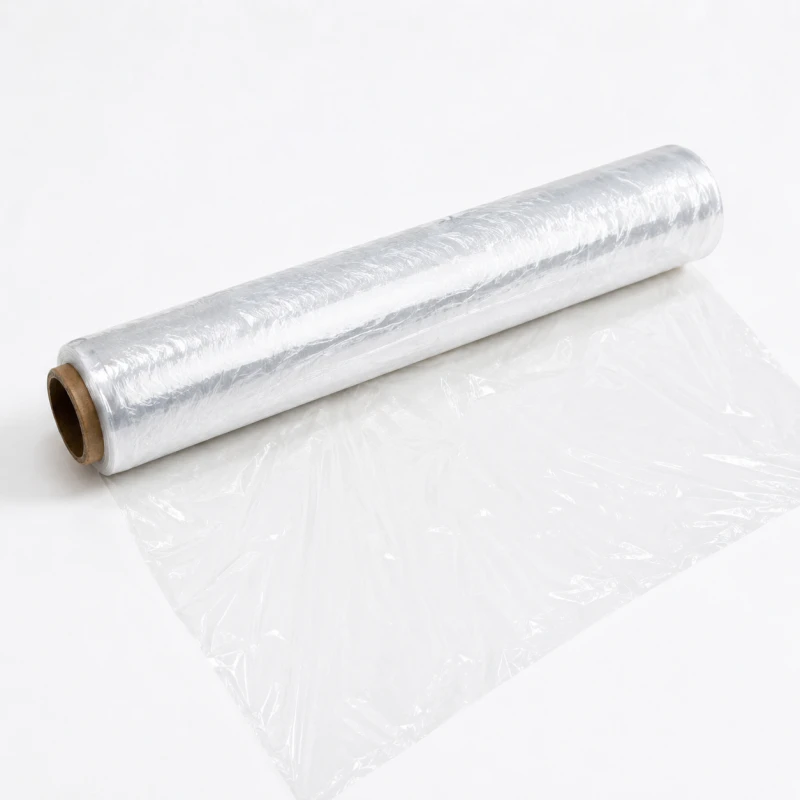
Flexible plastic recycling presents different challenges from rigid plastic recycling. Low-density polyethylene (LDPE) films are lightweight, flexible, and easily entangled, while incoming material may contain linear low-density polyethylene (LLDPE), high-density polyethylene (HDPE) film, polypropylene (PP), printed packaging, labels, dirt, and other contaminants. A dedicated LDPE film sorting solution helps recycling facilities separate suitable polyethylene fractions from mixed film streams and prepare more consistent material for washing, extrusion, or pelletizing.
The right solution depends on the source and condition of the incoming film. Post-consumer packaging may contain food residues, printing inks, adhesives, and mixed polymer structures. Agricultural films may carry soil, plant residues, moisture, and weathering damage. Post-industrial film scrap is often more consistent, but it may still contain different resin grades, colors, or production materials. These differences affect the preparation process, sensor selection, and achievable sorting performance.
Rather than relying on an optical sorter alone, an effective system considers the complete material route. Screening, shredding where appropriate, washing, dewatering, drying, mechanical separation, and optical sorting can be combined according to the feedstock. The objective is to recover a usable LDPE-rich fraction while controlling contamination and minimizing the loss of valuable film.
Common Challenges in LDPE Film Recycling
LDPE film sorting requires careful coordination between material handling and identification technology. Flexible films can fold, overlap, cling to equipment, and carry contaminants that interfere with consistent feeding or detection. Understanding these conditions before selecting equipment helps prevent avoidable blockages and disappointing separation results.
| Material Challenge | Effect on Sorting | Recommended Process Consideration |
|---|---|---|
| Entangled or overlapping films | Individual pieces may be difficult to identify and separate accurately. | Improve opening, spreading, and feeding uniformity before optical detection. |
| Soil, food residues, and moisture | Contamination can affect material presentation, optical signals, and downstream processing. | Evaluate screening, washing, dewatering, and drying requirements for the specific feedstock. |
| Mixed PE and PP films | Different polymers may remain together in the recovered film fraction. | Use suitable polymer-identification technology and validate separation performance with representative samples. |
| Printed and colored films | Surface appearance may complicate color classification or material identification. | Assess the effects of inks, coatings, and pigmentation on the selected sensors. |
| Multilayer and black films | Some materials cannot be reliably classified using conventional NIR alone. | Identify difficult fractions during feedstock testing and consider alternative separation routes where necessary. |
The condition of the film is as important as its nominal polymer type. A clean, single-layer production film may be suitable for direct optical identification, while heavily contaminated post-consumer film may require several preparation stages. For this reason, the sorting line should be designed around the actual incoming material instead of assuming that all LDPE film streams behave in the same way.
How an LDPE Film Sorting Line Works
A typical solution combines material preparation, optical identification, selective separation, and output quality control. The sequence can be adapted to an existing recycling plant or developed as part of a new film recycling line.
Film Preparation and Feeding
Incoming film is inspected and prepared to remove unsuitable items and reduce handling problems. Depending on the material, preparation may include bale opening, shredding, screening, washing, dewatering, and drying. These stages help reduce contaminants and improve the consistency of the material entering the sorter.
Feeding design is especially important for flexible plastics. Unlike rigid flakes, film pieces can fold, overlap, wrap around moving components, or move unpredictably in an air stream. The conveying and spreading system should therefore be selected for the film's dimensions, flexibility, surface condition, and moisture level. Where the material is too tangled or irregular for reliable detection, further mechanical preparation may be necessary.
Polymer Identification and Classification
Near-infrared (NIR) sorting can identify many common plastics by analyzing their characteristic spectral responses. In suitable applications, it can help distinguish LDPE-rich material from other detectable polymer fractions, including certain HDPE and PP films. Visible-light cameras can provide complementary information about color and visible surface characteristics when these properties are part of the sorting objective.
The effectiveness of the detection system depends on the sensor configuration, material condition, and target separation. Printing inks, surface coatings, multilayer structures, pigmentation, and overlapping pieces may affect identification. Carbon-black plastics are particularly challenging for conventional NIR systems because the pigment absorbs much of the near-infrared radiation used for classification.
Selective Rejection and Product Collection
After the sensor system identifies target and non-target materials, the sorting equipment directs selected pieces into the appropriate output stream. Depending on the machine design, separation may use controlled air ejection or another suitable mechanism. The system should be configured to maintain stable material flow and minimize the unintended removal of valuable LDPE film.
Some recycling lines benefit from a second sorting pass. An initial stage can remove obvious non-target materials, while a subsequent stage refines the retained fraction. The need for additional sorting depends on feedstock contamination, target purity, acceptable material loss, and the capacity of downstream equipment.
Select the Right Technology for LDPE Film Separation
Different separation technologies perform different functions. Mechanical equipment can prepare the film and remove contaminants based on physical properties, while optical sensors can identify certain material characteristics. The most appropriate solution combines these capabilities according to the actual recycling objective.
| Technology | Main Function | Role in LDPE Film Recycling | Limitations to Consider |
|---|---|---|---|
| NIR Optical Sorting | Identifies many polymers through their spectral characteristics. | Separates suitable LDPE-rich film fractions from detectable non-target polymers. | Performance can be affected by carbon-black pigments, multilayer structures, surface contamination, and overlapping films. |
| Visible-Light Camera Sorting | Classifies visible color and selected surface features. | Supports separation by color or visible appearance when required. | Visual appearance alone cannot reliably establish polymer identity. |
| Air Classification | Separates material according to aerodynamic behavior and physical characteristics. | Can help separate lightweight film from some heavier materials during pre-treatment. | Does not independently distinguish LDPE from other films with similar physical behavior. |
| Screening and Size Reduction | Prepares material and separates selected particle sizes. | Improves feed consistency and supports downstream separation. | Does not identify polymer type by itself and must be configured to avoid excessive film entanglement. |
| Washing and Dewatering | Removes dirt and residues and reduces moisture. | Prepares contaminated post-consumer and agricultural film for further processing. | Requires suitable wastewater management and may need additional drying before optical sorting or extrusion. |
Air classification and optical sorting should not be treated as interchangeable technologies. An air classifier can be useful for removing certain lightweight or heavy fractions, but it cannot reliably distinguish polymers solely by their chemical composition. NIR sorting provides material-identification capability for suitable feedstocks, although its performance depends on whether the target film can be detected under actual operating conditions.
For a relatively clean post-industrial LDPE stream, the process may require fewer preparation stages than a post-consumer film line. For agricultural film containing substantial soil and moisture, cleaning and dewatering may be essential before optical sorting can operate effectively. The final equipment combination should reflect these differences.
Application-Specific LDPE Film Sorting Solutions
LDPE film is recovered from several industries, but each source presents a different combination of contamination, polymer composition, and output requirements. A tailored sorting process helps match the recovered material to its intended recycling route.
Post-Consumer Flexible Packaging
Post-consumer film may include shopping bags, shrink wrap, outer packaging, and flexible household product packaging. The material can contain mixed polyethylene grades, PP film, labels, printing inks, and residual contamination. A suitable solution combines appropriate preparation with optical identification to recover the target fraction and remove detectable unwanted materials.
Where packaging includes multilayer structures or materials that cannot be reliably identified by the selected sensors, these fractions may need to be removed through additional sorting or managed separately. The final configuration should reflect the composition of the local collection stream and the quality requirements of the intended buyer.
Agricultural Film Recycling
Greenhouse covers, mulch films, silage wrap, and other agricultural plastics may be heavily contaminated with soil, sand, plant matter, and moisture. These materials often require a more intensive preparation process than clean packaging scrap. Screening, washing, dewatering, and drying can help prepare the film for subsequent identification and separation.
Weathering, pigmentation, and additives can also influence the detection characteristics of agricultural plastics. Black films may be particularly difficult for conventional NIR identification, so their proportion in the incoming material should be established before the sorting technology is selected. In some cases, a dedicated route for difficult or heavily contaminated fractions is more appropriate than processing everything through the same optical stage.
Post-Industrial LDPE Film Scrap
Manufacturing waste from film extrusion, packaging conversion, and related production processes may offer a more predictable feedstock than mixed post-consumer waste. Edge trim, off-spec film, and clean production scrap can often be recovered more efficiently when resin type and production history are known.
When several resins or colors are mixed together, optical sorting can support material recovery before reprocessing. The required system depends on whether the objective is to remove occasional non-target pieces, separate different polymer fractions, or classify film by visible color. Material testing can help determine whether optical sorting adds sufficient value compared with direct reprocessing or a simpler mechanical separation process.
Mixed Polyolefin Film Recovery
Some recycling facilities process flexible materials containing both polyethylene and polypropylene. Although these polymers belong to the polyolefin family, they have different material characteristics and may not be suitable for every downstream application when mixed. A sorting solution can use suitable NIR identification to separate detectable PE-rich and PP-rich fractions.
The required separation level depends on the final application, the composition of the input stream, and the identification performance demonstrated during testing. If the incoming material contains multilayer films, black plastics, or heavily printed pieces, these fractions should be included in the test samples because they may influence both product purity and material recovery.
Integrate Film Sorting into the Recycling Line
The position of the sorter affects both its operating conditions and the quality of the output. In many applications, upstream equipment removes large contaminants and prepares the film, while optical sorting performs targeted separation before the recovered material moves to further processing. The exact arrangement should be determined by the feedstock and the requirements of the complete recycling line.
| Process Stage | Purpose | Key Design Consideration |
|---|---|---|
| Receiving and pre-sorting | Removes unsuitable items and identifies major contamination issues. | Assess the variability of incoming bales and the need for manual or mechanical pre-sorting. |
| Size reduction and screening | Prepares the material and separates unsuitable sizes where necessary. | Choose equipment that handles flexible films without causing excessive wrapping or tangling. |
| Washing and drying | Reduces dirt, residues, and moisture where required. | Match treatment intensity to contamination levels and the requirements of downstream detection or extrusion. |
| Optical sorting | Separates target and non-target material fractions. | Confirm detection suitability, feeding stability, and achievable purity and recovery through testing. |
| Extrusion and pelletizing | Converts the recovered plastic into material for reuse. | Ensure the sorted feed meets the processor's contamination and polymer-composition requirements. |
Not every plant requires all these stages, and optical sorting is not always best positioned at the same point. Clean, traceable production scrap may need only limited preparation, while dirty agricultural film may require substantial cleaning before a reliable separation step is possible. Layout planning should also consider conveying distances, reject collection, access for cleaning, dust management, and the utilities required by the selected equipment.
Evaluate Sorting Quality and Material Recovery
A successful LDPE film sorting solution must balance output purity with the recovery of usable material. Maximizing purity alone can be counterproductive if a large amount of good LDPE is discarded with the rejects. Similarly, a high recovery rate may not be sufficient if the product contains too much unwanted polymer or contamination for its intended use.
| Evaluation Metric | What to Check | Practical Value |
|---|---|---|
| Product purity | The proportion of the desired LDPE-rich material in the recovered output. | Shows whether the output meets the requirements of downstream processors. |
| Material recovery | The proportion of target material retained in the desired product stream. | Reveals how much valuable LDPE is lost during separation. |
| Throughput | The amount of material processed under defined operating conditions. | Determines whether the solution can match the requirements of the wider recycling line. |
| Reject composition | The amount of unwanted material removed and the quantity of target film lost with it. | Helps identify opportunities to improve the balance between purity and recovery. |
| Output consistency | Changes in product quality across different batches and feedstock conditions. | Supports more predictable downstream processing and customer acceptance. |
Representative testing is particularly important for flexible films because their shape, moisture, pigmentation, and surface condition can vary significantly. A useful test should include typical material as well as difficult samples, such as dark films, heavily printed packaging, or agricultural film with residual contamination. Results should be assessed against the actual production objective, including purity, recovery, throughput, and the amount of material requiring further treatment.
How to Select an LDPE Film Sorting Solution
Equipment selection should begin with a clear description of the feedstock and the target output. A sorter intended for clean manufacturing scrap may not be suitable for mixed post-consumer film without additional preparation. Similarly, a line designed to remove visible color contaminants may not provide the polymer separation needed for a PE-rich recycled resin stream.
Start by establishing the expected polymer composition, film dimensions, contamination level, moisture condition, and variations between batches. Then determine whether the priority is LDPE recovery, PE and PP separation, color classification, or the removal of specific unwanted fractions. This information helps narrow the appropriate sensor configuration and identify whether upstream preparation or multiple sorting stages are required.
The equipment should also be assessed for stable film feeding, ease of cleaning, reject handling, integration with existing conveyors, and the availability of service support. If pneumatic ejection is used, confirm the manufacturer's requirements for compressed-air quality, pressure, and flow. Utility requirements should be taken from the proposed machine specification rather than assumed from general industry figures.
Finally, request a material test using representative samples from the actual recycling stream. Compare product purity with target-material recovery, and confirm the operating rate under the proposed feed conditions. A documented test provides a more useful basis for equipment selection than a headline performance figure obtained from a different material or an ideal operating environment.
Frequently Asked Questions
Can an LDPE film sorter separate LDPE from PP and HDPE film?
A suitable NIR sorting system may distinguish LDPE-rich material from detectable PP and HDPE film fractions. The actual performance depends on the sensor configuration, the condition of the film, and the composition of the input stream. Since overlapping or multilayer materials can complicate identification, representative testing is recommended before confirming the final system design.
Can an LDPE film sorting line process agricultural film?
Yes, agricultural film can be considered for sorting, but the required preparation depends on the level of soil, plant residues, moisture, and weathering. Washing, screening, dewatering, and drying may be necessary before optical detection. Black agricultural films can be difficult for conventional NIR systems, so their composition and the available identification methods should be evaluated in advance.
Can optical sorting identify food-grade LDPE separately from industrial-grade LDPE?
Not reliably on the basis of polymer identification alone. Optical sorting can identify certain material characteristics, but it does not establish the regulatory history, original use, or food-contact compliance of a plastic item. Applications requiring food-contact recycled material need appropriate traceability, testing, and regulatory compliance procedures in addition to sorting.
What is the difference between an LDPE film sorter and an air classifier?
An air classifier separates material according to physical and aerodynamic behavior, making it useful for removing certain lightweight or heavy fractions. An optical film sorter identifies detectable material characteristics and can support polymer-specific separation. The two technologies can complement each other when a recycling line needs both bulk pre-separation and more selective material classification.
Can an LDPE film sorter handle wet or dirty film?
The suitability depends on the machine design and the condition of the incoming material. Excessive moisture, dirt, and entanglement can affect feeding and detection, so contaminated films may need washing and drying before optical sorting. The acceptable operating conditions should be confirmed with the equipment supplier using samples that reflect the actual feedstock.
How can sorting performance be verified before purchase?
Provide representative samples and define the target polymer, major contaminants, required output quality, and expected operating rate. A material test should evaluate product purity, recovery, and throughput together. Testing difficult fractions, such as black or multilayer films, can also reveal whether additional preparation or a separate treatment route is necessary.
Develop a Film Sorting Solution for Your Recycling Line
Improving LDPE film recovery requires more than selecting an optical sorter. The complete solution must account for film handling, contamination removal, polymer identification, reject management, and the quality requirements of the downstream process. A suitable configuration can help recycling facilities recover valuable polyethylene fractions while reducing unwanted material in the final output.
Whether you process post-consumer flexible packaging, agricultural film, post-industrial scrap, or mixed polyolefin waste, the sorting system should be designed around your material and production objectives. Share your feedstock characteristics, target polymers, and output requirements to evaluate suitable sorting technologies and develop a practical LDPE film sorting solution for your facility.