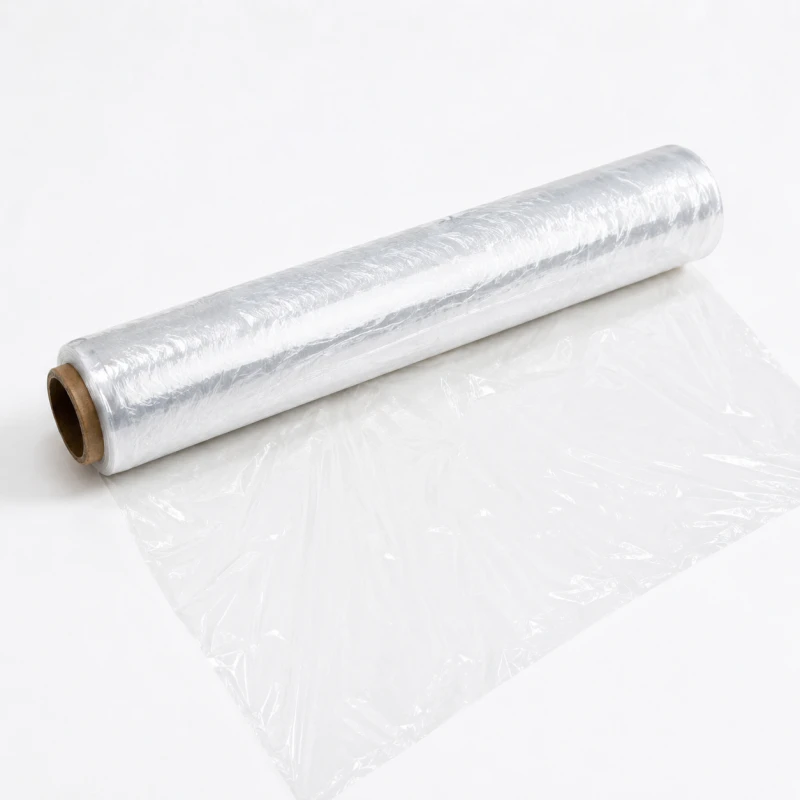
What Is an LDPE Film Sorter?
An LDPE film sorter is an automated optical sorting system engineered to separate low-density polyethylene (LDPE) films from mixed plastic waste streams. Often referred to as a plastic film sorting machine or LDPE reclaim sorter, it uses high-resolution cameras and near-infrared (NIR) spectroscopy to identify and eject film materials based on polymer type, color, and opacity. The machine typically features a conveyor belt, a sensor array, and high-speed air jet nozzles that physically divert target flakes or sheets into designated output chutes. This advanced piece of plastic recycling equipment has become indispensable in modern material recovery facilities, where the demand for clean, polymer-specific output streams continues to rise alongside global recycling mandates and corporate sustainability commitments.
The core value of an LDPE film sorter lies in its ability to overcome the inherent challenges of handling flexible packaging waste. Unlike rigid plastic containers that can be sorted using traditional ballistic separators or eddy current systems, film materials are lightweight, prone to tangling, and easily contaminated by adhesives and food residues. The sorting machine addresses these issues through a combination of mechanical preparation and optical intelligence. By integrating a vibratory feeder deck, an adjustable conveyor speed system, and a precisely calibrated sensor bridge, the equipment ensures that even the most challenging post-consumer film bales can be processed into a marketable commodity. For recycling operators, investing in such a plastic film sorting machine not only improves output quality but also reduces reliance on manual sorting labor, which is both costly and prone to inconsistency when dealing with high-volume film streams.
How Does an LDPE Film Sorter Sort Plastics?
The sorting process operates in four core steps: feeding, detection, decision, and ejection. First, shredded film flakes are spread uniformly across a vibrating feeder to prevent clumping—critical because LDPE is notoriously clingy. Then, as material passes under the sensor bridge, NIR wavelengths reflect off each flake; the system compares the reflected spectrum against a polymer database in milliseconds. A central computer classifies each particle as LDPE, non-LDPE, or metal, mapping its precise position on the belt. Finally, solenoid valves fire compressed air jets at exact coordinates, blowing LDPE flakes into a clean product bin while reject materials continue to a waste line. This entire sequence happens at speeds that would be impossible for human sorters, with modern systems processing tens of thousands of particles per minute while maintaining a high degree of accuracy.
Understanding the ejection mechanism is particularly important for plant operators who want to maximize recovery rates. The air jet system is not a simple continuous blast; instead, it operates in short, high-frequency pulses that are timed to the millisecond based on the detected position of each target particle. This precision is achieved through a complex feedback loop that continuously measures belt speed, particle trajectory, and air pressure. Advanced plastic sorting machines also incorporate self-cleaning nozzle designs that prevent the accumulation of sticky film residues, which could otherwise block airflow and cause misdirected ejections. Furthermore, the detection phase is not solely reliant on NIR spectroscopy; many industrial models combine visible light cameras to assess color and shape, allowing for multi-parameter sorting decisions. For instance, a flake that is spectrally identified as LDPE but has an unusual shape may be flagged as a potential composite material and automatically routed to a secondary inspection lane. This multi-layered approach to plastic separation technology ensures that the final LDPE product meets the stringent specifications demanded by downstream processors, such as blown film extruders who require contamination levels below one percent.
What Plastics Can an LDPE Film Sorter Detect?
These sorters are optimized for flexible packaging and thin-gauge films, but their detection range is broader than many assume. They can reliably identify LDPE (recycled as #4) including shrink wrap, grocery bags, and agricultural film, as well as LLDPE (linear low-density polyethylene) which is frequently blended with LDPE in manufactured products. Additionally, the sorting system can detect HDPE (high-density polyethylene) in film form, though achieving clean separation may require thickness differentiation since some HDPE films have spectral overlaps with their low-density counterparts. Polypropylene (PP) films are also within the detection capability of a modern LDPE film sorter, which is particularly valuable because PP is often mislabeled in mixed plastic bales collected from curbside recycling programs. The ability to segregate these different polyolefins automatically provides recycling facilities with significant market advantages, as each polymer stream commands different prices and serves distinct manufacturing applications.
However, it is essential to recognize the limitations of NIR-based detection technology. An LDPE film sorter cannot distinguish between different grades of LDPE that share identical spectral signatures, such as food-grade versus industrial-grade film. This distinction requires additional traceability measures or manual inspection, as the optical system only perceives molecular structure rather than regulatory history. Additionally, heavily contaminated or carbon-black films absorb too much NIR light, causing the sensor to reject them as "unknown." This is a common challenge in agricultural film recycling, where greenhouse covers often contain carbon black for UV stabilization. Multi-layer laminates, such as aluminum-coated snack pouches, also fall outside standard detection capabilities unless the sorter is equipped with optional Raman spectroscopy modules. These advanced sensors can identify materials based on molecular bond vibrations, which provides a more detailed analysis but comes with significantly higher equipment costs. For facilities processing complex post-industrial waste, investing in a sorter with hybrid sensor fusion may be necessary to achieve the desired output purity and expand the range of acceptable input materials.
LDPE Film Sorter Specifications
When evaluating a plastic film sorting machine for your operation, understanding the technical specifications is essential for aligning equipment performance with your operational goals. The processing capacity of a sorter is perhaps the most critical parameter, as it determines whether the machine can keep pace with your upstream shredder and downstream extrusion equipment. Compact models typically handle one to three tons per hour, making them suitable for smaller recycling startups or in-house scrap reclaim operations within packaging manufacturing plants. High-throughput industrial models, on the other hand, can process five to ten tons per hour using a wider sorting deck and multiple ejection zones. The sorting width is directly correlated with capacity; a 1,000-millimeter wide conveyor is common for compact units, while a 2,400-millimeter width accommodates larger volumes in central recycling facilities. These dimensions also influence the installation footprint, so facilities with limited floor space often opt for narrower models even if they plan to expand capacity later.
Purity achievement is another specification that requires careful scrutiny, as manufacturers state these values under ideal conditions that may not reflect your specific input material. A well-tuned LDPE film sorter with dual-side ejectors can consistently achieve 95 to 97 percent purity on post-consumer film bales, while premium models with four independent sortation zones and metal detection integration can push this figure above 99 percent. Power consumption is equally important for operational budgeting, as a 40 to 60 kilowatt model significantly impacts electricity costs, especially when the sorter operates continuously for 24 hours per day. Air consumption is directly tied to the number of ejection nozzles and the frequency of firing; high-throughput models may require flow rates exceeding 6,000 liters per minute. It is crucial to calculate whether your existing compressed air infrastructure can support such demands or whether additional investments in air compressors and receiver tanks are necessary. Sensor configurations also vary, with base models featuring NIR and visible light cameras, while advanced units add metal detectors that protect downstream equipment from ferrous and non-ferrous contamination.
LDPE Film Sorting vs. Air Classification Sorting
Comparing an LDPE film sorter to an air classifier reveals fundamental differences in separation philosophy and achievable outcomes. Air classifiers use airflow and density differences to separate film from rigid plastics, an older mechanical approach that operates on the principle that light, flat materials will be carried by an airstream while heavier particles fall through a column or cascade. This method offers lower initial capital costs and can process material with higher moisture content without significant performance degradation, which is why many facilities use air classifiers as a pre-sorting step. However, the precision of this technique is inherently limited; air classifiers can only distinguish particles based on weight and surface area, meaning they cannot identify polymer types or colors. A batch of shredded film might contain both LDPE and PP fragments with similar densities, and an air classifier would co-mingle these materials in the light fraction, reducing the commercial value of the output and complicating downstream recycling processes.
In contrast, an LDPE film sorter delivers material-level precision that air classification technology simply cannot match. The machine identifies each particle's polymer signature and ejects it accordingly, producing homogeneous streams that command premium prices in the recycled resin market. While an air classifier typically achieves 80 to 90 percent purity on flexible film fractions, an optical sorter can exceed 99 percent purity when properly calibrated. The trade-offs are equally clear: optical sorters require more rigorous pre-cleaning to remove metals and heavy organics, and they are more sensitive to high moisture conditions that can cause film to cling and disrupt feeding. Additionally, air classifiers offer simplicity and robustness that makes them attractive for rugged environments or as the primary separation method for bulk volume reduction before a more refined optical sorting stage. The ideal recycling line often combines both technologies, using an air classifier to remove gross contamination and reduce material volume before the film sorter performs final polymer classification. This hybrid approach maximizes throughput while achieving the output quality necessary for food-contact applications, where any cross-contamination between LDPE and PP is unacceptable for regulatory compliance.
What Industries Use LDPE Film Sorters?
The application of LDPE film sorter technology spans a diverse range of industries, each with unique operational requirements driven by their specific input materials and desired output quality. Plastic recycling facilities represent the largest market segment, using these machines to upgrade post-consumer film bales into clean #4 streams that can be sold to film extruders and bag manufacturers. These facilities often process seasonal variations in incoming material, and a programmable sorter that can switch between different sorting recipes is essential for maintaining efficiency throughout the year. Agricultural film processors also rely heavily on LDPE film sorting machines to handle greenhouse covers and silage wrap that are contaminated with soil, plant debris, and UV stabilization additives that darken the polymer. The sorter's ability to distinguish between dirty film and relatively clean film critically influences whether the reclaimed material can be used for new agricultural films or the lower-grade applications like construction membranes. Packaging manufacturers use in-house sorters to reclaim production scrap from lamination lines, where misprinted or off-spec material can account for significant material losses.
Beyond traditional recycling operations, waste-to-energy plants benefit from LDPE film sorters as a means of extracting high-calorific-value film before combustion. By removing the film fraction, the residual waste burns more efficiently with reduced dioxin formation, and the captured film can be redirected to recycling if market conditions justify the additional handling. Chemical companies are emerging as significant users of this technology, feeding pyrolysis or cracking units with uniform LDPE feedstock rather than mixed polymer inputs. The consistent composition provided by film sorting directly affects the yield and quality of recovered monomers or pyrolysis oils. Additionally, the automotive industry participates in film sorting for dismantling operations, where LDPE films used in component packaging must be separated before automobile shredding residues can be further processed. The versatility of NIR-based sorting systems means that manufacturers can adapt their plastic separation equipment to evolving waste streams, such as the increasing prevalence of compostable packaging films that mimic LDPE spectral signatures but require separate handling to preserve composting infrastructure.
How Does an LDPE Film Sorter Handle High-Moisture Agricultural Film?
High-moisture agricultural film presents a unique challenge for any sorting system, as surface water can cause flakes to adhere together and interfere with optical measurements. Most sorting lines integrate a pre-drying module, such as a heated trommel or a forced-hot-air tunnel, to reduce surface moisture before the film enters the sorter. This dewatering stage typically brings the moisture content down from over twenty percent to below five percent, which significantly improves feeding consistency and prevents the film from wrapping around conveyor rollers. The sorter itself relies on NIR spectra that are less affected by surface water than visible-light systems, because the infrared wavelengths penetrate thin water layers and still capture the underlying polymer signature. Nevertheless, operators must monitor the ambient humidity and periodically inspect the sensor windows for condensation buildup, which can create false readings even on the most advanced LDPE film sorter.
How to Choose the Right LDPE Film Sorter
Selecting the optimal LDPE film sorter for your facility requires a systematic evaluation of your operational constraints and material characteristics. First, determine your input stream's contamination profile—if your bale contains more than 5 percent rigid plastic, you may need a primary shredder and air classifier upstream to protect the sorter from component damage and reduce the load on the ejection system. Conducting a thorough waste composition analysis over a full season is advisable, as agricultural film processors may see significant variations between harvest and non-harvest periods. Next, calculate throughput peaks realistically, considering your current production volume and expected growth over the next five years. If your line runs at four tons per hour, purchasing a three-ton sorter in anticipation of future upgrades is a common but risky strategy, because upgrading the sorter involves replacing the conveyor motor, air compressor, and potentially the sensor array, which may cost more than the initial price difference. Air valve response time is also a fixed parameter that cannot be accelerated after installation, so ensure the machine's peak capacity has at least a 20 percent buffer above your maximum expected throughput.
Then, inspect the sensor's spectral resolution carefully, as this determines the sorter's ability to differentiate between similar polymers. Some budget sorters cannot distinguish LLDPE from LDPE, which directly affects output claims and could result in downgraded batches that fail customer specifications. The spectral resolution is influenced by the sensor's pixel array, the wavelength range of the NIR spectrometer, and the sophistication of the classification algorithm. Ask the manufacturer about their polymer database flexibility—can you add custom signatures for proprietary resins or new biopolymers as they enter the market? Verify the air jet system's maintenance accessibility; nozzles clog frequently with sticky film residue, so designs that allow quick removal and cleaning without tools are preferable for facilities with limited maintenance staff. Replaceable wear pads along the conveyor and hinged sensor bridges that open for cleaning are features that might add cost but pay off in reduced downtime. Finally, always request a test report using your own material samples, as most reputable vendors offer free lab trials. Compare the purity-to-yield ratio, not just purity alone, because a sorter that achieves 100 percent purity but rejects 40 percent of your valuable LDPE is economically unsound. A good target is 95 percent purity with 90 percent recovery rate from a typical input stream.
FAQ
Can an LDPE film sorter handle heavily printed film?
Yes, but with reduced accuracy for dark-toned prints, as the ink layer absorbs a significant portion of the incident light across both visible and near-infrared wavelengths. Unless an advanced NIR sensor is installed that can read the polymer beneath the ink layer using deeper-penetrating wavelengths, dark inks cause misclassification that lowers output purity. For glossy or metallic prints, a visible-light camera alone is insufficient, because light reflections confuse color classification algorithms. Ensure your chosen model includes NIR-VIS fusion that combines spectral data with geometric patterns, allowing the sorting system to infer material composition even when surface coatings obscure the polymer signature. In practice, heavily printed films can be sorted at a lower purity target or subjected to a second pass through the sorter to achieve the desired quality for demanding applications.
What is the typical payback period for an LDPE film sorter?
The average payback period is 18 to 36 months, depending on material sale price and local landfill costs. If your sorter boosts LDPE purity from 92 percent to 99 percent, you can sell at a premium of $50 to $100 per ton in most regional resin markets where buyers pay for low contamination levels that reduce their need for additional cleaning steps. With a five-ton-per-hour machine running twenty hours daily, that incremental value alone can exceed $300,000 per year, taking into account only the purity-based price increase without factoring in the reduced manual sorting labor or lower downstream rejection rates. The payback accelerates when you also consider savings from avoided landfill disposal of film that currently ends up as residue. Many facilities operating in jurisdictions with strict recycling mandates or extended producer responsibility schemes also receive financial incentives for producing high-purity output streams, further shortening the payback period. To conduct a site-specific financial evaluation, calculate the annual revenue increase from premium pricing, subtract the added electricity and maintenance costs, and divide the total equipment and installation costs by the net annual benefit.
Does an LDPE film sorter require compressed air of a specific quality?
Yes, you need dry, oil-free air at 0.6 to 0.8 megapascals with a dew point below minus 20 degrees Celsius to ensure consistent ejection performance. Moisture in the air line will freeze during winter, blocking solenoid valves and causing costly downtime for the entire recycling line. An oil-mist filter is mandatory because residual oil contaminates the sorted film, ruining food-contact certifications and causing adhesion problems in downstream extrusion processes. Install an air receiver tank with at least 30 percent extra capacity to avoid pressure drops during ejection bursts when multiple nozzles fire simultaneously; otherwise, later nozzles in the sequence receive weaker air pressure and fail to hit their targets. Choosing a film sorter with an integrated air management system that monitors dew point and filters automatically simplifies maintenance, but even such systems require periodic checks to ensure the desiccant dryer is replaced on schedule. If your facility lacks a dedicated compressed air line, factor in the cost of a standalone compressor and drier unit when budgeting for the sorter installation.
What is the difference between a flake sorter and a film sorter?
A film sorter processes flat, flexible sheets and films that retain their original irregular shape after shredding, while a flake sorter handles granulated particles in the two to ten millimeter range. Film sorters use a wider belt and gentler feeding systems to prevent film wrapping around rollers, which causes jams and requires frequent operator intervention. They also incorporate anti-static devices and brushing mechanisms that keep thin films spread evenly across the detection zone. Flake sorters, conversely, rely on a vibrating table with a series of channels that align particles in single-file rows for consistent sensor readings, and they cannot process films because long, flexible sheets would bridge across channels and disrupt the feed. If you shred film into flakes first, you can indeed use a flake sorter, but this is an energy-intensive step that adds an additional grinder and increases the overall system capital and operating costs. For most flexible packaging lines, a dedicated LDPE film sorter proves more energy-efficient per ton of material processed because it eliminates the need for a separate size-reduction stage and its associated maintenance burden.
How often should NIR sensor calibration be performed?
Calibration is recommended every four to six hours of continuous operation, particularly when processing dark or dusty films that can cause gradual buildup on sensor windows. The LED light intensity degrades naturally over time, and the background reflectance shifts as lens coatings wither from continuous ultraviolet exposure. Most modern machines have auto-calibration references built into the chassis, which automatically adjust baseline readings every few minutes without operator involvement, but a manual white-reference check at the beginning of each shift remains best practice for quality assurance. During continuous operation at a full shift, the sorter's onboard software will flag performance drift and recommend recalibration if you monitor the statistical quality reports. If you notice purity drift over a week, increase calibration frequency and vacuum the sensor window thoroughly, as dust film friction is the leading cause of misreads in plastic film sorters. Take advantage of scheduled downtime for preventive cleaning that includes inspecting the air jet nozzles and verifying that the calibration target surfaces are not scratched or coated with polymer residue.