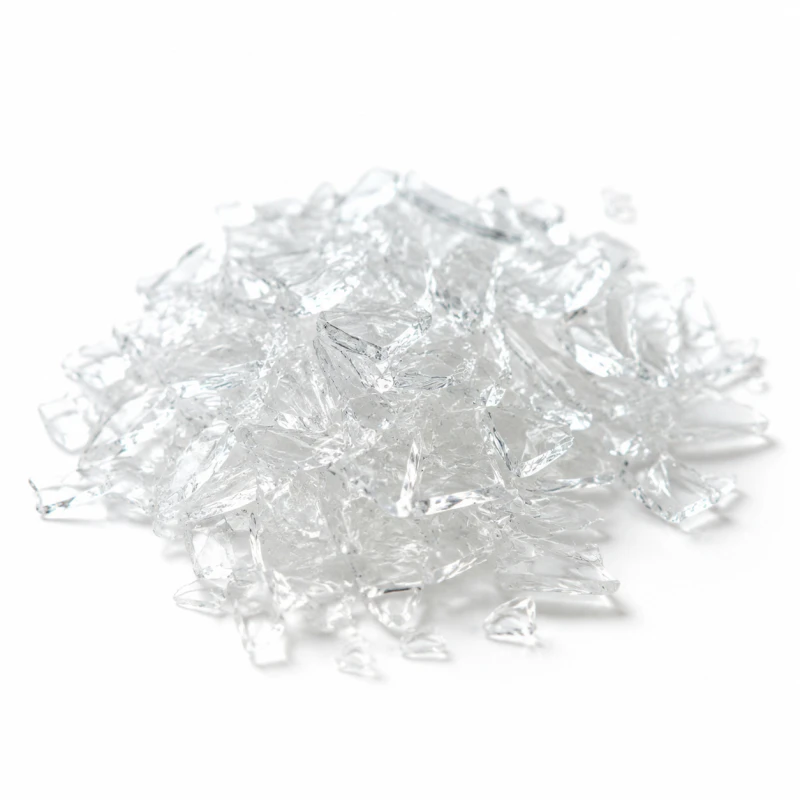
Food Grade rPET Sorting Solution
Food-grade recycled polyethylene terephthalate (rPET) production requires careful control of incoming materials, polymer composition, color, and potential contamination throughout the recycling process. Recycled PET may originate from post-consumer beverage bottles, collected packaging, and other suitable PET waste streams, but these materials can contain non-PET plastics, colored containers, labels, caps, adhesives, and foreign objects. If unwanted materials enter the recycling process, they may affect the quality of the recovered PET and increase the demands placed on downstream washing, decontamination, and processing equipment. A food-grade rPET sorting solution helps recycling facilities improve the composition of the incoming PET stream through optical identification, targeted separation, and integration with other material preparation and quality-control processes.
Sorting is an important part of preparing suitable PET feedstock, but food-contact suitability depends on the entire recycling process rather than the sorting stage alone. Optical sorting can help remove detectable non-PET materials, separate selected color fractions, and reduce certain visible contaminants before further processing. The recovered material must still undergo the appropriate washing, decontamination, processing validation, and regulatory assessment required for its intended application. A well-designed solution therefore connects front-end material recovery with downstream purification and quality verification, helping recyclers establish a more controlled process for producing rPET intended for food-contact applications.
Why Food-Grade rPET Requires Careful Material Sorting
Post-consumer PET bottle waste often contains materials that are unsuitable for direct inclusion in a high-quality PET recycling stream. Examples include HDPE detergent bottles, PP containers, PVC items, non-target colored plastics, metal objects, paper, and packaging with complex structures. Some contaminants are easy to identify visually, while others may have a similar appearance to PET bottles and require appropriate sensing technology for reliable classification. If the incoming material is not sufficiently controlled, unwanted polymers and packaging components can continue into subsequent processing stages, making it more difficult to maintain consistent material quality.
Color consistency is another important consideration for recyclers supplying customers with specific rPET specifications. Clear and light-blue bottles may be processed separately from green or other colored bottles, depending on the intended application and buyer requirements. Labels, printed sleeves, adhesives, residual liquids, and surface contamination also affect the condition of the incoming material and the work required from downstream cleaning equipment. A dedicated sorting solution can help establish a more uniform PET feedstock, while additional process controls address contaminants that cannot be completely removed by optical identification alone.
The sorting strategy should be based on the source of the material and the intended final use of the recycled PET. A relatively clean stream of collected beverage bottles may require a different configuration from mixed packaging recovered from a municipal recycling facility. The percentage of non-PET items, the distribution of bottle colors, the presence of dark plastics, and the condition of labels can all influence the appropriate sensor arrangement and number of sorting stages. Evaluating these factors before equipment selection helps recyclers build a process that is better aligned with the requirements of their downstream rPET production system.
| Material Quality Challenge | Potential Effect | Recommended Sorting Approach |
|---|---|---|
| Non-PET plastic containers | Unwanted polymers may enter the PET stream and complicate downstream processing. | Use suitable optical polymer identification to remove detectable non-target plastics. |
| Colored PET bottles | Mixed colors may be unsuitable for applications requiring more consistent color characteristics. | Add color detection where separate clear and colored PET fractions are required. |
| PVC and other problematic polymers | Certain contaminants can create significant challenges during PET processing, even at relatively low concentrations. | Evaluate suitable polymer identification and complementary contamination-control stages. |
| Labels, sleeves, and adhesives | Attached materials may obstruct detection or increase the cleaning requirements of the recycling line. | Combine suitable pre-sorting with label removal, washing, and downstream separation. |
| Foreign objects and residual contamination | Unwanted material can increase processing demands and affect output consistency. | Use appropriate inspection, screening, and additional separation processes before further PET processing. |
How Optical Sorting Supports Food-Grade rPET Production
Optical sorting systems identify materials using sensor information collected as bottles or other plastic objects pass through an inspection area. Near-infrared (NIR) sensors can distinguish many detectable polymer types according to their spectral characteristics, allowing the sorting system to separate suitable PET bottles from identified non-target plastics. Depending on the application, visible-light cameras may also be used to distinguish color categories or support additional visual classification. The controller coordinates the identification results with the movement of the material and activates the separation mechanism so that selected objects are directed into their designated product or reject streams.
For food-grade rPET applications, the objective of optical sorting is to improve the quality of the PET feedstock entering the subsequent recycling stages. Removing detectable non-PET containers and separating selected color fractions can help reduce the burden on downstream washing and purification processes. However, optical sorting does not identify every chemical contaminant, remove every substance absorbed into a polymer, or establish that a recovered bottle is suitable for food contact. The sorting configuration should therefore be considered one component of a wider contamination-control strategy that includes suitable raw material selection, cleaning, decontamination, processing validation, and quality testing.
Polymer Identification for PET Purity
Polymer identification is particularly important when the incoming bottle stream contains several types of plastic packaging. PET beverage bottles may be mixed with HDPE containers, PP packaging, PVC items, and other materials that require separate handling. A suitable NIR sorting system can identify many of these detectable polymer types and separate the target PET fraction according to the configured sorting program. The effectiveness of the separation depends on sensor capability, bottle presentation, surface conditions, material composition, and the extent to which individual objects overlap during inspection.
When PVC or other problematic polymers are present, their removal should be treated as an important part of the overall material-control strategy. Optical sorting can support this task where the specific materials can be detected reliably, but performance should be confirmed using representative samples from the actual waste stream. Bottles with extensive labels, dark surfaces, unusual packaging structures, or heavy contamination may require additional evaluation. Where necessary, recyclers can combine multiple sorting stages and complementary inspection methods to reduce the risk of unwanted material entering the recovered PET fraction.
Color Separation for Consistent PET Feedstock
Color separation can help recyclers prepare PET streams for applications that require specific color characteristics. Clear and light-blue PET bottles are often handled differently from green or other colored PET, depending on the intended product and the specifications established by downstream customers. A system equipped with appropriate visible-light detection can classify supported color categories and divert selected bottles into separate collection streams. The sorting program should be designed around the actual color distribution of the incoming material rather than assuming that every bottle belongs to a simple clear-versus-colored classification.
Color sorting also needs to be considered alongside polymer identification because the same color can occur across different plastic types. A colored HDPE container, for example, should not be treated as PET merely because it resembles a target PET bottle visually. Combining suitable polymer recognition with color classification can help address both material identity and color requirements when the equipment supports the necessary functions. Output sampling is still required to confirm that the separated fractions match the intended specifications and to determine whether further sorting is beneficial.
Automated Separation and Output Control
Once the sorting system classifies an object, its controller coordinates the separation mechanism to direct the object into the target or reject stream. Pneumatic ejection is commonly used in optical sorting systems, with compressed-air nozzles changing the trajectory of selected bottles or packaging items. Stable operation depends on accurate object tracking, appropriate ejection timing, consistent feeding, and a suitable compressed-air supply. The product and reject collection arrangements should also prevent separated materials from mixing again and allow operators to inspect the output without disrupting the production process.
For rPET production, the separated material should be checked at suitable points before moving into subsequent processing. Regular sampling can reveal changes in polymer contamination, color distribution, or reject composition as the incoming waste changes. These observations can help operators determine whether feed preparation, sorting settings, or the process sequence needs adjustment. A controlled approach to output inspection supports more consistent operation, but the final quality of the recycled PET must still be verified through the appropriate downstream testing and process controls.
Food-Grade rPET Sorting Process Flow
A food-grade rPET sorting line typically begins with the inspection and preparation of incoming PET bottles or mixed recyclable packaging. Depending on the material source, the preparation stage may include bag opening, screening, removal of bulky foreign objects, preliminary manual inspection, and controlled feeding. Optical sorting then separates detectable non-PET materials and, where required, classifies the PET stream according to selected color categories. The recovered PET proceeds to downstream operations such as label removal, size reduction, washing, and other suitable processing stages before any required decontamination and final quality assessment.
The process sequence must reflect the condition of the feedstock and the requirements of the intended recycled product. A facility receiving relatively uniform beverage bottles may use a focused bottle-sorting configuration, while a plant processing mixed municipal recyclables may require additional front-end separation before the PET recovery stage. Where output specifications are demanding, a secondary optical sorting stage may be considered to reduce residual detectable contaminants or refine the color composition. The decision should be based on material trials and quality measurements because additional stages can influence recovery, throughput, operating cost, and the amount of material rejected.
| Process Stage | Main Function | Quality Considerations |
|---|---|---|
| Incoming material assessment | Determine the composition, condition, and contamination profile of the incoming material. | Establish realistic sorting objectives using representative samples. |
| Pre-sorting and screening | Remove unsuitable objects and prepare the material for optical inspection. | Reduce excessive fines, bulky contaminants, and irregular material loading where practical. |
| Controlled feeding | Spread bottles across the inspection area to support individual material detection. | Avoid excessive overlap and unstable feed rates that can reduce sorting consistency. |
| Optical polymer sorting | Recover detectable PET and remove configured non-target polymer categories. | Confirm identification capability for the specific polymers and surface conditions in the feed. |
| Color classification | Separate selected PET color fractions where required by the intended application. | Define color categories and acceptance criteria according to buyer specifications. |
| Output inspection | Check recovered PET for residual detectable contaminants and material consistency. | Use sampling results to determine whether further sorting or process adjustment is required. |
| Washing and further processing | Remove labels and other residues, reduce particle size where required, and prepare the PET for subsequent recycling operations. | Match the process to the intended recycled product and applicable quality requirements. |
| Decontamination and validation | Apply the validated processes and quality controls required for the intended food-contact use. | Verify compliance through the relevant process validation, testing, and regulatory assessment. |
Materials Suitable for Food-Grade rPET Sorting
The primary feedstock for many food-grade rPET projects is post-consumer PET beverage bottles collected through deposit-return systems, municipal recycling programs, commercial collection networks, or other suitable recovery channels. Depending on the project, the incoming stream may contain clear bottles, light-blue bottles, green bottles, and other colored PET packaging. It may also contain non-PET containers, labels, caps, sleeves, residual liquids, and foreign objects that need to be controlled before further processing. The appropriate sorting configuration depends on the source of the bottles, the amount of contamination, and the requirements of the intended rPET production process.
Not every PET-containing product is automatically suitable for food-contact recycling. Material origin, previous use, packaging structure, chemical contamination risks, and the performance of subsequent processing stages all affect whether the recovered material can be used for a particular application. Optical sorting can identify many detectable material differences, but it cannot independently establish the full history or chemical safety of every item. Facilities should therefore define acceptable feedstock sources and use the relevant processing controls and validation procedures to determine whether the recovered PET is suitable for its intended use.
| Incoming Material | Sorting Objective | Additional Considerations |
|---|---|---|
| Clear PET beverage bottles | Recover a clear PET fraction for further recycling. | Control non-PET containers, color contamination, labels, and other unwanted materials. |
| Light-blue and colored PET bottles | Separate selected color categories or recover a defined colored PET fraction. | Set color acceptance criteria according to the intended recycled product. |
| Mixed PET and HDPE bottles | Separate detectable PET bottles from non-target containers. | Verify the polymer identification capability using representative samples. |
| Bottles with labels and sleeves | Recover suitable PET bottles while preparing the material for further cleaning. | Additional label removal and washing may be necessary after bottle sorting. |
| Mixed post-consumer packaging | Extract the PET fraction from a broader recyclable material stream. | Additional front-end separation may be needed for films, metals, paper, and other contaminants. |
Optical Sorting and Downstream Decontamination
Optical sorting and downstream decontamination serve different purposes in a food-grade rPET production line. Sorting primarily identifies and separates detectable materials according to polymer type, color, or other supported characteristics, helping improve the composition of the recovered PET feedstock. Washing and decontamination processes address other concerns, including residues, labels, adhesives, and certain contaminants that may remain after sorting. These processes should be designed as complementary stages, with the optical sorting system reducing the amount of unsuitable material entering downstream equipment wherever its detection capabilities allow.
Decontamination requirements depend on the intended food-contact application and the applicable regulatory framework. A suitable recycling process may need to demonstrate that contaminants can be controlled to the required level under defined operating conditions, supported by process validation and relevant testing. Optical sorting alone cannot prove that a material is chemically safe for food contact, nor can it replace an approved or otherwise compliant recycling process where such requirements apply. Facilities should evaluate the complete process chain, including incoming material controls, cleaning, decontamination, final product testing, and traceability.
For this reason, equipment planning should begin with the intended output product and work backward through the process. Recyclers should determine the acceptable feedstock, the required PET purity, the target color specification, and the downstream processing conditions before choosing the sorting arrangement. The resulting system may include front-end screening, optical polymer sorting, color separation, washing, drying, and other equipment as needed. The exact configuration should be verified against the actual material stream and the requirements of the final application rather than treated as a universal solution for every rPET facility.
Benefits of a Dedicated Food-Grade rPET Sorting Solution
A dedicated sorting stage can help recycling facilities establish better control over the composition of PET feedstock entering downstream processing. By removing detectable non-PET materials and separating selected color fractions, the system can reduce certain sources of variation in the recovered material. This can make it easier to monitor feedstock quality and manage the demands placed on subsequent washing and processing equipment. The practical benefit depends on the incoming waste composition, the detection capabilities of the selected system, and how effectively the sorting stage is integrated with the rest of the recycling line.
Automated optical sorting can also reduce reliance on manual inspection for material identification tasks that are difficult to perform consistently by appearance alone. The system can process a controlled material stream and direct identified objects into designated product or reject outlets, while operators focus on monitoring the process and verifying output quality. Where the input composition changes, sorting settings and process arrangements may need to be reviewed to maintain the required material characteristics. A well-planned solution therefore combines automation with routine inspection, sampling, maintenance, and quality management instead of treating sorting as a standalone guarantee of final product quality.
| Operational Objective | Contribution of the Sorting Solution |
|---|---|
| Improve PET feedstock consistency | Separates detectable non-PET materials and supports a more controlled PET input stream. |
| Control color composition | Supports separation of selected color categories where the equipment includes suitable detection functions. |
| Reduce downstream processing burden | Can reduce certain detectable contaminants before washing and further recycling operations. |
| Improve process monitoring | Provides defined product and reject streams that can be sampled and evaluated for material quality. |
| Support quality management | Forms one part of a wider system that includes material controls, validated processing, and final product verification. |
Key Factors When Selecting a Food-Grade rPET Sorting System
The first selection factor is the quality and composition of the incoming material. Recyclers should identify the source of the bottles, the proportion of PET, the amount of non-target polymers, the distribution of colors, and the prevalence of labels, sleeves, and foreign objects. The condition of the bottles also matters because crushed objects, overlapping materials, and heavily covered surfaces can affect optical detection. Representative samples from normal production batches provide a practical basis for deciding whether the material needs additional preparation and which sorting functions are most important.
The second factor is the relationship between required throughput and output quality. The sorting line must deliver material at a rate that the selected equipment can process under the required operating conditions, while maintaining appropriate object distribution and separation performance. Increasing feed speed without controlling overlap can make individual bottles harder to identify, and more intensive separation may affect recovery or require additional stages. A balanced design considers capacity, purity, recovery, reject volume, operating cost, maintenance requirements, and the integration of the sorter with upstream and downstream equipment.
Sensor capability and material limitations should be reviewed before finalizing the system. Conventional NIR technology may have difficulty identifying some carbon-black or very dark plastics, and detection can also be affected by certain packaging structures, surface contamination, and overlapping objects. If the feed contains substantial quantities of such materials, testing should establish whether the proposed configuration can achieve the required separation. Recyclers should also ensure that the optical sorting plan is coordinated with the validated downstream decontamination process and the applicable food-contact requirements for the intended product.
Frequently Asked Questions About Food-Grade rPET Sorting
Can optical sorting make recycled PET food-grade?
No. Optical sorting can improve the composition of the recovered PET stream by separating detectable non-PET materials and selected color categories, but it cannot independently establish that the material is suitable for food contact. Food-grade rPET production depends on the complete recycling process, including appropriate input controls, cleaning, decontamination, processing validation, and the relevant regulatory requirements. The optical sorter should therefore be treated as one component of a broader quality-control system rather than a standalone food-grade certification method.
Which contaminants should be removed before food-grade rPET processing?
The specific contaminants depend on the source of the waste and the requirements of the downstream recycling process. Common concerns include non-PET plastics, PVC, unsuitable colored materials, labels, sleeves, adhesives, metals, paper, residual liquids, and other foreign objects. Optical sorting can remove many detectable unwanted items, while washing, screening, and other process stages address additional contaminants. A representative material assessment helps determine which contaminants are most important for the facility and how they should be controlled throughout the process.
Can clear and colored PET bottles be separated in the same line?
A sorting line can be configured to separate different PET color categories when the selected equipment supports suitable color detection and the required output streams are included in the design. Polymer identification and color classification serve different purposes, so the sensor arrangement must match the desired separation objectives. Some facilities may need only a clear PET fraction, while others may recover several color categories according to buyer specifications. Material testing can help determine whether the planned configuration provides the required color separation under actual operating conditions.
Can one optical sorter remove all non-PET materials?
No single optical sorter should be assumed to detect and remove every unwanted material under all operating conditions. Performance depends on the sensor technology, material composition, surface condition, object overlap, and the specific contaminants present in the incoming waste. Certain foreign objects may require other detection or separation technologies, while labels, adhesives, and residual residues may need dedicated cleaning processes. A complete sorting line is usually designed around multiple complementary stages so that each piece of equipment addresses a defined part of the material-control challenge.
Does the solution require a washing line?
Washing requirements depend on the incoming material and the specifications of the intended recycled product. Optical sorting can reduce certain detectable contaminants, but it does not replace processes needed to remove labels, adhesives, residues, or other surface contamination. Facilities producing rPET for demanding applications typically need to evaluate the washing and further processing stages as part of the complete recycling system. The correct configuration should be based on the material condition, downstream process requirements, and the applicable quality and regulatory criteria.
How can a recycler verify the performance of a food-grade rPET sorting line?
Performance verification should begin with representative input samples and clearly defined output acceptance criteria. Useful measurements may include residual non-PET contamination, color composition, recovery, reject composition, and throughput under the planned operating conditions. These results help determine whether the optical sorting stage is performing its intended role and whether additional separation is necessary. Separate downstream testing and process validation are still required to establish the suitability of the final rPET product for its intended food-contact application.
Develop a Food-Grade rPET Sorting Solution
Food-grade rPET projects require a sorting configuration that reflects the actual feedstock, target material specifications, and downstream processing strategy. A suitable solution may combine NIR polymer identification, visible-light color sorting, controlled feeding, screening, and other separation stages to improve the composition of the recovered PET stream. The design should also account for material limitations, output sampling, and the requirements of the subsequent washing and decontamination process. By evaluating these factors together, recycling facilities can make more informed equipment decisions and establish a clearer path toward consistent rPET production.
When planning a new line or upgrading an existing facility, useful project information includes the source of the PET bottles, estimated polymer composition, color distribution, contamination profile, target processing capacity, and required output specifications. Representative material testing can help confirm the sorting capability of the proposed configuration and identify areas where additional preparation or separation may be needed. The final system should be integrated with appropriate downstream processing and quality verification rather than relying on optical sorting alone to establish food-contact suitability. Contact our team to discuss your rPET feedstock and develop a sorting solution aligned with your recycling process.