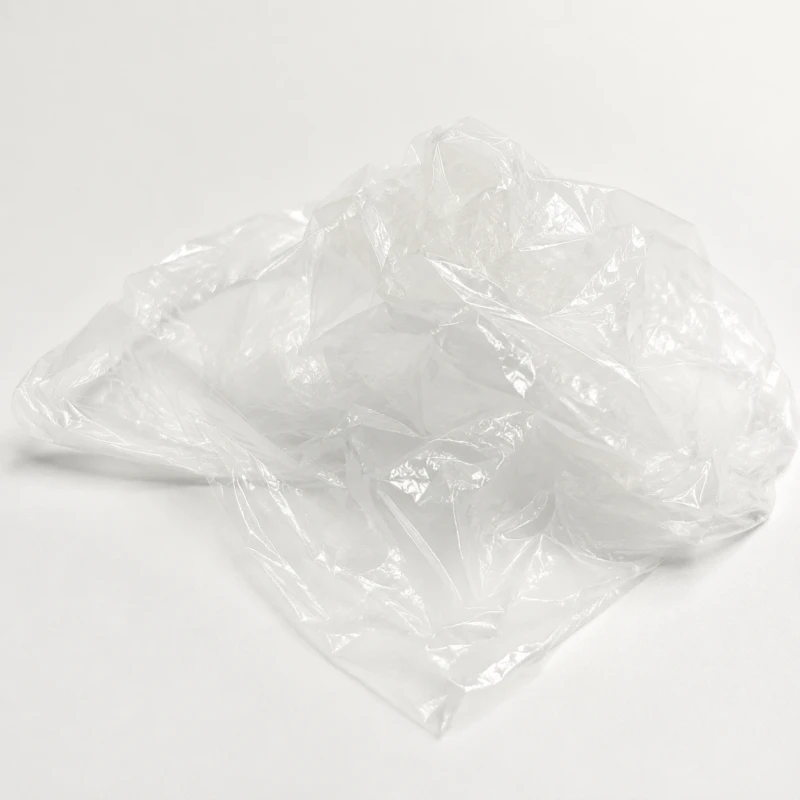
Flexible LDPE Film Sorting Solution
The Flexible LDPE Film Sorting Solution is designed for plastic recycling facilities processing flexible packaging waste, post-consumer films, retail bags, and other low-density polyethylene (LDPE) film materials. These materials are lightweight, flexible, and easily folded or stretched, making them more difficult to feed, spread, identify, and separate than many rigid plastic items.
An effective LDPE film recycling line must address both material identification and physical handling. Depending on the composition of the incoming waste, the process may combine film opening, screening, contaminant removal, controlled feeding, optical sorting, and downstream cleaning. Near-infrared (NIR) sorting can help identify suitable target polymers in compatible feed conditions, while the overall line design must account for film overlap, surface contamination, moisture, and other factors that can affect detection and separation.
Challenges in Flexible LDPE Film Recycling
Flexible plastic films often arrive as compacted bales, tangled sheets, folded bags, or mixed packaging waste. Unlike rigid containers, thin films can flutter, cling to other materials, wrap around moving components, or pass through a sorting area in overlapping layers. These conditions can reduce the reliability of material identification and make it harder to separate LDPE from other polymers.
Post-consumer film waste may also contain PP woven bags, HDPE films, multilayer packaging, labels, paper, food residues, soil, and other unwanted materials. The correct solution depends on whether the facility needs to recover an LDPE-rich stream from mixed flexible plastics, remove non-target polymers from an LDPE stream, or prepare material for washing and pelletizing.
| Sorting Challenge | Effect on Recycling | Solution Consideration |
|---|---|---|
| Folded and overlapping films | Material surfaces may be hidden, making identification less reliable. | Use suitable film opening, spreading, and controlled feeding methods before sorting. |
| Mixed LDPE, HDPE, and PP films | Mixed polymers can affect the consistency of the recovered material. | Define the target polymer and select compatible sorting stages for the actual feedstock. |
| Food residues, soil, and moisture | Contamination can interfere with detection and increase downstream cleaning requirements. | Assess whether screening, pre-cleaning, washing, or drying is needed before or after sorting. |
| Film tangling and equipment wrapping | Unstable material flow can interrupt continuous operation. | Design film handling, conveyor transitions, and maintenance access around flexible material characteristics. |
| Multilayer or laminated packaging | Some packages contain bonded layers that cannot be separated by identifying only the outer surface. | Evaluate multilayer content separately and avoid assuming conventional NIR sorting can recover each layer. |
How the Flexible LDPE Film Sorting Solution Works
The process begins with an assessment of the incoming film waste. Material from agricultural collection, commercial packaging, distribution centers, and household waste can differ significantly in polymer composition, contamination, moisture, and physical condition. These differences determine the required preparation and sorting sequence.
After suitable pre-treatment, the film is fed into a sorting stage designed for the material's physical form. Where NIR sorting is used, sensors analyze the spectral response of exposed material surfaces to identify polymers within the system's detection capability. The control system then directs the selected material toward the appropriate output using the equipment's configured separation mechanism. Reliable performance depends on sufficient material presentation, suitable film dimensions, and the ability to distinguish target items from overlapping or contaminated material.
| Process Stage | Main Operation | Purpose |
|---|---|---|
| Feedstock Inspection | Review film type, contamination level, packaging format, and material condition. | Establishes the target material and appropriate processing route. |
| Film Opening and Preparation | Separate compacted or tangled film where necessary and remove unsuitable oversized contaminants. | Improves material flow and helps expose film surfaces for subsequent sorting. |
| Controlled Feeding | Distribute the prepared film in a suitable, consistent flow. | Reduces excessive overlap and unstable presentation at the detection stage. |
| Material Identification | Use a suitable optical or sensor-based sorting system to identify target and non-target materials. | Supports separation according to the selected polymer and sorting objective. |
| Separation and Collection | Route identified material into target and reject streams using the configured separation mechanism. | Produces an LDPE-rich stream or removes selected non-target materials. |
| Downstream Processing | Send sorted films to further inspection, washing, drying, size reduction, or densification as required. | Prepares the recovered material for the next recycling stage. |
Which Flexible Plastic Materials Can Be Sorted?
The main objective of this solution is to recover or improve the purity of an LDPE film stream. Depending on the incoming waste and selected equipment, the process may handle packaging films, shopping bags, stretch films, shrink films, and other flexible LDPE materials. Not all films have the same composition, however, and the sorting configuration must reflect the difference between single-polymer films and complex flexible packaging.
Some flexible products are made from several bonded polymer layers, while others include printed inks, coatings, adhesives, or barrier materials. Conventional optical sorting may identify the exposed surface rather than determine the complete internal structure of a multilayer package. Material testing is therefore important when the feedstock contains laminated packaging or films with unknown compositions.
| Material Type | Sorting Objective | Important Consideration |
|---|---|---|
| LDPE Packaging Film | Recover LDPE-rich material from compatible mixed film waste. | Film overlap, contamination, and the condition of the exposed surface affect sorting. |
| Stretch and Shrink Film | Separate suitable PE films from non-target flexible materials. | Thin, stretched, or tangled film may require careful feeding and handling. |
| Mixed LDPE and HDPE Film | Improve separation between different polyethylene film fractions where the system can distinguish them. | The material presentation and sensor capability must be suitable for the required distinction. |
| Mixed Flexible Packaging | Recover compatible target films from a broader packaging stream. | Multilayer structures and heavily contaminated items may need separate treatment or rejection. |
| Agricultural LDPE Film | Recover suitable film after removal of soil, plant residues, and other contaminants. | Heavy dirt and moisture often make pre-cleaning and washing important parts of the process. |
Choosing the Right Sorting Configuration
There is no single sorting arrangement that suits every flexible LDPE recycling project. Clean production scrap may require a relatively simple process, while post-consumer film collected from households or commercial waste can require extensive opening, contaminant removal, and cleaning before polymer identification is reliable.
The target output also matters. Some facilities need to remove non-LDPE items from a mostly LDPE stream, while others need to recover LDPE from a mixed flexible packaging stream. A system designed for one objective should not automatically be assumed to deliver the same results for the other. The line should be configured around the incoming composition, the required output purity, and the intended downstream use.
| Recycling Scenario | Recommended Process Focus | Configuration Consideration |
|---|---|---|
| Clean Industrial Film Scrap | Controlled feeding and separation of known material mixtures. | Confirm whether dedicated polymer sorting is necessary for the existing scrap stream. |
| Post-Consumer Packaging Film | Film opening, contaminant removal, polymer sorting, and downstream cleaning. | Incoming contamination and multilayer packaging may require additional process stages. |
| Agricultural Film Recovery | Removal of soil and plant residues before effective material recovery. | Evaluate washing, drying, and handling requirements based on contamination levels. |
| Mixed Flexible Plastic Recycling | Separate the target LDPE fraction from selected non-target materials. | Determine which materials can be reliably identified and which require other technologies. |
Integration into a Flexible Film Recycling Line
Flexible LDPE film sorting should be integrated with equipment that can handle lightweight, easily entangled material. Depending on the incoming waste, a line may include bale opening, manual inspection, screening, film-specific conveying, contaminant removal, optical sorting, washing, drying, and densification or pelletizing. Not every facility needs every stage, and the order should be selected according to the material condition and the required output.
For heavily contaminated post-consumer film, removing soil, organic residues, and other unwanted materials may be necessary before the final recovery stage. For relatively clean industrial scrap, the process may focus more on consistent feeding and separation. Where polymer identification is required, NIR sorting can be considered when the film's surface and presentation are suitable for detection.
Facilities processing different film categories may also evaluate a dedicated LDPE film sorting solution as part of a broader film recycling strategy. The appropriate equipment combination depends on whether the plant is handling single-polymer film, mixed flexible packaging, or contaminated agricultural material.
Before finalizing the line, evaluate conveyor transitions, film wrapping risks, access for cleaning and maintenance, dust management, and the collection of target and reject materials. These practical design details can be as important as the sensor selection in maintaining stable operation.
Applications of Flexible LDPE Film Sorting
This solution can support a range of film recovery operations, provided the feedstock is compatible with the selected handling and sorting technology. Each application has different requirements for contamination removal, polymer identification, and preparation for further recycling.
| Application | Typical Requirement | Process Value |
|---|---|---|
| Commercial Packaging Film | Recover compatible LDPE-rich films from distribution and packaging waste. | Supports more consistent feedstock for downstream recycling. |
| Retail and Household Film | Manage mixed bags and flexible packaging with varying levels of contamination. | Provides a route for target film recovery when supported by suitable pre-treatment. |
| Agricultural Film Recycling | Prepare recovered film for sorting after removing soil and organic residues. | Helps organize the separation stage within a cleaning-focused recycling process. |
| Industrial Film Scrap | Handle known production scrap and separate non-target materials where necessary. | Can support more consistent recovery of reusable production material. |
Benefits of a Flexible LDPE Film Sorting Solution
A well-designed flexible film sorting line can improve the consistency of recovered LDPE by combining appropriate material handling with a suitable separation method. Better feeding and film presentation can help reduce overlap and make more material surfaces available for detection. Where sensor-based polymer sorting is appropriate, the process can also reduce reliance on manual identification alone.
The solution can be tailored to different sources of film waste, from relatively clean industrial scrap to more complex post-consumer material. By defining the target polymer and integrating sorting with suitable contaminant removal, recycling facilities can work toward output specifications that better match their downstream washing, reprocessing, or pelletizing requirements.
Actual performance depends on film composition, contamination, moisture, particle presentation, equipment configuration, and operating conditions. Sorting alone does not remove every contaminant or make heavily soiled film ready for extrusion. Washing, drying, additional separation, and quality testing may still be required.
Factors to Consider Before Selecting a System
A reliable project starts with representative feedstock testing. Flexible films vary in thickness, size, color, surface condition, polymer structure, and contamination. These properties affect handling, detection, and the feasibility of achieving the required separation result.
| Evaluation Factor | Questions to Review |
|---|---|
| Feedstock Composition | What proportions of LDPE, HDPE, PP, multilayer packaging, and other materials are present? |
| Film Presentation | Are films tangled, folded, compacted, or overlapping when they reach the sorting stage? |
| Contamination Level | How much soil, food residue, paper, labels, or other unwanted material is present? |
| Moisture and Cleaning Needs | Does the process require pre-cleaning, washing, or drying before sorting or further processing? |
| Target Output | Is the goal to recover LDPE, remove selected non-target films, or prepare material for a downstream process? |
| Capacity and Layout | What throughput is required, and how will conveyors, maintenance access, and reject collection be arranged? |
Frequently Asked Questions
Can NIR sorting identify LDPE film?
NIR sorting can identify many compatible polymer materials from their spectral response, including suitable LDPE films. However, identification depends on the sensor system, film presentation, surface contamination, overlap, and the material's structure. Performance should be confirmed using representative samples of the actual feedstock.
Can flexible LDPE film be sorted when it is wet or dirty?
Moisture, soil, food residues, and other surface contamination can interfere with material handling and may reduce sorting reliability. Depending on the condition of the feedstock and the selected technology, pre-cleaning, washing, or drying may be required.
Can the solution separate LDPE from HDPE and PP films?
A suitable sensor-based sorting system may distinguish compatible polymer types under appropriate conditions. The ability to separate LDPE, HDPE, and PP depends on sensor capability, film presentation, contamination, and the composition of the incoming stream. Sample testing is recommended before setting performance expectations.
Can multilayer packaging be separated into individual polymers?
Not necessarily. Many multilayer packages contain bonded layers that cannot be separated simply by identifying the exposed surface. These materials may need to be handled as a separate fraction or processed using a suitable specialized recycling method.
Does sorting eliminate the need for washing?
No. Sorting focuses on separating target materials from non-target materials. Films containing soil, food residues, oils, or other contaminants may still require washing and drying before further mechanical recycling or pelletizing.
How should a flexible LDPE film sorting line be evaluated?
The evaluation should use representative material under realistic operating conditions. Important measures include target-material recovery, output purity, throughput, reject composition, material losses, and operational stability. The results should be compared with the recycling facility's actual production and product requirements.
Customized Flexible LDPE Film Sorting Solutions
Every flexible film recycling project has different feedstock conditions, contamination levels, plant layouts, and output requirements. A suitable Flexible LDPE Film Sorting Solution should therefore be designed around the actual material stream rather than applying the same configuration to every type of film waste.
Whether you process commercial packaging film, post-consumer flexible plastics, agricultural film, or industrial LDPE scrap, a feedstock assessment can help determine the necessary handling, cleaning, and sorting stages. Share your film type, contamination level, target output, and expected throughput to identify a practical process configuration.
Contact our team to discuss your flexible LDPE film recycling requirements and explore a sorting solution that fits your production line.