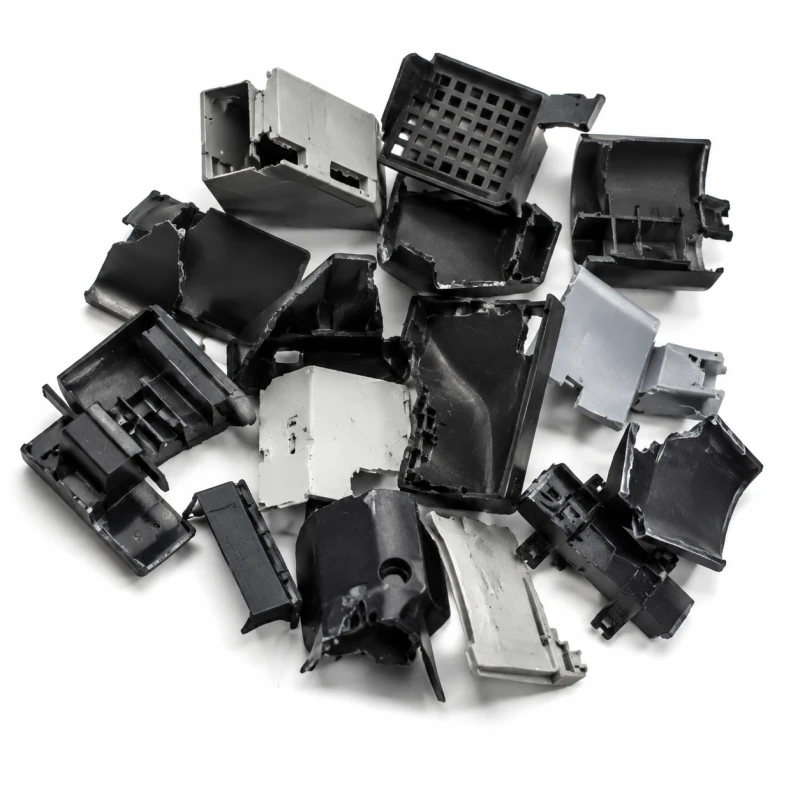
Electrostatic ABS/PS Separation Solution
The Electrostatic ABS/PS Separation Solution is designed for plastic recycling facilities that need to separate acrylonitrile butadiene styrene (ABS) from polystyrene (PS) in mixed rigid plastic streams. These engineering plastics are commonly found in electrical and electronic equipment housings, household appliances, consumer products, and other durable plastic components. When ABS and PS are recycled together, differences in material properties and end-use requirements can make effective polymer separation an important step in producing more consistent recycled plastics.
Electrostatic separation uses differences in the electrical charging and surface behavior of prepared plastic particles to help separate polymers that may look similar. When the feedstock is properly prepared and operating conditions are suitable, the system can direct ABS-rich and PS-rich materials into separate output streams. The solution can be incorporated into a larger recycling process to complement mechanical size reduction, metal removal, screening, and other plastic sorting technologies.
Why Is ABS/PS Separation Important?
ABS and PS can occur together in mixed plastic waste, particularly in waste electrical and electronic equipment (WEEE), appliance plastics, and recovered rigid plastic fractions. Although some pieces may be distinguishable by shape or appearance, visual sorting alone is not always sufficient to identify the polymer reliably. Mixing different plastics can also affect the mechanical properties, processing behavior, and consistency of recycled material.
Separating ABS from PS helps recyclers produce more defined polymer streams for downstream processing and potential reuse. The value of separation depends on the purity of the incoming material, the condition of the recovered plastics, the intended application, and the specifications required by the buyer.
| Recycling Challenge | Potential Impact | Role of Electrostatic Separation |
|---|---|---|
| ABS and PS mixed in one feedstock | Inconsistent polymer composition in the recovered material | Helps divide a suitable prepared mixture into polymer-rich output streams. |
| Similar colors and appearances | Visual inspection may not provide reliable polymer identification. | Uses differences in electrostatic behavior rather than relying only on visible appearance. |
| Mixed plastic fractions from dismantling and shredding | Additional preparation may be needed before polymer recovery. | Can serve as a dedicated polymer-separation stage after appropriate material preparation. |
| Changing feed composition | Separation results may vary with material condition and composition. | Allows process settings and feed preparation to be optimized for the actual material mixture. |
How Does Electrostatic ABS/PS Separation Work?
Electrostatic separation relies on differences in how plastic particles acquire, retain, or respond to electrical charge. In a typical process, mixed plastics are first reduced to a suitable particle size and prepared so that the particles can be handled consistently. A charging stage then creates different electrical responses under selected operating conditions. When the charged particles enter an electric field, their movement or collection behavior can differ, allowing the system to separate material fractions.
The actual separation mechanism depends on the equipment design. Triboelectric systems, for example, use contact and friction between materials or with selected surfaces to develop different charges. Other electrostatic arrangements may use different charging or electrode configurations. ABS and PS separation performance is not determined by polymer names alone: formulation, additives, surface contamination, humidity, particle size, and charging conditions can all influence the result.
| Process Stage | What Happens | Purpose |
|---|---|---|
| Material Preparation | Mixed rigid plastics are inspected, cleaned as needed, and reduced to a suitable particle size. | Creates feedstock that can be handled and charged more consistently. |
| Screening and Contaminant Removal | Oversized pieces, fines, and unwanted non-plastic materials are removed where necessary. | Improves feed consistency and reduces interference during separation. |
| Particle Charging | Prepared particles are charged through the method used by the selected system. | Develops differences in electrical behavior between suitable material fractions. |
| Electrostatic Separation | Charged particles respond to the separation field and are directed into different collection areas. | Separates ABS-rich and PS-rich fractions where the feed and operating conditions permit. |
| Output Inspection | The separated fractions are sampled and checked for polymer composition and contamination. | Determines whether further separation or additional cleaning is needed. |
What Materials Can Be Processed?
The solution is intended for suitable prepared mixtures of ABS and PS, particularly rigid plastic fractions recovered from appliances, electronics, and consumer products. Depending on the source material and system configuration, the feed may include shredded housing plastics, dismantled appliance components, or mixed rigid plastic flakes.
Real-world recycling feedstock may also contain polypropylene (PP), polyethylene (PE), polycarbonate (PC), PVC, rubber, metals, labels, coatings, and other materials. These components may affect the charging process or contaminate the separated products. Electrostatic ABS/PS separation should therefore be designed around the actual feed composition, and additional sorting stages may be required for complex mixtures.
| Feedstock Type | Separation Objective | Key Consideration |
|---|---|---|
| Electronic Equipment Plastics | Separate ABS-rich and PS-rich fractions from suitable recovered plastic mixtures. | Remove metal parts, wires, and other non-plastic contaminants before separation where required. |
| Appliance Housing Plastics | Improve polymer consistency in recovered rigid plastic streams. | Paint, coatings, flame retardants, and mixed resin formulations may affect processing and final reuse options. |
| Mixed ABS/PS Flakes | Separate prepared plastic flakes into distinct polymer-rich fractions. | Particle size, surface condition, moisture, and charging behavior need to be evaluated. |
| Mixed Rigid Plastic Waste | Recover ABS and PS from a broader mixture as part of a multi-stage recycling process. | Other polymers may require pre-sorting or additional separation technologies. |
Feed Preparation for Reliable Separation
Feed preparation is a critical part of electrostatic ABS/PS separation. Large pieces, attached metal parts, rubber components, dust, and other contaminants can interfere with charging, material transport, or the quality of the output. Shredding and screening should produce a reasonably consistent particle size that matches the capabilities of the selected system.
Moisture and surface contamination can change the electrical behavior of plastic particles. Depending on the process, drying or other conditioning may be necessary before charging. Material with different additives, pigments, flame retardants, coatings, or multilayer structures should also be assessed because these characteristics may affect separation behavior and the suitability of the recovered polymer for its intended use.
Where the incoming waste contains a broad range of plastics, preliminary sorting can reduce the complexity of the feed before the ABS/PS separation stage. The best preparation sequence depends on whether the material comes from dismantled products, shredded appliance waste, or an established mixed-plastic recycling line.
Integration into a Plastic Recycling Line
An electrostatic ABS/PS separation stage is usually considered after suitable dismantling, size reduction, and removal of unwanted materials. The exact location depends on the feedstock and whether the plant is designed to recover specific engineering plastics or process a broader mixed-plastic stream.
A typical process may include receiving and inspection, dismantling where applicable, shredding, magnetic or other metal removal, screening, cleaning and drying as needed, electrostatic separation, and output quality control. Additional optical or sensor-based sorting may be used before or after electrostatic treatment when other polymer types or visible contaminants must be removed.
The process should also account for dust control, safe equipment operation, collection of separated fractions, and appropriate handling of rejected material. The final layout should be established after evaluating the material properties, plant capacity, available space, and the specifications of the desired recycled products.
Applications of Electrostatic ABS/PS Separation
Electrostatic ABS/PS separation can support recycling operations that recover engineering plastics from mixed rigid plastic waste. Its suitability depends on the composition and condition of the material, the required product quality, and the separation capability demonstrated during testing.
| Application | Sorting Requirement | Potential Benefit |
|---|---|---|
| WEEE Plastic Recycling | Recover ABS and PS from prepared plastic fractions derived from electrical and electronic waste. | Supports more targeted recovery of engineering plastics. |
| Household Appliance Recycling | Separate suitable ABS and PS components from shredded appliance plastics. | Helps reduce polymer mixing in recovered rigid plastics. |
| Engineering Plastic Recovery | Produce polymer-rich fractions for further processing and quality assessment. | Can improve material consistency when separation targets are achieved. |
| Mixed Rigid Plastic Processing | Add a dedicated ABS/PS separation stage to a multi-technology recycling line. | Provides another option for recovering selected polymers from complex waste streams. |
Benefits of an Electrostatic ABS/PS Separation Solution
The primary advantage of electrostatic separation is its ability to separate suitable plastic mixtures based on electrical behavior rather than visible color alone. This is valuable when different polymers have similar appearances but need to be recovered as separate material streams.
When feed preparation and operating conditions are well controlled, the process can support automated material recovery and reduce dependence on manual polymer identification. Separating ABS-rich and PS-rich fractions may also help recycling facilities develop more consistent feedstock for subsequent processing, compounding, or sale to material users.
However, performance is highly dependent on the actual feedstock. Mixed resin formulations, additives, moisture, contamination, particle size, and charging conditions can all affect separation efficiency and product purity. Recovery rate, output quality, and economic benefit should be confirmed through representative material testing rather than assumed from the technology type alone.
Factors to Consider When Selecting a System
Selecting an appropriate system requires more than confirming that ABS and PS are present in the feed. The recycling facility should define its material composition, preparation method, output quality targets, and expected throughput before determining the equipment configuration.
| Evaluation Factor | What to Check |
|---|---|
| Polymer Composition | Determine the proportions of ABS, PS, and other polymers in the incoming material. |
| Particle Size and Shape | Confirm that the prepared flakes or particles fall within the equipment's suitable operating range. |
| Moisture and Surface Condition | Assess whether drying, cleaning, or other conditioning is needed to achieve stable charging behavior. |
| Additives and Coatings | Review pigments, flame retardants, coatings, and mixed formulations that may influence separation or end-use suitability. |
| Output Purity and Recovery | Define acceptable contamination levels and material loss for each separated fraction. |
| Plant Integration | Check throughput, floor space, power supply, dust control, material handling, and reject collection. |
Frequently Asked Questions
Can electrostatic separation separate ABS from PS?
Yes, electrostatic separation can be used to separate suitable ABS/PS mixtures when their charging behavior differs sufficiently under the selected process conditions. Actual performance depends on polymer formulation, particle condition, moisture, feed preparation, and equipment configuration. Representative sample testing is recommended before confirming expected results.
Does the process work with whole plastic products?
Electrostatic separation is generally applied to prepared particles or flakes rather than intact, bulky products. Whole products usually require dismantling, shredding, screening, and removal of unsuitable components before the material can be processed effectively.
Why are shredding and drying important?
Shredding helps create particles that can be fed and separated consistently, while screening can remove unsuitable sizes and fines. Moisture and surface contamination may change electrical charging behavior, so drying or cleaning may be needed depending on the material and process.
Can the system separate ABS and PS from every mixed plastic stream?
No. A feed containing many polymers, rubber, metals, coatings, or composite materials may require several preparation and sorting stages. The effectiveness of ABS/PS separation should be evaluated using the actual feedstock and the intended output specifications.
Can electrostatic separation replace optical sorting?
Not in every application. Optical sorting is useful for identifying selected materials through visible or spectral characteristics, while electrostatic separation uses electrical behavior. The technologies address different separation needs and can complement each other in a multi-stage recycling line.
How can the expected separation performance be verified?
Use representative samples from the intended production stream to assess output purity, recovery, throughput, and process stability. Testing should reflect the expected particle size, moisture, contamination level, and material composition so the results are relevant to actual plant operation.
Customized Electrostatic ABS/PS Separation Solutions
Every recycling facility handles a different combination of plastic products, polymer formulations, contaminants, and particle sizes. An effective Electrostatic ABS/PS Separation Solution should therefore be developed around the actual feedstock, preparation process, production capacity, and recycled material requirements.
Whether you are recovering plastics from waste electrical and electronic equipment, household appliances, or mixed rigid plastic flakes, a material assessment can help determine the suitable preparation sequence and separation configuration. Share your feed composition, particle size, moisture condition, target output purity, and expected throughput to help define a practical solution.
Contact our team to discuss electrostatic ABS/PS separation and explore how it may fit into your plastic recycling process.