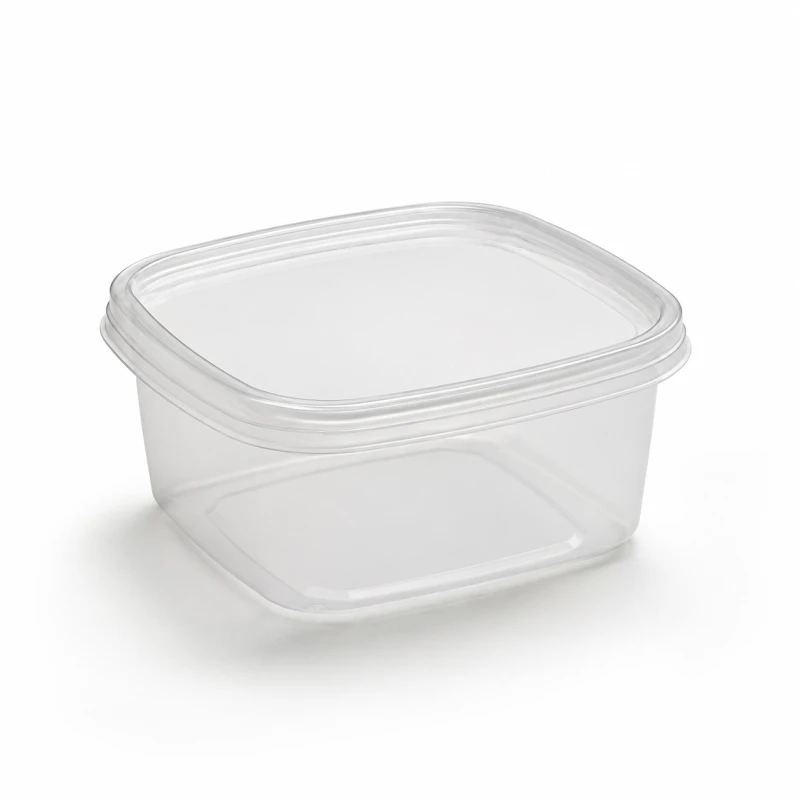
What Is a PP Sorting Machine?
A PP sorting machine is an advanced industrial device designed to automatically separate polypropylene (PP) plastics from mixed waste streams, using a combination of optical sensors, near-infrared (NIR) technology, and high-speed air ejection systems. Often referred to as a polypropylene sorting machine or a PP sorter, this equipment plays a crucial role in modern recycling and manufacturing operations where large volumes of plastic waste need to be processed efficiently. The machine scans each item on a fast-moving conveyor belt, analyzing material composition based on molecular signatures that are unique to polypropylene. When the system detects a PP object—such as a bottle cap, a food container, or a woven bag—it triggers a precise blast of compressed air to divert that item into a dedicated collection chute. Meanwhile, non-PP materials continue along the belt to be sorted separately. This process occurs in a fraction of a second, allowing the machine to handle thousands of kilograms of material per hour with minimal human intervention.
The core components of a PP sorting machine include a feeder system to ensure even material distribution, a set of NIR cameras or color sensors that capture detailed spectral data, a high-performance computer processor that executes real-time classification algorithms, and an array of solenoid valves connected to air jets. The conveyor belt itself is designed to maintain consistent speed and material spread, which is critical for accurate detection. In addition to NIR systems, some advanced PP sorters incorporate visible-light cameras to sort by color, enabling operators to produce not only pure PP streams but also color-sorted fractions for higher-value applications. The level of precision achieved by these machines directly affects the purity of the final sorted product. For example, a sorting purity of 99 percent or higher means that nearly all contaminants are removed, making the PP flakes suitable for extrusion into pellets used in new packaging, automotive parts, or textiles. Without such a machine, recycling facilities would rely on slower, less accurate methods that often result in lower-quality output and higher operational costs.
How Does a PP Sorting Machine Sort Plastics?
The sorting sequence of a PP sorting machine begins with material feeding and ends with two fully separated streams of plastics, and this entire cycle occurs automatically at line speeds of up to three meters per second. First, mixed plastic waste is loaded onto a vibrating feeder or infeed conveyor, which spreads the material into a single-layer, evenly distributed stream. This even distribution is essential because overlapping items can confuse the sensors and reduce detection accuracy. As the materials travel under the sensor array, NIR cameras emit infrared light and measure the reflected spectrum; PP has a distinct absorption pattern at specific wavelengths that the software recognizes. Simultaneously, color cameras capture visual information to help differentiate items that have similar NIR signatures but different colors. In milliseconds, the onboard computer processes this data and compares it against a preprogrammed library of polymer signatures, deciding whether each item is PP or not. When a positive identification is made, the computer sends a signal to one or more air jet valves positioned downstream, which release a burst of compressed air aimed exactly at the detected item, diverting it into a separate chute. Non-PP materials continue along the conveyor belt to a residual stream for further sorting or disposal.
This high-speed operation relies on several technological factors that work together. The air jets must be precisely timed so that the burst of air reaches the item at the exact moment it passes in front of the nozzle. The system also includes a feedback loop that monitors the sorting performance and can adjust parameters such as air pressure, belt speed, and sensor sensitivity in real time. Some PP sorting machines feature multiple detection channels—typically two to eight—which allow them to sort by both polymer type and color simultaneously. For instance, a machine might separate transparent PP from white PP, collect dark-colored PP separately, and eject all non-PP materials into a fourth stream. This multi-stream capability significantly increases the value of the recovered materials because sorted-by-color PP flakes command higher prices on the secondary market. Moreover, modern sorting machines incorporate self-cleaning mechanisms for the sensor windows and air nozzles to reduce downtime caused by dust or sticky residues. The overall design emphasizes both throughput and purity, making these machines indispensable for large-scale plastic recycling facilities that aim to meet stringent quality standards demanded by downstream processors.
What Plastics Can a PP Sorting Machine Detect?
A PP sorting machine is specifically engineered to detect polypropylene in its many forms, including rigid items like bottle caps, yogurt cups, crates, buckets, and automotive interior trims, as well as flexible materials such as woven bags, straps, and thin films used in packaging. The machine’s NIR sensors identify PP by its unique molecular vibration pattern, which is distinct from other common polymers like polyethylene (PE), polystyrene (PS), and polyethylene terephthalate (PET). However, the detection success depends heavily on the condition of the item’s surface. Clean, light-colored PP items produce a strong sensor signal and are easy to sort. In contrast, dark-colored or black PP parts absorb much of the NIR light, resulting in a weak or no signal, which can cause the item to be missed or ejected incorrectly. Similarly, items that are heavily contaminated with food residues, adhesives, or dirt may scatter the light or mask the underlying polymer signature, reducing detection accuracy. Another challenge appears when dealing with PP that contains high concentrations of fillers, such as talc or glass fibers, because these additives alter the material’s spectral response. In such cases, advanced sorting systems that combine NIR with laser-induced breakdown spectroscopy (LIBS) or X-ray transmission can be used to improve detection, but these are typically add-on options rather than standard features.
When it comes to differentiating between virgin and recycled PP grades, the machine can sometimes distinguish them based on slight variations in chemical composition or the presence of trace contaminants. Recycled PP often shows a broader or shifted absorption peak due to additives or degradation, and modern software algorithms are capable of recognizing these patterns. However, the differentiation is not always perfect, especially when recycled and virgin PP are mixed together in the same waste stream. Furthermore, the machine may struggle with polymers that are very similar to PP at the molecular level, such as low-density polyethylene (LDPE) or high-density polyethylene (HDPE). Their NIR spectra share overlapping regions, making it possible for a standard PP sorting machine to mistakenly classify PE items as PP if the sensor thresholds are not carefully calibrated. To mitigate this, operators can fine-tune the sensitivity settings and use a combination of detection technologies. For example, adding a second NIR camera that covers a different wavelength range helps separate PP from PE more reliably. Despite these limitations, a PP sorting machine remains the most effective automated solution for recovering high-purity polypropylene from mixed waste streams, especially when the input stream is pre-screened to remove large contaminants and heavy metals.
Can It Detect Multi-Layer Plastics?
Multi-layer plastics that contain a PP core can be detected by a PP sorting machine, provided that the outer layers are sufficiently thin to allow the NIR signal to penetrate and reflect back. Common examples include packaging films where PP is the main structural layer, laminated with a thin sealant layer such as a coextruded polyolefin. In these cases, the NIR sensor can still read the PP signature through the top layer, especially if the outer layer is less than about 20 micrometers thick. However, when the outer layer consists of opaque materials, heavy metallization like aluminum foil, or thick coatings like ethylene vinyl alcohol (EVOH), the sensor beam is blocked or severely scattered. As a result, the machine may fail to detect the PP core, and the whole multi-layer item is likely to be classified as non-PP and rejected. The same issue arises with items that have a PP outer layer but a different core material, such as a PP-coated paper cup. In that situation, the sensor sees the PP surface but the underlying paper or cardboard can distort the signal, sometimes leading to a false positive or false negative. To handle these challenging items, some facilities combine a PP sorting machine with a downstream manual inspection station or a second sorting step that uses density separation or electrostatic separation. While the machine is not perfect for every multi-layer scenario, it still captures a high percentage of PP materials in typical post-consumer waste, making it a valuable tool for improving overall recycling efficiency.
PP Sorting Machine Specifications
The technical specifications of a PP sorting machine determine its suitability for different operational scales and material compositions. Throughput capacity is one of the most critical parameters, typically ranging from 1,000 to 5,000 kilograms per hour. This figure depends on the machine’s sorting width, belt speed, and the number of processing channels. For instance, a machine with a 2,400-millimeter sorting width and eight channels can process larger volumes than a narrower, two-channel model. Sorting width itself varies from 800 to 2,400 millimeters, affecting how wide the material bed can be without compromising sensor coverage. Another important specification is purity, which is the proportion of PP in the sorted product stream. High-quality PP sorting machines consistently achieve purity levels of 99 percent or higher when processing clean, pre-sorted feed. Power consumption is also a consideration, with typical values between 5 and 15 kilowatts, depending on the number of air jet valves, conveyor belts, and lighting systems. The machines are designed for continuous operation in harsh industrial environments, so their enclosures often meet IP54 or IP55 ratings for dust and moisture protection.
Beyond these primary specifications, other features worth noting include the number of sorting fractions, the type of sensor technology, and the user interface. Most commercial PP sorting machines can sort into two to eight fractions, meaning they can separate PP by color or grade into different bins in a single pass. The sensor head may include NIR, visible-light cameras, or both, and some models offer modular designs that allow upgrading to more advanced sensors later. The control system is usually a touchscreen panel with intuitive software that stores recipes for different waste types, enabling quick changeovers. Additionally, belt material and design affect wear and cleaning frequency—polyurethane belts with a smooth surface are common because they resist sticking. Air pressure requirements range from 0.6 to 0.8 megapascals, and compressed air consumption per hour can be significant, so an on-site compressor is often necessary. These specifications should be matched against the plant’s available utility infrastructure, floor space, and material handling capabilities. When properly configured, a PP sorting machine becomes a central piece of equipment that generates a consistent supply of high-purity polypropylene, justifying the initial investment through reduced labor costs and higher material recovery rates.
PP Sorting vs. Density- or Manual-Based Sorting
PP sorting machines offer distinct advantages over traditional density-based separation and manual sorting approaches, particularly in terms of accuracy, speed, and operational cost. In a density-based system, materials are separated by their specific gravity using water tanks or air classifiers. Because PP has a density of about 0.90 to 0.91 grams per cubic centimeter, it floats in water, while denser plastics like PET and PVC sink. However, this method has a typical accuracy of only 70 to 85 percent because lightweight contaminants like paper labels, wood, and foam can also float, and certain heavy plastics can trap air and remain suspended. The process is also moderate in speed, as materials must be submerged and then dewatered, adding time and complexity. In contrast, a PP sorting machine delivers consistent purity levels of 99 percent or higher, operates at high speed without requiring water or drying steps, and produces a directly usable product. The labor cost is much lower because the machine runs autonomously, needing only periodic monitoring and maintenance. For high-volume, mixed-waste processing, the automated PP sorter clearly outperforms density systems.
Manual sorting relies on human workers standing at conveyor belts to visually identify and pick out PP items. While human pickers can achieve 80 to 90 percent accuracy when handling simple, well-lit streams, their speed is inherently low—typically handling 30 to 60 picks per minute per person. Fatigue, distraction, and variability between workers cause accuracy to drop over time, and labor costs are high, especially in regions with strict wage regulations. Moreover, manual sorting is not feasible for the throughput levels required in modern recycling facilities, which often process 10 to 30 tons of material per day. The PP sorting machine eliminates these problems by offering consistent, repeatable performance around the clock. It also handles sorting tasks that are impossible for manual workers, such as distinguishing between PP and PE based on subtle spectral differences or processing items at high speed. While manual sorting remains useful for small batches or exceptionally complex items that require human judgment, for industrial-scale operations the PP sorter delivers a clear return on investment through higher purity, lower labor costs, and increased throughput. Therefore, a facility processing more than a few tons per day of mixed plastic waste should seriously consider adopting automated PP sorting technology to remain competitive and sustainable.
What Industries Use PP Sorting Machines?
Plastic recycling facilities represent the largest user group for PP sorting machines, as these plants need to produce clean PP flakes that can be sold to compounders for pellet production. In recycling, the machine is typically integrated after a shredder and a wash line, where it receives a stream of mixed post-consumer plastics such as bottles, caps, and food containers. By removing contaminants like PET bottles, HDPE jugs, and impurities like metal or glass, the PP sorter ensures that the final output meets the specifications required by end-users such as manufacturers of automotive parts, garden furniture, and household goods. Packaging manufacturers are another major industry that uses PP sorters, often placing them inline on their production floor to reclaim production waste. For example, a facility that produces PP bottle caps may generate trim waste, rejected caps, or start-up scrap; a sorting machine recovers this material instantly and feeds it back into the extrusion process, reducing raw material costs and landfill disposal. Similarly, operations that mold PP crates, pallets, or automotive components use sorting systems to separate good parts from scrap, while also separating different color grades for reuse.
Automotive component producers use PP sorting machines to handle end-of-life vehicle scrap, which contains a mix of plastics from dashboards, bumpers, door panels, and interior trim. Shredding a car yields a complex mixture that includes PP along with ABS, polyamide, and rubber. A PP sorting machine can isolate the PP fraction, which is then recycled into new parts like battery housings or air intake ducts. Without such equipment, these valuable PP resources would be lost to incineration or low-grade applications. Textile and fiber producers also deploy PP sorting machines to separate PP fibers from mixed textiles, especially when processing post-consumer carpet waste. The sorted PP fibers can be spun into nonwoven fabrics, geotextiles, or filling materials. Finally, waste management companies integrate PP sorters into their material recovery facilities (MRFs) to upgrade mixed plastic waste before it is sent to further processing or sold to recyclers. By increasing the purity of the PP fraction, they can command higher prices from end users and reduce the volume of material sent to landfill. Across all these industries, the adoption of PP sorting machines reflects a broader trend toward automated, data-driven recycling solutions that maximize resource recovery and minimize environmental impact.
How to Choose the Right PP Sorting Machine
Selecting the ideal PP sorting machine begins with a thorough assessment of your throughput needs, which are directly tied to the daily processing volume your facility handles. For example, a small recycling plant processing 10 tons per day would require a machine capable of at least 1,000 kilograms per hour, while a large MRF handling 50 tons per day would need a 5,000 kilograms per hour model. The machine’s sorting width and number of channels directly affect throughput, so it is essential to match these parameters to your material flow. The next factor is material composition—specifically, the level of contamination in your waste stream, the variation in colors and shapes, and the presence of challenging items like dark PP, films, or multi-layer packaging. For highly contaminated or complex streams, a multi-sensor machine that combines NIR with visible light or even laser scanning will provide the best accuracy. If your feedstock is relatively clean and uniform, a simpler NIR-only machine may suffice. Also consider whether you need to sort by color or just by polymer type, as this will influence your sensor choice and the number of sorting fractions.
Floor space and layout are practical concerns that can dictate machine selection. The conveyor width, overall length, and height of the sorting unit must fit within your existing building, with sufficient clearance around the machine for maintenance and material handling. Some machines come with compact footprints that allow integration into tight spaces, while others offer modular components that can be rearranged. Purity requirements are another critical decision point: if you are producing PP flakes for food-contact applications, you need a machine that can deliver 99.9 percent or higher purity, which usually means using advanced detection and multiple sorting passes. For less demanding uses, a purity of 97 percent may be acceptable. Finally, budget and return on investment play a major role. While a top-of-the-line PP sorting machine can cost several hundred thousand dollars, the savings from reduced labor, lower waste disposal fees, and higher material value often pay for the equipment within two to three years. Use the comparison table in this guide to weigh the performance of PP sorting machines against density and manual methods. Many manufacturers offer test runs or feasibility studies to demonstrate the machine’s performance on your specific material, so it is wise to request a trial before committing to a purchase. By systematically evaluating these factors, you can choose a PP sorting machine that delivers the best combination of throughput, purity, and cost efficiency for your operation.
FAQ
What is the typical lifespan of a PP sorting machine?
With proper maintenance, a PP sorting machine can last 10 to 15 years. The core components such as the NIR sensors, computer hardware, and structural frame are built for long-term reliability in industrial environments. However, certain consumable parts will require periodic replacement. Conveyor belts typically need to be changed every three to five years, depending on the abrasiveness of the material and the operating hours. Air jet valves, which are activated millions of times per year, may begin to wear after 5 to 8 million cycles and should be replaced proactively to maintain sorting accuracy. The optical windows of the sensors require regular cleaning to remove dust buildup; if neglected, the detection performance degrades. Manufacturers often provide a recommended maintenance schedule that includes monthly inspections of the air system, sensor calibration every six months, and a full software update annually. Following these guidelines will maximize the machine’s uptime and ensure consistent purity output over its entire lifespan. Furthermore, investing in a factory training program for your maintenance team helps prevent minor issues from escalating into expensive breakdowns. Many operators extend the life of their machines to 15 years or more by adhering to these practices and sourcing original spare parts.
Can a PP sorting machine handle wet or dirty plastics?
Yes, a PP sorting machine can process wet and moderately dirty plastics, but the accuracy will be lower compared to sorting clean, dry materials. Water on the surface of the items can scatter the NIR light, making the spectral signature less distinct, while dirt, mud, or food residues can create false readings. In practice, many recycling plants install a pre-washing step—such as a water rinse or a friction washer—to remove loose contaminants and reduce moisture content before sorting. Some PP sorters come equipped with integrated dust removal systems, including vacuum hoods or blow-off nozzles, that clean the material as it passes on the belt. These systems help maintain a reasonable detection rate even with moderately soiled feed, but they cannot fully compensate for heavy contamination. When the machine detects that the feed is too dirty, it may trigger an alarm or reduce belt speed to give the sensors more time to analyze each item. For applications where material cleanliness varies significantly, operators can adjust the sensitivity thresholds to avoid false positives caused by dirt. As a general rule, achieving the best purity output requires that the plastic stream is at least pre-sorted to remove large debris and that the moisture content is limited to surface-level wetness rather than water-logged conditions.
Is training required to operate a PP sorting machine?
Basic training is recommended for operators, but it is not extensive or lengthy. Most modern PP sorting machines are designed with user-friendly touchscreen interfaces that display real-time sorting data, graphs, and system status. Operators learn fundamental tasks such as setting belt speed, adjusting sensor thresholds for different material types, and calibrating air jet timing. Many manufacturers offer one- or two-day on-site training sessions, plus a detailed user manual that covers day-to-day operations and troubleshooting common issues. Remote support is also common—technicians can log into the machine via a secure internet connection to diagnose problems or fine-tune parameters. Because the sorting process is largely automated, the operator’s main responsibilities are monitoring material flow, performing quick visual checks of the sorted output, and performing routine cleaning of the sensor windows and belt. Advanced functions like reprogramming classification algorithms or integrating with a plant’s PLC require more specialized knowledge, but these tasks are typically handled by the manufacturer’s service team during commissioning or scheduled maintenance. Overall, a motivated operator with basic mechanical and computer skills can become proficient within one or two weeks of hands-on experience. This low training requirement is one of the advantages that makes PP sorting machines accessible even to facilities without highly specialized technical staff.