What Is an LDPE Sorting Machine?
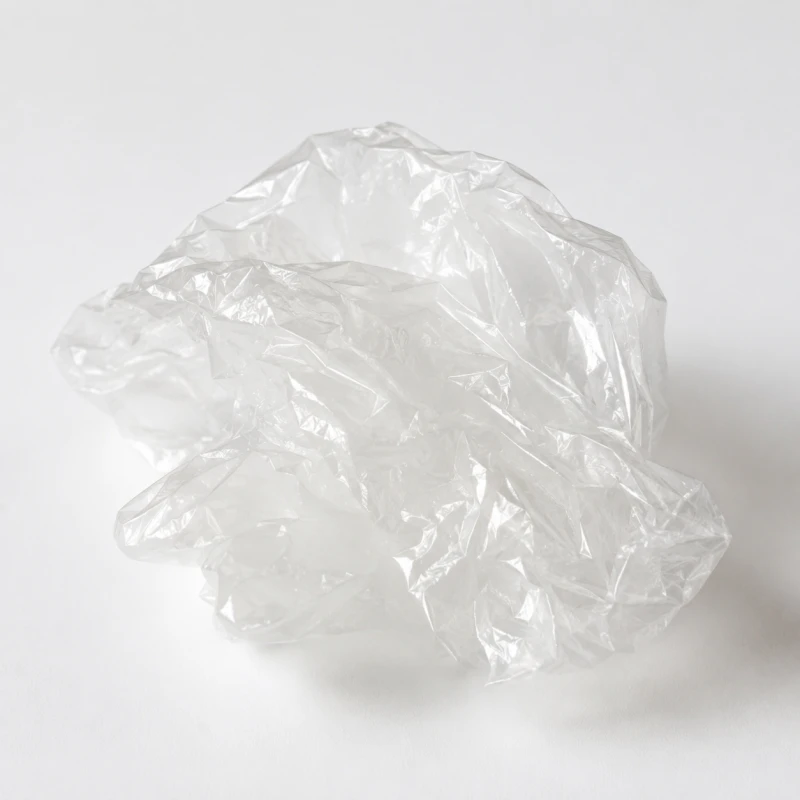
An LDPE sorting machine is an industrial system designed to automatically separate low-density polyethylene (LDPE) materials from mixed plastic waste streams. Also known as an LDPE sorter or flexible plastic sorter, this equipment uses advanced optical sensors and near-infrared (NIR) spectroscopy to identify and isolate LDPE items such as films, bags, and flexible packaging. The machine typically integrates a conveyor belt, sensor array, and high-speed air jets or robotic arms to physically divert LDPE from other plastics. This technology is particularly valuable because LDPE, being a lightweight and flexible polymer, is notoriously difficult to separate using conventional methods like sink-float tanks, where its density closely matches that of other polyolefins such as polypropylene. By relying on molecular-level spectral analysis, an LDPE sorter overcomes these limitations, delivering a consistent and high-purity output that recycling facilities can sell at premium prices. The system's design also accommodates varying feed rates, from small-scale operations processing a few hundred kilograms per hour to large industrial lines exceeding several tons. Modern LDPE sorting machines often incorporate machine learning algorithms that adapt to changing material compositions, improving detection rates for films that are crumpled, transparent, or lightly printed. For facility managers, the key advantage lies in the reduction of manual labor and the elimination of human error, which significantly boosts both throughput and the economic viability of recycling operations. As regulations tighten around plastic waste exports and landfill diversion, investing in an LDPE sorter becomes a strategic move for companies aiming to meet quality standards for recycled content in new products.
The core components of an LDPE sorting machine work in harmony to achieve this separation. The conveyor belt ensures that material moves at a controlled speed, typically between 2 and 4 meters per second, while a vibratory feeder spreads the waste evenly to prevent overlapping—a common issue with LDPE films that tend to cling together. Above the belt, an array of NIR sensors scans each particle, emitting light in the near-infrared spectrum and measuring how it is absorbed and reflected. Since LDPE has a distinct absorption pattern, particularly around 1.7 micrometers, the sensors can differentiate it from HDPE, PP, PET, and other common plastics within milliseconds. This data is sent to a central processor that triangulates the position of each detected LDPE piece. At that exact location, a bank of pneumatic nozzles—often numbering 32, 48, or 64 per meter—fires a jet of compressed air, blowing the LDPE fragment into a collection chute. Some advanced models use robotic pickers for larger items like whole bags, while air jet systems remain the industry standard for most applications. The entire detection and ejection cycle takes less than 50 milliseconds, allowing the machine to process thousands of particles per second without creating bottlenecks upstream. Understanding this mechanism helps buyers appreciate why an LDPE sorting machine offers such dramatic improvements over manual sorting or older density-based systems, especially when dealing with flexible packaging streams from municipal or commercial sources.
How Does an LDPE Sorting Machine Sort Plastics?
The sorting process follows a precise workflow that combines hardware precision with real-time computational analysis. Step one is material feed, where mixed plastics are evenly spread onto a vibrating feeder or conveyor belt to ensure consistent presentation. This initial stage is critical for LDPE films, which can easily form clumps or adhere to heavier items if not properly singulated. The feeder’s vibration frequency and amplitude are often adjustable, allowing operators to tune the flow for different material compositions, such as loose bags versus compacted bales. Step two involves detection: NIR sensors scan each particle, reading its unique spectral signature, while cameras may also capture color data for additional classification. The sensors are typically housed in a sealed module above the belt, protected from dust and debris, and they operate in wavelengths from 900 to 1700 nanometers. For LDPE, the signature shows a strong absorption peak near 1660 nm, which is distinct from the double peak seen in HDPE. Cameras add another layer—if the target material requires color sorting (e.g., removing dark films from clear LDPE), visible-light sensors help the system make that distinction. Step three is analysis: a computer processes the sensor data in milliseconds, matching signatures to LDPE's specific profile. The software often includes a library of dozens of polymer spectra, and modern systems use neural networks to improve accuracy over time, reducing false positives from contaminated items. Step four is ejection: once identified, high-speed air jets or mechanical diverters activate at exact positions, blowing or pushing LDPE pieces into a separate collection chute. The nozzle timing must be synchronized precisely with belt speed, which is why calibration is performed during installation and periodically audited afterward. Step five is verification: optional downstream sensors check the purity of the sorted LDPE fraction for quality control. Some facilities use a secondary pass through another sorter to catch any misses, achieving purity levels above 99% for critical applications like food-grade film recycling. Each step in this workflow is designed to maximize recovery while minimizing reject rates, making the LDPE sorting machine a cornerstone of modern plastic reclamation lines.
Understanding this workflow can also help operators troubleshoot common issues. For example, if the detected LDPE purity drops below 95%, the problem may lie in the feed stage, where overlapping materials prevent sensors from reading each particle cleanly. Adjusting feeder speed or installing a pre-screening deck to remove oversized contaminants can often resolve this. Similarly, if the ejection rate appears low for LDPE films, checking air pressure and nozzle alignment is a good first step, as films are lighter and may require softer air bursts to avoid being fragmented or misdirected. The verification stage provides continuous feedback; cameras or NIR sensors at the output chute can identify the percentage of non-LDPE items that slipped through, prompting an alert for maintenance. Many LDPE sorting machines also allow operators to adjust sensitivity parameters for specific jobs, such as increasing rejection aggressiveness when processing agricultural mulch films that contain high soil content. By treating the sorting machine as an integrated system rather than a collection of parts, facility managers can fine-tune each step to match their unique waste stream, maximizing both throughput and profitability. The closed-loop nature of this workflow, where output data informs input adjustments, is what sets modern optical sorting apart from older technologies that relied solely on physical properties like density or electrostatic charge.
What Plastics Can an LDPE Sorting Machine Detect?
An LDPE sorting machine is specifically tuned to detect low-density polyethylene, including films, bags, and flexible packaging. However, its capabilities extend to related polymers that share overlapping spectral features. Detectable plastics include LDPE itself, LLDPE (linear low-density polyethylene), and sometimes HDPE (high-density polyethylene) if spectral profiles overlap—particularly when the HDPE is in a thin film form or contains additives that blur the signature. In practice, this means a well-calibrated LDPE sorter can separate out the entire polyethylene family from a mixed stream, which is useful when the target output is a polyolefin-rich fraction rather than pure LDPE. The machine can also identify certain copolymers and blends, such as ethylene-vinyl acetate (EVA) at low vinyl acetate content, as their NIR patterns remain close to LDPE. For recycling facilities that handle post-consumer film waste from curbside collections, this detection range covers the majority of flexible packaging, including shopping bags, bubble wrap, and shrink film. The system’s ability to sort by polymer type rather than just density gives it a distinct advantage over sink-float methods, which cannot distinguish between LDPE and PP since both float in water. With an optical sorter, a facility can produce a PE-dominant stream that commands a higher market price, whether for extrusion into new film or for use in composite lumber products.
However, there are clear limitations that buyers must understand. An LDPE sorting machine cannot detect opaque black plastics without additives, because carbon black pigment absorbs nearly all NIR radiation, leaving the sensor with no reliable signal. This is a well-known challenge in the recycling industry, but some newer machines address it by incorporating mid-infrared (MIR) sensors or laser-induced breakdown spectroscopy (LIBS) for dark materials. Additionally, heavily multi-layer laminates with similar signatures—such as packaging that combines LDPE with ethylene vinyl alcohol (EVOH) or nylon—can confuse the sensor, leading to false rejects or missed items. Heavily contaminated materials, like films coated with metal (e.g., metallized snack bags) or sticky food residues, also cause issues because the surface layer masks the polymer’s spectral response. For these problematic items, pre-treatment steps like washing, grinding, or delamination may be necessary before the waste enters the sorter. Some recyclers choose to pair an LDPE sorting machine with a magnetic separator or eddy current separator to remove metals first, and then a density separator for heavy fractions before the optical stage. Knowing these limitations helps buyers plan their entire processing line, ensuring that the LDPE sorter operates within its optimal parameters and that non-detectable materials are diverted elsewhere. A realistic assessment of your input waste composition—especially the percentage of black plastics, laminates, and contaminants—is essential before selecting a specific machine model.
LDPE Sorting Machine Specifications
When evaluating an LDPE sorting machine, understanding its technical specifications is crucial for matching the equipment to your facility’s requirements. The throughput typically ranges from 1.5 to 5.0 tons per hour, depending on the sorting width and the density of the material being processed. For instance, a machine with a 1200-millimeter sorting width processing dense pellet fractions might achieve the higher end of this range, while the same machine running loose film waste could see throughput closer to 2 tons per hour due to the need for better singulation. Sorting width itself varies from 800 to 1600 millimeters, directly influencing how much material can be presented to the sensors in a single pass. A wider belt allows higher throughput but requires more powerful air jets and larger collection systems. The number of channels—ranging from 32 to 64—refers to the individual pneumatic valves that control the air jets; more channels allow finer granularity of ejection, which is especially important for small LDPE flakes in the 10-30 millimeter range. Sorting purity, expressed as a percentage, typically reaches 95% to 99% in well-tuned systems. Achieving the upper end often requires multi-pass sorting or the inclusion of a secondary verification stage. Power consumption ranges from 15 to 35 kilowatts, with larger installations consuming more due to additional conveyor motors, compressor demands, and sensor processing units. Facilities should also consider compressed air requirements, as each air jet may consume several liters per minute during operation, and a dedicated compressor with proper filtering is often necessary.
Another specification that buyers sometimes overlook is the minimum particle size the machine can handle. For LDPE sorting machines designed primarily for films, the minimum size may be around 20 millimeters, as smaller fragments become difficult for sensors to distinguish and air jets to target. If your waste stream includes substantial amounts of film shreddings under 10 millimeters, a larger pre-screen or a different sorter model with specialized optics may be required. The belt speed is another adjustable parameter, typically ranging from 2 to 4 meters per second. Slower speeds improve accuracy for small or irregular particles, while faster speeds boost throughput for uniform, large items. The sensor resolution, measured in pixels per millimeter, varies between models; high-resolution cameras and NIR sensors can distinguish particles down to 2 millimeters in size, which is beneficial for high-purity applications. Finally, the machine's physical footprint—including length, width, and height—must fit within your existing layout. Many LDPE sorters are modular, allowing for additional conveyor sections or sensor arrays to be added over time. By comparing these specifications against your feed material profile and output quality goals, you can make an informed decision that balances capital cost with operational efficiency. Always request test processing with your own material samples before committing to a purchase, as this provides real-world data on purity and recovery rates that spec sheets alone cannot guarantee.
LDPE Sorting vs. Density-Based Sorting
LDPE sorting relies on optical sensing for polymer identification, achieving high purity (95%+) that density-based methods struggle to match. The core principle of optical sorting is to target the chemical composition of each particle, using NIR light to read molecular bonds. This allows the machine to separate LDPE from PP, which has a similar density but a different spectral signature. In contrast, density-based sorting uses sink-float tanks or centrifuges to separate by weight; these systems can handle large volumes—often tens of tons per hour—but they cannot differentiate between LDPE and PP since both polyolefins have densities between 0.91 and 0.96 g/cm³ and both float in water. As a result, density-based sorting purity for LDPE streams often falls below 85%, meaning the output contains a significant fraction of PP and other light plastics that contaminate the recyclate. For applications requiring high-purity LDPE—such as food-grade film extrusion or medical packaging—this contamination is unacceptable. However, density sorting remains valuable as a pre-step to remove heavy contaminants like glass, metals, and PET, which sink in water and can be easily separated before the lighter fraction goes through the optical sorter. Many recycling facilities combine both technologies: first using a sink-float tank to remove heavies, then shredding the float fraction, and finally running an LDPE sorting machine to purify the polyolefin stream.
When to choose LDPE sorting over density-based methods depends on your specific output requirements. If you need high-purity LDPE recyclate for premium applications, or if your input contains mixed films, bags, and colored LDPE, an optical sorter is the clear choice. A company processing post-consumer film from curbside programs, for example, might find that density sorting alone leaves too much PP contamination, reducing the sale price of their product by 20-30%. By adding an LDPE sorter, they can achieve a 99% pure LDPE fraction that meets the specifications of film extruders. Conversely, if your goal is simply to separate plastics from organics and metals for energy recovery, density sorting may suffice at lower capital cost. The decision also hinges on material size: LDPE sorting machines work best with particles between 10 and 100 millimeters, while density systems can handle larger items like whole bottles without pre-shredding. In terms of operational costs, optical sorters have higher electricity and maintenance expenses due to compressor needs and sensor cleaning, but they also generate a higher-value product. A recycler treating 50 tons of mixed plastic waste per day might see an additional profit of $500 to $1000 daily by upgrading from density sorting to optical sorting for their polyolefin stream. Ultimately, the optimal solution often involves a hybrid approach, where density sorting pre-cleans the material and optical sorting polishes the final output, delivering both high volume and high purity for the most demanding markets.
What Industries Use LDPE Sorting Machines?
Plastic recycling facilities are the primary users of LDPE sorting machines, as these operations must separate post-consumer LDPE films from mixed waste streams collected through municipal recycling programs. A typical plant receives bales of mixed plastics containing everything from PET bottles to PP containers, and the LDPE fraction—mostly bags and shrink wrap—must be isolated to be sold back to film manufacturers. By integrating an LDPE sorter, these facilities can increase their recovery rate for films by 15-25% compared to manual sorting, while also reducing labor costs and improving worker safety. Packaging waste processors also rely heavily on this technology; they sort LDPE from municipal plastic waste specifically for reuse in film production, such as making new garbage bags or construction membranes. The high purity achievable with optical sorting allows these processors to compete in the premium recycled resin market, where prices are often double those of lower-grade mixed polyolefin streams. Agricultural plastics recyclers represent another important user group, separating LDPE mulch films and greenhouse covers from soil, stones, and other plastics that accumulate during farm use. These materials are notoriously dirty, often containing up to 30% soil by weight, and an LDPE sorting machine with robust sensor cleaning systems and adjustable air pressure can handle such challenging feeds effectively after a washing step.
Flexible packaging manufacturers themselves employ LDPE sorting machines for in-house scrap recovery. During production, edges, misprints, and start-up waste generate significant amounts of LDPE scrap that can be reground and extruded again if it remains uncontaminated. An optical sorter installed on the recycling line ensures that only clean LDPE is reintroduced, preventing defects in new film rolls. One European packaging company reported that after installing an LDPE sorter for its internal scrap, it reduced virgin resin purchases by 18% in the first year, recovering the equipment cost in less than 24 months. Waste-to-resource plants, which convert municipal solid waste into energy or secondary materials, also integrate LDPE sorters in their lightweight plastic recovery sections. These facilities process up to 300,000 tons of waste annually, and capturing the LDPE fraction for recycling rather than incineration improves their environmental credits and revenue streams. Additionally, some innovative start-ups are using LDPE sorting machines in mobile or modular recycling units that travel to agricultural regions, processing seasonal film waste directly on-site. Across all these industries, the common thread is the need to separate LDPE from other polyolefins and contaminants, a task that manual sorting or density separation cannot achieve reliably. As legislative pressures for recycled content increase—such as the European Union’s regulation requiring 30% recycled plastic in new packaging by 2030—the adoption of LDPE sorting machines is expected to grow substantially, making them a standard tool in any advanced material recovery facility.
How to Choose the Right LDPE Sorting Machine
Selecting the appropriate LDPE sorting machine requires careful evaluation of several key factors that directly impact performance and return on investment. First, consider your feed material type. If your waste includes mostly films, ensure the system has a vibratory feeder to prevent clumping, as films tend to stick together and form balls that can jam or be misread by sensors. A feeder with adjustable amplitude and frequency can break up these clumps without damaging the material. For streams with a high proportion of bags, an anti-static belt coating may also be beneficial to reduce cling. Second, throughput requirement must match your daily input; a 3-ton/hour unit suits medium-scale recyclers processing around 50 tons per week, while larger operations may need 5 tons/hour or more. Oversizing the machine wastes capital and energy, while undersizing creates bottlenecks. Third, purity target is critical: for 99% pure LDPE, select a machine with multi-sensor fusion (NIR + color) and more ejection channels (e.g., 64 channels per meter). Higher channel counts allow finer control over ejection, reducing the chance of non-target material being diverted alongside LDPE. A facility targeting 99% purity for food-grade applications should also consider a two-pass configuration, where the first pass performs bulk sorting and the second polishes the output. Fourth, material size range matters: machines with adjustable belt speed and nozzle timing handle both small flakes (10-20 mm) and large bags (200-400 mm) effectively, but if your feed is highly variable, look for a model with automatic speed adjustment based on real-time sensor feedback.
Fifth, integration with existing equipment is often overlooked but can prevent costly redesigns. Check if the sorter can connect to your shredders, washers, or dryers without major modifications to conveyor heights or transfer chutes. Some manufacturers offer modular designs that fit standard container frames, making installation straightforward in retrofit situations. Sixth, budget and ROI must balance short-term cost against long-term gains. Higher channel counts and wider sorting widths increase cost but improve yield, which directly translates to more saleable product. For instance, a machine with a 1400 mm width and 48 channels might cost 20% more than an 800 mm, 32-channel unit, but it could process 60% more material per hour, drastically lowering the cost per ton. Also factor in ongoing expenses: compressed air consumption can account for 30-50% of operating costs, so energy-efficient nozzle designs and variable-speed compressors can reduce this burden. Request from the supplier a detailed cost analysis based on your specific waste composition and output needs. Finally, after-sales support is crucial: ensure the manufacturer provides local service engineers, remote diagnostics, and a stock of critical spare parts like sensor assemblies and nozzle plates. A machine that breaks down for two weeks can cost a mid-sized recycler upwards of $50,000 in lost revenue, so reliability and quick service should weigh heavily in your decision. By systematically evaluating these six factors, you can choose an LDPE sorting machine that not only meets today’s needs but can adapt to future changes in waste composition or market demands.
FAQ
What is the typical purity level of an LDPE sorting machine?
The typical purity level for an LDPE sorting machine ranges from 95% to 99%, depending on the complexity of the input material and the number of sorting stages. In single-pass sorting, purity often reaches 95%, while two-pass configurations with a recirculation loop can exceed 98% for high-grade LDPE recyclate. The primary factors influencing purity are the degree of size consistency in the feed, the presence of similar plastics like PP, and the effectiveness of pre-screening to remove fines and oversized items. For example, a facility processing film waste with 20% PP contamination might achieve only 92% purity in a single pass, but by installing a second sorter or adjusting air jet timing, they can push that to 96% or higher. Buyers should expect to fine-tune their machine during the first month of operation, adjusting sensor thresholds and nozzle pressures based on periodic lab analysis of the output. Many suppliers offer performance guarantees, such as 97% purity for a specified feed composition, which protects the buyer’s investment. It is also worth noting that purity measurement methods can vary between optical inspection and manual hand-sorting, so agree with your supplier on the testing protocol during contract negotiation. Achieving 99% purity often requires the removal of black plastics and heavily contaminated items in a pre-step, as these cannot be reliably sorted by NIR alone. In such cases, combining an LDPE sorting machine with a color sorter or a near-infrared black plastic detector can close that gap, making ultra-high-purity LDPE achievable for premium markets like cosmetics packaging or medical film.
Can an LDPE sorting machine handle dirty or wet plastics?
Yes, an LDPE sorting machine can process moderately dirty or wet plastics, but with limitations that buyers should plan for. Heavy contamination with sticking residues, such as food grease, adhesives, or soil, can reduce detection accuracy because the foreign layer masks the polymer’s spectral signature. Wet film surfaces are particularly challenging, as water droplets scatter near-infrared light, creating noise that can confuse sensors. For optimal performance, pre-washing and drying steps are recommended before the material enters the sorter. A typical solution is to install a friction washer followed by a dryer or air knife system that reduces moisture content to below 10%. Some advanced LDPE sorting machines include built-in air knives that blow off surface moisture just before scanning, but this adds to energy consumption. In practice, many recycling lines in the agricultural sector process mulch films with 20% soil content by first passing the material through a trommel screen and wet mill, then using a centrifuge to remove moisture, and finally feeding it to the optical sorter. Even then, operators may need to clean sensor lenses every shift instead of daily. If your feed is consistently wet or dirty, consider a machine with a sealed sensor housing and automatic lens cleaning, which uses a small jet of air or a wiper blade to maintain clarity. The overall cost of processing dirty materials may be 10-20% higher per ton due to increased maintenance and lower throughput, but for many recyclers, it remains profitable as it opens up a wider source of low-cost waste that competitors avoid.
How often does an LDPE sorting machine need maintenance?
Routine maintenance for an LDPE sorting machine is required every 500 to 1000 operating hours, though this interval can vary based on the cleanliness of the feed and the operating environment. The most common tasks include cleaning the optical sensor lenses to remove dust and residue, checking the alignment of air nozzles to ensure they fire precisely at the target, and inspecting belt tension to prevent slippage or tracking issues. For facilities processing clean film waste in a controlled indoor environment, every 1000 hours—roughly every 6-8 weeks in a two-shift operation—may suffice. Those handling dirty agricultural films may need to perform these checks every 300-400 hours. Major component replacement, such as belts, valves, or sensor modules, is typically needed every 2 to 3 years under normal operation. For example, the pneumatic valves that control the air jets may wear out after 10 million cycles, requiring replacement to maintain consistent ejection force. Conveyor belts, depending on material abrasiveness, often last 2-5 years. It is wise to negotiate a service contract with your supplier that includes annual inspections and guaranteed response times for repairs, as downtime of even a few days can significantly impact a facility’s output. Keeping a log of maintenance activities and sensor calibration checks helps predict when parts need replacement, avoiding unexpected breakdowns. Some modern LDPE sorters include predictive maintenance features that monitor vibration, temperature, and air pressure, alerting operators when a component is nearing end of life. Investing in these features can reduce unplanned downtime by up to 50%, making maintenance more proactive than reactive.