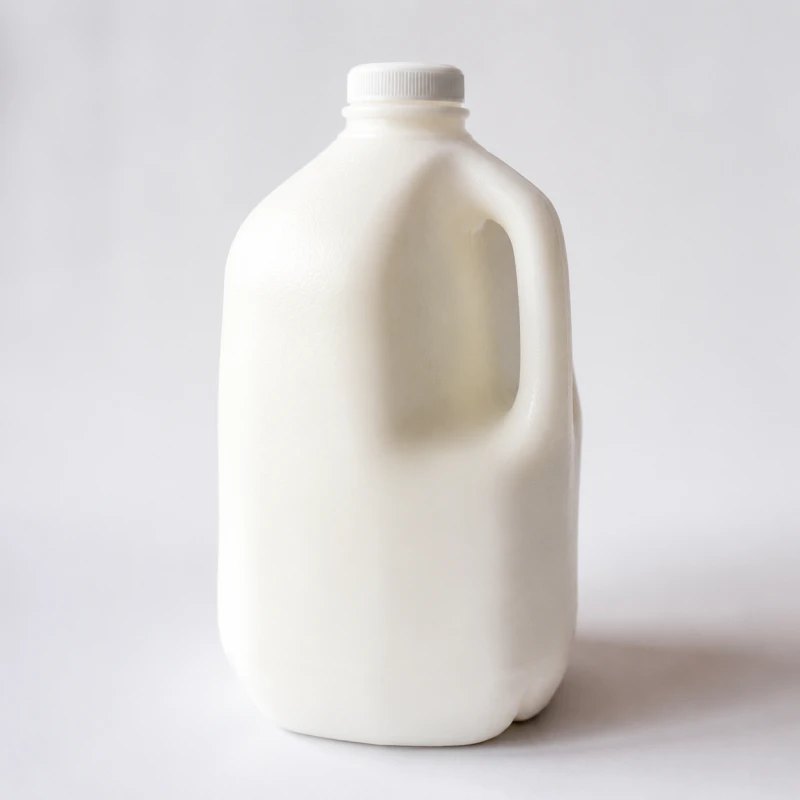
What Is an HDPE Sorting Machine?
An HDPE sorting machine is an industrial device that automatically segregates High-Density Polyethylene (HDPE) plastics from mixed waste streams using optical sensors and compressed air jets. This equipment, also known as an HDPE bottle sorting machine or HDPE plastic sorter, relies on near-infrared (NIR) spectroscopy and camera systems to identify the unique polymer signature of HDPE. The machine scans materials on a high-speed conveyor, analyzes their chemical composition, and triggers precise air nozzles to eject HDPE items into a separate collection chute. In modern recycling facilities, this automated approach has replaced manual picking lines, which were slow and prone to human error. The core technology behind optical sorting for HDPE has been refined over decades, with sensor resolution improving to the point where the machine can distinguish HDPE from visually similar plastics such as polypropylene (PP) or polystyrene (PS), even when items are crushed or dirty. For example, a typical HDPE milk jug and a PP yogurt container might look identical to the naked eye, but the NIR sensor detects their different molecular bonds—HDPE absorbs light at specific wavelengths around 1,200 nm and 1,500 nm, while PP shows a different absorption pattern. This level of precision ensures that the output material, often called HDPE flake, meets strict purity standards demanded by downstream processors. Facilities that invest in this technology report purity levels exceeding 99 percent, which is essential for producing high-quality recycled HDPE pellets used in new bottles, pipes, and automotive parts. Beyond the basic detection mechanism, modern HDPE sorters incorporate self-cleaning optical windows and dust removal systems to maintain accuracy in dusty recycling environments. The entire system operates with minimal human intervention, typically requiring only one operator per shift to monitor the touchscreen interface and perform occasional maintenance tasks like cleaning the sensor lenses or replacing worn air valves.
How Does an HDPE Sorting Machine Sort Plastics?
The sorting process follows a streamlined workflow to ensure high purity and throughput. Understanding each step helps operators optimize machine settings for different feedstock types, from curbside collected bottles to industrial scrap. The workflow is designed to handle continuous operation, with the machine processing material at speeds up to 3 meters per second on the conveyor belt. Advanced systems incorporate feedback loops where the computer adjusts air jet timing based on real-time sensor data, compensating for variations in material size, shape, and position. This adaptive control mechanism is particularly important when dealing with mixed-color HDPE batches, where the optical contrast between white and colored items might differ. Additionally, the software stores multiple sorting recipes for different plastic types, allowing quick changeovers between HDPE, PET, or PP sorting runs without manual recalibration. The entire detection-to-ejection cycle happens in less than 100 milliseconds, meaning the computer must process sensor data, calculate ejector coordinates, and fire the correct air jets while the item travels only a few centimeters on the belt. To achieve this speed, the system uses parallel processing architectures with dedicated graphics processing units (GPUs) for image analysis, similar to the hardware found in high-end gaming computers but optimized for industrial reliability.
Step 1 – Material Feeding and Conveying
Mixed plastic waste is evenly spread across a vibrating feeder or belt conveyor to create a monolayer stream. This uniform layer is critical because overlapping items can confuse the optical sensors, leading to missed detections or false ejections. The feeder typically uses adjustable vibration amplitude and frequency to accommodate different material densities and particle sizes. For instance, lightweight HDPE film requires gentler feeding than rigid HDPE bottles to avoid tearing or bunching. Some advanced systems incorporate a pre-sorting screen to remove fine particles below 5 mm, which are too small for accurate optical detection and could clog air nozzles. The conveyor belt itself is made from anti-static material to prevent plastic items from clinging due to static electricity buildup, a common issue in dry climates. Belt speed is adjustable between 1.5 and 3.5 meters per second, with slower speeds improving detection accuracy for small items but reducing overall throughput. Operators must balance these parameters based on their daily tonnage targets and the purity requirements of their end customers. A typical recycling plant processing 10 tons of mixed plastics per day might run the conveyor at 2.5 meters per second, achieving around 4 tons per hour for HDPE-specific sorting.
Step 2 – Detection and Identification
Optical sensors and NIR cameras scan each object, detecting the specific light absorption pattern of HDPE versus other polymers like PET or PP. The detection module houses both visible-light color cameras and NIR spectrometers that operate simultaneously. The color cameras capture high-resolution images at 500 frames per second, allowing the system to see the item's shape, transparency, and any label presence. Meanwhile, the NIR sensor illuminates the material with infrared light and measures the reflected spectrum across 900 to 1700 nm wavelength range. Each polymer type exhibits a unique spectral fingerprint—HDPE shows strong absorption peaks at 1210 nm and 1410 nm, while PET absorbs more at 1660 nm. The system's software compares the measured spectrum against a library of known plastic signatures, accounting for variations caused by colorants, fillers, and surface textures. Advanced systems can even distinguish between virgin HDPE and recycled HDPE based on subtle differences in spectral features, which is useful for quality control applications. The detection module includes automatic calibration routines that run every few minutes, using a reference tile with known spectral properties to compensate for sensor drift caused by temperature changes or dust accumulation on the optical window.
Step 3 – Data Processing
A computer system processes the sensor data in milliseconds, mapping the location of each HDPE piece on the belt. The onboard computer uses a real-time operating system (RTOS) to ensure deterministic timing for the ejection sequence. It creates a virtual grid over the conveyor belt, assigning coordinates to every detected item based on its position relative to the conveyor edges and timing markers. The system accounts for belt speed variations by tracking encoder pulses from the drive motor, adjusting the ejection timing to within a few millimeters of accuracy. Machine learning algorithms trained on thousands of plastic samples help the system handle edge cases, such as items with partial labels or mixed-material construction. For example, a detergent bottle with a PP cap still attached shows a mixed signal—the system is trained to classify the body as HDPE and ignore the cap, ejecting the entire bottle into the HDPE stream. The processing unit also logs detection data for quality reporting, generating statistics on HDPE percentage, contamination levels, and throughput rates. Operators can access this data through the machine's web interface or remote monitoring platform, enabling data-driven decisions about maintenance scheduling and process optimization.
Step 4 – Ejection and Separation
When the identified HDPE items reach the ejection zone, a row of high-speed air jets activates, blowing them into a separate discharge chute while non-target materials continue on. The ejection array consists of 64 to 128 individually controlled solenoid valves arranged across the sorting width, typically 1200 mm or 2000 mm. Each valve fires a short burst of compressed air at 6 to 8 bar pressure, lasting between 10 and 30 milliseconds. The precise timing ensures that only the targeted item is redirected, while adjacent items remain unaffected. The air jets are positioned at an angle to the belt direction, typically 30 to 45 degrees, which improves separation efficiency by imparting both lateral and vertical momentum to the ejected piece. Below the ejection zone, a splitter divides the chute into two sections: the HDPE collection chute and the reject chute for non-target materials. Some high-end systems include a second detection stage after the first ejection, allowing a second chance for items that might have been missed due to overlapping or unusual positioning. This dual-stage configuration can push sorting purity above 99.5 percent, meeting the strictest specifications for food-contact HDPE recycling. The compressed air system requires a dedicated air compressor with a minimum capacity of 2 to 5 cubic meters per minute, along with refrigerant air dryers to prevent moisture from causing valve sticking or ice formation in cold climates.
What Plastics Can an HDPE Sorting Machine Detect?
An HDPE sorting machine is designed to detect and separate a specific range of plastics, with some limitations. Understanding these capabilities and restrictions is crucial for setting realistic expectations and optimizing the sorting process. The machine excels at identifying pure HDPE items in typical post-consumer waste streams, but certain material conditions reduce detection reliability. Factors such as item thickness, color, surface contamination, and material composition all influence whether the NIR sensor can accurately identify HDPE. For example, thick-walled HDPE parts like crates or drums reflect more light than thin bottles, resulting in stronger spectral signals and higher detection confidence. Conversely, items with heavy food residue or adhesive labels can partially mask the HDPE signal, requiring additional pre-washing steps. The sensor's detection depth is limited to about 3 to 5 mm, so extremely thick items might only be identified from their surface layer. This limitation is relevant for industrial HDPE parts like pallets or tanks, which may require specialized cutting or shredding before optical sorting. Additionally, the machine's software includes a confidence threshold setting—typically adjustable between 70 and 95 percent—that determines whether an item is ejected. A lower threshold increases recovery rate but risks contamination, while a higher threshold prioritizes purity at the cost of rejecting some borderline HDPE items.
Detectable Plastics
HDPE (High-Density Polyethylene) including milk jugs, detergent bottles, and shampoo containers are the primary targets for this equipment. Natural HDPE (transparent or white) and colored HDPE are both identifiable, though detection accuracy varies slightly between colors. White and transparent HDPE items provide the strongest NIR signal because they reflect more light than dark or opaque versions. Colored HDPE, such as blue or green detergent bottles, still shows distinct spectral features because the color pigments typically don't interfere significantly in the NIR range. Common detectable items include rigid containers with wall thickness between 0.5 and 3 mm, such as laundry detergent bottles, bleach containers, shampoo bottles, and pharmaceutical jars. Other HDPE products like butter tubs, yogurt cups (when made from HDPE rather than PP), and some kitchen containers also respond well to NIR detection. The system can even identify HDPE caps and closures if they are separated from their bottles, though smaller items below 10 mm may fall below the detection threshold. In controlled tests, the machine achieves detection rates above 98 percent for typical consumer HDPE items when properly configured. Facilities processing post-industrial HDPE scrap, such as trim waste from blow molding operations, report even higher performance because these materials are clean and uniform in composition.
Plastics Not Detectable or Difficult to Sort
Black or dark-colored HDPE items present a major challenge because carbon black pigments absorb NIR light effectively, rendering the spectral sensor blind to the material underneath. This absorption occurs because carbon black acts as a broadband absorber across the infrared spectrum, masking the polymer's characteristic peaks. Some manufacturers produce black HDPE with pigments that don't completely block NIR—for example, using organic black dyes instead of carbon black—but these alternatives are rare in consumer packaging. Multi-layer or composite materials where HDPE is laminated with other polymers also confuse the sensor. Common examples include toothpaste tubes with an aluminum foil barrier layer or juice cartons with an inner polyethylene coating. The sensor sees a mixed signal from the different layers, making it difficult to classify the dominant polymer. Similarly, items with full-body shrink sleeves or heavily applied paper labels can obscure the underlying HDPE signal. Very small HDPE fragments below the machine's size threshold (e.g., under 10 mm) are difficult to detect because they don't reflect enough light for the sensor to register a reliable spectrum. This limitation means that finely shredded HDPE regrind often requires additional screening or air classification before optical sorting. Lastly, items with heavy organic contamination, such as expired milk jugs with sour residue, can have their spectral signal partially masked by the organic compounds, though most modern systems compensate using machine learning models trained on contaminated samples.
HDPE Sorting Machine Specifications
| Parameter | Specification |
|---|---|
| Throughput Capacity | Up to 5 tons per hour |
| Sorting Width | 1200 mm or 2000 mm options |
| Number of Channels | 64–128 air jet valves |
| Sorting Purity | ≥ 99% for HDPE |
| Power Consumption | 15–25 kW |
HDPE Sorting vs. Density-Based Sorting
Comparing optical HDPE sorting with traditional density separation highlights key differences in performance and application. Both methods have their place in the recycling industry, but the choice between them depends on the desired output quality, feedstock characteristics, and budget constraints. Optical sorting represents a higher initial investment but delivers superior purity for high-value applications, while density-based methods offer lower entry costs suitable for rough separation. The two approaches can also be combined in series, with density sorting as a first stage to remove heavy contaminants and optical sorting as a second stage to achieve resin-grade purity. Understanding the strengths and limitations of each method helps recycling facility managers design cost-effective processing lines tailored to their specific market requirements.
HDPE Sorting Machine (Optical)
An HDPE sorting machine uses NIR and camera sensors to identify polymer type, achieving high purity even with mixed color HDPE items. This technology excels in applications where the output must meet strict specifications for downstream processes like extrusion or injection molding. Optical sorters can handle throughput rates up to 5 tons per hour while maintaining purity above 99 percent, which is critical for producing food-grade recycled HDPE. The machine can differentiate HDPE from PP even when both polymers have similar densities—a limitation of sink-float tanks. Additionally, optical sorting operates dry, eliminating the need for water treatment and drying systems, which reduces operational costs and environmental footprint. However, the machine cannot sort black plastics or very small particles, as mentioned earlier. The capital cost ranges from $200,000 to $500,000 for a complete unit, depending on sorting width and sensor configuration. Best suited for post-consumer recycling facilities aiming for resin-grade output, these machines often pay for themselves within 18 to 24 months through higher selling prices for premium HDPE flake or pellets. Some manufacturers offer leasing or pay-per-ton pricing models to reduce upfront costs for smaller operations.
Density-Based Sorting (Sink-Float Tanks)
Density-based sorting relies on material density differences, a simple yet effective method that exploits the fact that HDPE has a density of about 0.93 to 0.97 g/cm³, which is lower than water's 1.0 g/cm³, causing it to float. In contrast, heavier plastics like PET (density ~1.38 g/cm³) and PVC (density ~1.45 g/cm³) sink to the bottom. The sink-float process involves submerging mixed plastics in a water tank, often with added surfactants or wetting agents to promote separation. This method has lower capital cost, typically $50,000 to $150,000 for a basic system, making it accessible for small or startup recycling businesses. However, the purity achieved is generally lower, ranging from 80 to 95 percent, because plastic items may trap air bubbles, cling together, or have attachments that influence their effective density. Most critically, sink-float cannot separate HDPE from PP if both float in water, since PP has a similar density of 0.90 to 0.92 g/cm³. This limitation means that a sink-float system produces a mixed polyolefin fraction rather than pure HDPE. The method also requires water management, including wastewater treatment and solids removal, adding operational complexity and cost. Suitable for primary rough separation in wet processes where the goal is bulk volume reduction before further refining, density sorting is often used as a front-end stage in large recycling facilities.
When to Choose Each
Select an HDPE sorting machine when you need high-purity HDPE for pellet production or closed-loop recycling, such as bottle-to-bottle applications where food-contact approval is required. These applications command premium prices—food-grade rHDPE pellets sell for 30 to 50 percent more than mixed polyolefin regrind. Additionally, choose optical sorting if your feedstock contains significant amounts of PP contamination that needs to be removed, or if you are processing colored HDPE that must be separated into different color fractions (e.g., natural, blue, green). On the other hand, density sorting is appropriate if your goal is bulk volume reduction before further processing, such as producing a mixed polyolefin stream that will later be separated using other technologies. Density sorting also works well for initial sorting of heavily contaminated material, where the washing action helps remove dirt and labels. Many large recycling facilities use both methods in series: density sorting removes heavy metals, glass, and PET, producing a float fraction rich in polyolefins, which then passes through an optical sorter to separate HDPE from PP and remove any remaining black plastics. This combination maximizes overall recovery while maintaining high purity for the most valuable fractions.
What Industries Use HDPE Sorting Machines?
HDPE sorting machines are deployed across several recycling and manufacturing sectors, each with distinct requirements for equipment configuration and output quality. The machine's versatility allows it to adapt to different waste streams, from municipal solid waste to industrial scrap. Understanding the specific needs of each industry helps manufacturers design machines that meet real-world operational demands. For example, facilities processing post-consumer bottles need robust systems to handle stringy labels and residual liquids, while industrial recyclers prioritize high throughput for clean factory scrap. The growing global emphasis on plastic recycling and circular economy principles has driven adoption across all these sectors, with the market for HDPE sorting equipment projected to grow at 8 to 12 percent annually through 2030.
Plastic Recycling Facilities
Core users of HDPE sorting machines are plastic recycling facilities that process curbside collected mixed plastics into clean HDPE flakes for resale. These plants receive material from municipal recycling programs, often containing a mix of bottles, containers, and other packaging. The sorting machine sits at the heart of their processing line, typically after shredding and washing stages. Operators set the machine to target HDPE specifically, producing flake that meets standard quality specifications such as less than 1 percent contamination from other polymers. These facilities supply their HDPE flakes to pelletizers, compounders, and manufacturers who further process the material into new products. The purity achieved by optical sorting directly impacts the sale price—a facility producing 99 percent pure HDPE flake can command $600 to $800 per ton, while 95 percent pure material might sell for only $400 to $500 per ton. Many recycling facilities also use HDPE sorting machines to produce color-sorted output, separating natural HDPE (clear or white) from colored HDPE, which commands different prices in the market. Natural HDPE flake is particularly valuable for applications requiring light-colored finished products, such as new milk jugs or detergent bottles.
Bottle-to-Bottle Recycling Plants
High-purity HDPE is critical for producing food-grade rHDPE (recycled HDPE) granules suitable for new bottle manufacturing. Bottle-to-bottle recycling represents the highest value application for HDPE sorting, as it closes the loop for food-contact packaging. These plants must meet stringent safety standards, including FDA or EFSA food contact approvals, which require HDPE purity above 99.5 percent and absence of contaminants that could migrate into food. The sorting machine in these facilities operates in a clean environment, often with additional detection stages including UV fluorescence sensors that identify oxygen barrier layers or additive packages not permitted in food applications. The sorted HDPE undergoes further processing—washing, hot caustic treatment, and extrusion—to produce rHDPE pellets that can directly replace virgin HDPE in bottle manufacturing. A typical bottle-to-bottle plant processes 20,000 to 50,000 tons of collected bottles annually, recovering around 15,000 to 38,000 tons of food-grade rHDPE. The investment in high-precision sorting machines is justified by the premium selling price of food-grade rHDPE, which can be 80 to 100 percent of virgin HDPE prices, compared to non-food grades which sell at 50 to 70 percent discount to virgin.
Waste Management and MRFs
Material recovery facilities (MRFs) integrate HDPE sorting machines to increase recovery rates of valuable HDPE from municipal waste. In MRFs, the sorting machine is part of a larger system that separates single-stream recyclables into commodity-grade fractions. The machines help MRFs meet quality specifications set by downstream buyers, who increasingly demand low contamination levels. For example, a paper mill purchasing recovered plastic film might reject a load with more than 1 percent HDPE contamination. MRFs using optical sorters can achieve 99 percent purity for their HDPE bales, commanding higher prices and avoiding rejection fees. The equipment also allows MRFs to capture more value by sorting HDPE by color—natural HDPE bales sell for $50 to $100 per ton more than mixed-color bales. Some MRFs have deployed portable HDPE sorting modules that can be moved between processing lines or between facilities, providing flexibility to handle fluctuating waste volumes. The return on investment for an HDPE sorter in a mid-sized MRF is typically 12 to 18 months, based on improved revenue from higher-quality bales and increased recovery rates.
Plastic Manufacturers
Producers use pre-sorted HDPE as consistent feedstock for extrusion or injection molding processes, ensuring their end products meet dimensional and performance specifications. Plastic manufacturers typically receive HDPE in pellet form from recyclers, but they also use sorted HDPE flake in some applications, especially color-mixed products where appearance is less critical. The sorting machine ensures that the feedstock is free from polymer contamination that could cause processing issues, such as incompatible PP melting at different temperatures leading to weld lines or weak points in finished parts. Manufacturers producing items like pipe, crates, or automotive components have strict tolerance for contamination; even 2 percent PP in an HDPE melt can cause severe degradation in impact resistance. Some large manufacturers have installed HDPE sorting machines at their own facilities to pre-sort post-industrial scrap, such as trimmed edges from blow molding machines or rejected parts from injection molding. This internal sorting captures value from what would otherwise be waste, with ROI typically under 6 months for high-volume operations. The sorted HDPE regrind is fed back into the production process, reducing raw material costs by 20 to 40 percent compared to purchasing virgin pellets.
How to Choose the Right HDPE Sorting Machine
Selecting an optimal HDPE sorter involves evaluating several factors aligned with your operation's goals. The decision process combines technical analysis of your feedstock and processes with commercial considerations like budget and market positioning. Engaging with multiple equipment suppliers and visiting their reference installations can provide practical insights that technical specifications alone cannot convey. Many vendors offer material testing services, where they process samples of your waste stream through their sorting machine to demonstrate achievable purity and recovery rates. These trials are invaluable for validating performance claims and selecting the correct sensor configuration—whether you need basic NIR detection or advanced hyperspectral imaging for challenging materials.
Assess Your Feedstock Composition
Consider the percentage of HDPE in your waste stream and the presence of contaminants like black plastics or labels. Start by conducting a materials characterization study, collecting representative samples over several weeks to capture seasonal variations in waste composition. Measure the HDPE content as a percentage of total throughput, but also analyze the size distribution, color mix, and contamination types. Feedstock with more than 30 percent HDPE allows for efficient sorting with a dedicated machine, while lower concentrations might require a pre-concentration step. The presence of black plastics above 5 percent of total feed may require additional investment in a sensor that can detect black items, such as a color camera-based system that identifies shape and texture in the visible spectrum as a workaround for NIR limitations. The presence of labels and residues also matters—paper labels can clog air nozzles, while heavy adhesive amounts might cause bridging on the conveyor. Some suppliers offer machines with integrated label removal systems, using brush rollers or air knives before the detection zone.
Determine Required Throughput
Match machine capacity to your daily processing tonnage; oversizing increases cost unnecessarily, while undersizing creates bottlenecks that reduce overall plant efficiency. Calculate your required throughput based on planned operating hours and annual production targets, adding a safety margin of 15 to 20 percent for peak periods. For example, a plant targeting 20,000 tons per year operation 10 hours per day, 250 days per year requires 8 tons per hour average throughput. A machine rated at 10 tons per hour provides comfortable margin. Consider future growth plans—if you expect to increase intake over the next 3 to 5 years, choose a machine with expansion capability, such as a wider sorting bed or modular addition of extra sorting units. Throughput also depends on material properties; feeding denser materials like grinding HDPE drum scrap achieves higher mass throughput than feeding lightweight bottles. Suppliers should provide throughput curves for your specific material type, not just generic ratings. Also consider the sorting width: a 2000 mm machine handles 50 percent more throughput than a 1200 mm unit, but also requires more floor space and compressed air capacity.
Evaluate Purity Needs
If you target high-value markets (e.g., food packaging), opt for machines with multiple detection stages and higher channel counts. Purity requirements directly influence machine cost and complexity. Basic machines with single NIR detection and 64 air valves achieve 95 to 97 percent purity for typical post-consumer HDPE. For food-grade applications requiring 99.5 percent or higher, consider machines with two detection stages: a primary stage for identification and a secondary stage to inspect the ejected material and reject any non-HDPE items that slipped through. Advanced machines incorporate additional sensor types, such as visible-light cameras for color sorting or laser distance sensors to measure item thickness. The number of air jet channels also affects purity—128 valves provide finer spatial resolution, allowing better separation of closely spaced items, particularly for small bottles or caps. Some high-end machines adjust ejection timing based on item position detected by the secondary sensor, correcting for conveyor belt vibration or speed variations. These features increase machine cost but are justified when selling into premium markets. For example, a multi-stage machine producing 99.8 percent pure HDPE flake can command $200 to $300 per ton premium over standard grade material.
Consider Future Scalability
Choose modular designs that allow adding extra sorting units or upgrading sensors as technology evolves. The plastic recycling industry is rapidly advancing, with new sensor technologies like Raman spectroscopy or laser-induced breakdown spectroscopy (LIBS) emerging for more accurate polymer identification. A modular machine architecture lets you upgrade to these technologies without replacing the entire system. Look for machines with standard interfaces between conveyor, detection module, and ejection module, allowing component swaps or additions. Some manufacturers offer "plug-and-play" expansion modules that can be installed in existing machines within days. Also consider the machine's control system compatibility with your existing plant automation—look for support of industry-standard protocols like Profibus, Ethernet/IP, or OPC-UA. Cloud connectivity features allow remote performance monitoring and predictive maintenance alerts, which can reduce downtime. When evaluating suppliers, ask about their technology roadmap and commitment to backwards compatibility. A modular machine from a reputable manufacturer typically retains 60 to 70 percent of its value after 5 years, facilitating technology upgrades or resale when needed.
Review Total Cost of Ownership
Factor in energy consumption, maintenance frequency, and spare parts availability besides the initial purchase price. Energy costs for a 25 kW machine operating 10 hours per day, 250 days per year amount to approximately $7,500 annually at $0.12 per kWh—a significant but manageable expense. Compressed air costs are harder to calculate but can be substantial, typically adding 20 to 30 percent to total energy expenses. Add cost for air compressor maintenance, including oil changes and filter replacements. Maintenance requirements include periodic cleaning of optical windows (daily), replacing air valve seals (every 6 to 12 months), and conveyor belt replacement (every 2 to 4 years). These consumable parts should be readily available from the supplier or local distributors. Also consider the machine's reliability record—a well-designed sorter achieves 95 to 98 percent uptime, with most stoppages from material jams or air system issues. Preventive maintenance cost typically adds 3 to 5 percent of initial purchase price annually. When comparing suppliers, request reference installations you can visit or contact, and ask about their spare parts stock and lead times. A 10 percent longer maintenance interval or 10 percent lower energy consumption can save tens of thousands of dollars over the machine's 10-year lifespan, making a higher-priced machine the better long-term investment.
FAQ
Can an HDPE sorting machine handle rigid bottles and film at the same time?
Yes, it can process both, but thin films may require a pre-shredding or densification step to avoid conveyor bridging and ensure accurate detection. When feeding rigid bottles mixed with film, the film tends to wrap around the conveyor rollers or clump together, creating a non-uniform feed that prevents the optical sensors from seeing individual items clearly. The film's lightweight nature also means it can be easily blown off the conveyor by air currents or sucked up by dust collection systems. To address this, many recycling facilities install a film densifier—a machine that compresses loose film into small, dense pellets or biscuits using heat and mechanical pressure. These densified pellets, typically 10 to 20 mm in size, behave similarly to rigid particles on the conveyor and can be accurately identified by the NIR sensor. Alternatively, some sorting machines incorporate a dedicated film detection mode that uses lower conveyor speeds and air pressure, but throughput drops significantly when processing film-dominant streams. For mixed input containing less than 20 percent film, standard machine settings usually suffice with occasional manual clearing of conveyor jams. Facilities processing high-film-content streams should consider separate sorting lines for film and rigid items, with dedicated shredding and metering equipment for each fraction.
What is the typical lifespan of an HDPE sorting machine?
With proper maintenance, the core optical unit lasts 8–12 years, while consumable parts like air valves and conveyor belts need replacement every 2–4 years. The NIR sensor and camera systems are robust components with expected lifetimes of 10 to 15 years, provided they are kept clean and protected from excessive heat and humidity. The sensor's light source—typically a tungsten-halogen lamp or LED array—may require replacement every 3 to 5 years, costing $500 to $2,000 depending on the model. LED-based sources last longer, up to 10 years, but offer slightly less spectral stability than halogen. The solenoid air valves are the most frequently replaced component, with typical lifespans of 2 to 4 years depending on duty cycle and compressed air quality. Each valve costs $20 to $50, and a machine with 128 valves requires $2,560 to $6,400 for a full replacement set. The conveyor belt, usually made from rubber or polyurethane, lasts 3 to 5 years before showing signs of wear like cracking or stretching. Belt replacement cost ranges from $3,000 to $8,000 depending on width and material. The machine's control computer, touchscreen, and electrical components typically last 5 to 8 years before obsolescence requires upgrades. Regular maintenance programs that include cleaning, lubrication, and calibration extend all component lifetimes significantly. Facilities following manufacturer-recommended maintenance schedules report full machine lifespans exceeding 12 years, with only the air valve array needing replacement mid-life.
Does the machine require special training to operate?
No, basic computer literacy suffices. Most systems come with intuitive touchscreen interfaces and pre-calibrated sorting recipes for HDPE. The operator interface typically displays a live color camera feed of the material on the conveyor, with classified items highlighted in different colors. To start a sorting run, operators select the HDPE recipe from a menu and press start. The machine's software automatically adjusts sensor exposure, conveyor speed, and air jet timing for optimal performance with the selected recipe. Operators can view real-time statistics showing throughput, purity estimate, and air consumption. Alert messages for common issues like conveyor jams or low air pressure appear clearly on the screen. Routine tasks include cleaning the optical window with a soft cloth (daily, requiring 2 minutes), removing debris from the collection chute (shiftly, 5 minutes), and inspecting the air valves for debris (weekly, 15 minutes). Advanced operations like adjusting sorting parameters for new materials or creating custom recipes require some training, typically a half-day session with a supplier technician. Most suppliers provide on-site training for your operators during installation, covering machine start-up, shutdown, safety procedures, and troubleshooting. Online video tutorials and technical support hotlines are also standard. The machine's maintenance manual includes step-by-step guides for replacing common parts like air valves and conveyor belts, illustrated with clear diagrams. Overall, a team of two operators can learn to run the machine proficiently within one week of installation, with minimal prior technical background required.
Can I retrofit an existing sorting line with an HDPE sorter?
Yes, the machine is designed for modular integration; it fits into existing conveyor systems with standard belt widths and control interfaces. The HDPE sorting module comes as a self-contained unit requiring only a flat section of conveyor, electrical power (three-phase, 380-480 V, 50/60 Hz), and a compressed air supply. The unit typically measures 2 to 3 meters in length and 1.5 to 2 meters in height, with leveling feet for height adjustment. Installation involves cutting the existing conveyor at the desired insertion point, removing a section, and bolting the sorting module between the two conveyor segments. Electrical connection requires a dedicated circuit breaker and a proper ground. The sorting module's control system integrates with existing plant controls via hardwired I/O or fieldbus communication, exchanging signals like belt speed reference, run status, and alarm outputs. Most suppliers provide an interface kit that includes cables and software libraries for common programmable logic controllers (PLCs) from manufacturers like Siemens, Allen-Bradley, or Mitsubishi. Installation typically takes 2 to 4 days, including mechanical fitting, electrical connection, and commissioning. Some suppliers offer pre-configured retrofit packages for common conveyor widths of 800, 1000, or 1200 mm, reducing installation time to a single day. Before retrofitting, ensure your existing conveyor can accommodate the sorting module's weight—typically 500 to 1000 kg—and that there is enough space for access doors and maintenance clearance. Also consider material flow: the sorter needs a minimum of 1.5 meters of clear conveyor before its detection zone to allow proper settling of the material from vibrations. With careful planning, retrofitting an HDPE sorter into an existing line is a straightforward process that can be completed by your facility's maintenance team with vendor support.