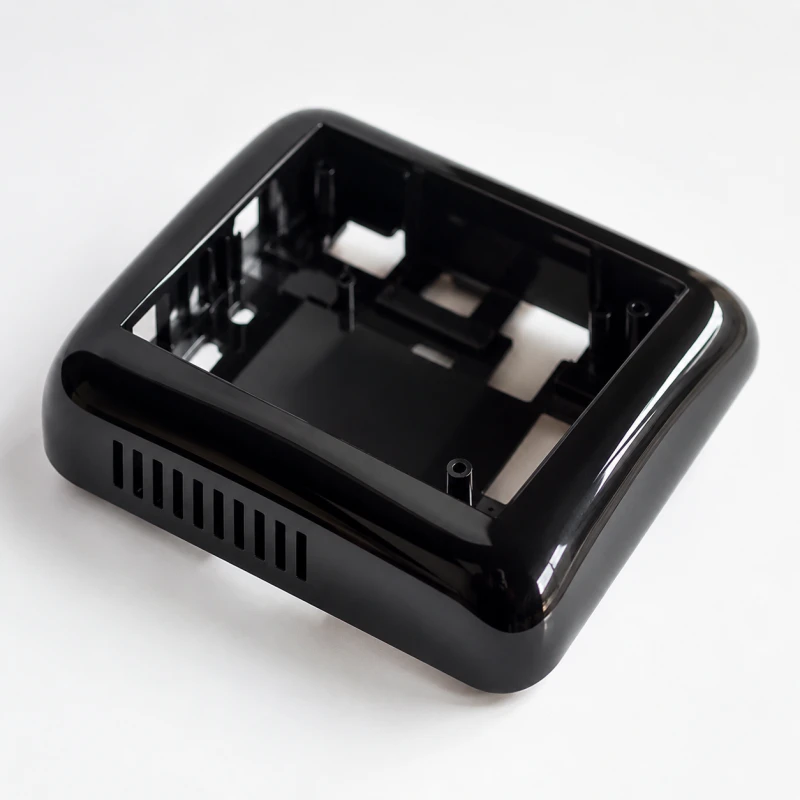
What Is an ABS Sorting Machine?
An ABS sorting machine is an advanced industrial device engineered to automatically separate ABS (Acrylonitrile Butadiene Styrene) plastic from mixed waste streams with remarkable precision. At its core, this machine—often referred to as an optical sorter for ABS or an ABS plastic separator—relies on sophisticated optical sensor technology, typically near-infrared (NIR) or hyperspectral cameras, to identify and isolate ABS materials based on their unique molecular signature. Unlike manual sorting, which is labor-intensive and error-prone, an ABS color sorter operates at high speeds, processing thousands of particles per minute. This capability is crucial for recycling facilities that need to recover high-value ABS from complex sources, such as shredded electronics like computer monitors and keyboards, automotive parts like dashboards and bumpers, and household goods such as toy blocks and vacuum cleaners. The recovered ABS commands a strong resale price because it can be directly remanufactured into new products, preserving its mechanical properties. In the recycling industry, the adoption of such a plastic sorting machine for ABS has transformed operations, enabling facilities to achieve purity levels exceeding 98 percent while reducing operational costs associated with manual labor.
The underlying technology of an ABS sorting machine leverages the fact that each polymer absorbs and reflects light differently across the electromagnetic spectrum. When ABS plastics pass under the machine’s optical sensors, the system captures reflected light data and compares it against reference spectra stored in its database. A high-speed computer processes this information in real time, making sorting decisions within milliseconds. The machine then triggers precisely calibrated air jets that blow ABS particles into a designated collection chute, while non-ABS materials continue along the conveyor belt for further processing or disposal. This automated approach not only boosts efficiency but also reduces material loss, making it an indispensible tool for plastic recyclers aiming to maximize yield from electronic waste (e-waste) and post-consumer plastics. In the context of sustainability, an ABS sorter supports circular economy goals by ensuring that valuable ABS is not incinerated or landfilled. For operators, understanding the fundamentals of this equipment is the first step toward optimizing a recycling line for profitability and environmental stewardship.
How Does an ABS Sorting Machine Sort Plastics?
Material Feeding
The sorting process begins with a critical step: material feeding, where mixed plastics are introduced into the machine in a controlled, uniform manner. Typically, a vibrating feeder or a belt conveyor with a hopper evenly distributes the waste stream across the width of the sorting belt. This ensures a monolayer of particles—meaning each piece is separated from its neighbors—preventing overlapping that could confuse the optical sensors. The feeding speed is adjustable, allowing operators to tailor the throughput to the specific characteristics of the incoming material, such as particle size distribution and contamination level. For example, when processing shredded electronics containing ABS, PS, and PC, a consistent feed rate prevents bottlenecks and ensures that every particle is optimally exposed to the detection zone. This stage is foundational because even a high-performance optical sorter for ABS cannot achieve its rated purity if the feed is unstable or poorly distributed. Facilities that invest in proper feeding equipment often see a direct improvement in sorting accuracy and overall line efficiency.
Sensor Detection
Once the material is evenly spread, it moves into the heart of the system: the sensor detection zone. Here, an array of near-infrared (NIR) or hyperspectral cameras scans the moving stream of plastics. These sensors emit light beams and capture the reflected spectral signatures, which act like fingerprints for different polymers. For ABS, the signature corresponds to its specific chemical bonds of acrylonitrile, butadiene, and styrene. The system can distinguish ABS from similar polymers like polystyrene (PS), polypropylene (PP), or polycarbonate (PC) with high reliability. Modern ABS sorting machines often incorporate multiple sensors, combining NIR with visible light color cameras to improve detection of challenging materials, such as those with colored markings or labels. The sensor software is continuously updated to recognize new blends, such as ABS-PC alloys increasingly used in automotive applications. This detection phase lasts mere milliseconds, yet it is the most data-intensive part of the cycle, relying on powerful onboard processors to analyze thousands of data points per second.
Air Ejection
Immediately after detection, the machine executes the physical separation via a high-speed air ejection system. A matrix of air nozzles, strategically positioned across the width of the conveyor, is activated based on the computer’s real-time analysis. When the system identifies a particle as ABS, it calculates its trajectory and precisely fires a burst of compressed air to divert it into a collection chute. This ejection process is remarkably fast, with actuation times measured in single-digit milliseconds, ensuring that only the target material is removed. The accuracy of the air jets directly impacts sorting purity; any misalignment or delay can cause false ejections of non-ABS particles. To maintain peak performance, operators must regularly check for nozzle blockages and adjust air pressure according to particle weight and size. For heavy ABS pieces from automotive parts, higher pressure settings are used, while smaller granules from electronics require finer control. This air ejection mechanism is a key differentiator between an ABS sorting machine and slower, mechanical separation methods like sink-float tanks.
Quality Control
The final step involves quality control, where the separated streams are monitored for compliance. The primary ABS fraction is collected in a clean bin, while the rejected materials—consisting of other polymers, metals, or contaminants—continue along the main conveyor for subsequent processing stages. Many facilities integrate an additional camera sensor at this stage to inspect the sorted ABS for any missed contaminants, creating a feedback loop that allows operators to adjust the sorting parameters in real time. For instance, if a batch shows elevated levels of PC contamination, the system can re-calibrate its detection thresholds. Regular quality control checks, often performed by taking grab samples every hour, verify that the ABS sorting machine maintains its stated purity specification. This closed-loop approach ensures that the final product meets the quality requirements of buyers, such as injection molders who demand 99 percent-plus ABS purity for high-end applications. The quality control step also provides valuable data for troubleshooting, helping to identify issues such as worn sensor components or misaligned belt tracking.
What Plastics Can an ABS Sorting Machine Detect?
An ABS sorting machine is specifically designed to detect and separate ABS (Acrylonitrile Butadiene Styrene) from a broad spectrum of plastic types, but its capabilities have distinct boundaries. The primary targets include standard ABS commonly found in electronic housings, toy components, and automotive interior parts. The machine is adept at identifying pure ABS as well as common blends, such as ABS-PC (polycarbonate) alloys, which are increasingly used in high-impact applications like car bumpers and power tool casings. Advanced sensor configurations can also recognize high-impact ABS variants that incorporate rubber modifiers. Additionally, some machines can be programmed to sort ABS with flame retardants or UV stabilizers, though these modifications may require calibration adjustments. The detection success rate typically exceeds 98 percent for well-prepared material, ensuring that valuable ABS is recovered with minimal loss. For recycling facilities that process post-consumer waste, the ability to segregate ABS from mixed plastics like PS, PP, and HDPE is a game-changer, as it upgrades the value of the output material.
However, the ABS sorting machine faces notable limitations. It cannot reliably sort black plastics using standard NIR sensors, because carbon black pigment absorbs most of the incident light, preventing a clear spectral signature from being captured. Sorting black ABS requires specialized mid-infrared or laser induced breakdown spectroscopy (LIBS) sensors, which are only available in premium models. Similarly, highly contaminated materials—such as ABS items coated with adhesive labels, paint, or food residue—may not be accurately identified unless they are pre-washed or processed through a pre-sorting step. Foamed ABS, often used in thermal insulation, also presents a challenge due to its altered density and surface texture, which can confuse optical detection. In addition, materials with thick coatings, like chrome-plated ABS automotive trim, require special handling. For these cases, recycling facilities typically employ a multi-phase approach, using a sink-float tank first to remove heavy contaminants before the ABS sorting machine. Despite these limitations, the machine remains a powerful tool for recovering clean, high-grade ABS from most common waste streams.
ABS Sorting Machine Specifications
| Model | Processing Capacity (kg/h) | Sorting Width (mm) | Number of Channels | Sorting Purity (%) | Power Consumption (kW) |
|---|---|---|---|---|---|
| ABS-1000 | 800-1200 | 1000 | 32 | ≥98 | 5.5 |
| ABS-1500 | 1200-1800 | 1500 | 48 | ≥99 | 7.2 |
| ABS-2000 | 1800-2500 | 2000 | 64 | ≥99.5 | 9.0 |
ABS Sorting vs. Sink-Float Sorting
ABS Sorting Machine
When comparing technologies for separating ABS, the ABS sorting machine offers distinct advantages in terms of precision and speed. This optical-based method utilizes near-infrared or hyperspectral sensors to identify polymers by their molecular fingerprints, making it highly effective at distinguishing ABS from other plastics with similar densities, such as PS or PC. The machine operates at breakneck pace, making sorting decisions in less than 20 milliseconds, which translates to throughput rates of up to 2,500 kilograms per hour for the largest models. Purity levels routinely reach 98 to 99.5 percent, which is critical for producing a clean ABS regrind that commands premium prices in the injection molding market. Another benefit is the absence of water usage, eliminating the need for waste water treatment and reducing environmental footprint. Maintenance is relatively low, primarily focused on cleaning optical windows and inspecting air nozzle arrays. However, the upfront capital investment can be higher than traditional methods, and the machine may struggle with certain material forms, like heavily contaminated or black plastics, unless equipped with advanced sensor upgrades.
Sink-Float Sorting
Sink-float sorting, a density-based separation method, remains a popular alternative for ABS recovery, particularly in large-scale operations. This technique involves immersing shredded plastic in a water tank with controlled density, typically around 1.04 grams per cubic centimeter. ABS, having a density range of 1.03 to 1.06 g/cm³, tends to sink, while lighter polymers like PP and PE float to the surface. This method is straightforward and can handle high volumes of material with minimal pre-processing. However, it achieves only moderate purity, typically ranging from 85 to 95 percent, because some ABS pieces may trap air bubbles and float, while heavier contaminants like metals and non-ABS plastics may sink along with the target material. The process is slower than optical sorting, as settling times can reach several minutes, and it consumes significant amounts of water and energy for pumping and filtration. Additionally, sink-float requires regular chemical dosing to maintain precise density and ongoing cleaning to remove sludge. Despite these drawbacks, it is a cost-effective solution for preprocessing large, dirty streams before an ABS sorting machine, providing a rough separation that reduces the load on the more sensitive optical system.
Choosing between an ABS sorting machine and sink-float sorting depends heavily on the end-use application and budget. For facilities that need high-purity ABS for direct sale to molders or compounders, the optical sorter is the clear winner due to its ability to achieve 99 percent-plus purity consistently. This is especially true for electronic waste, where ABS is often mixed with metals and other plastics that have overlapping densities, making sink-float ineffective. In contrast, sink-float is suitable for initial bulk separation of large volumes of post-consumer waste where the final product will be further refined by subsequent processes. Many advanced recycling lines integrate both methods, using sink-float to remove heavy contaminants and light fractions first, then feeding the remaining ABS-rich stream into an ABS sorting machine for final polishing. This hybrid approach maximizes recovery rates while controlling costs, proving that the two technologies are complementary rather than mutually exclusive.
What Industries Use ABS Sorters?
Electronics Recycling
The electronics recycling industry is one of the largest adopters of ABS sorting machines, driven by the abundance of ABS in waste electrical and electronic equipment (WEEE). Discarded computers, keyboards, monitors, laptops, mobile phones, and home appliances contain significant amounts of ABS in their housings and internal structural components. When these items are shredded, the resulting mixed plastic stream includes ABS, PS, PC, and other materials. An ABS sorter plays a pivotal role in isolating the ABS fraction, which can then be reprocessed into new electronic enclosures or other high-value products. The high purity achievable with optical sorting—often exceeding 99 percent—is essential because electronic manufacturers have strict material specifications. For example, a company producing new laptop shells may demand ABS regrind with zero contamination to maintain color consistency and structural integrity. The adoption of ABS sorting machines has enabled electronics recyclers to move from selling mixed shredder residue at low commodity prices to producing premium-grade ABS pellets. This shift has increased the profitability of e-waste recycling and contributed to reducing the environmental impact of mining for virgin ABS.
Automotive Shredding
In the automotive shredding sector, ABS sorting machines are increasingly deployed to recover ABS from end-of-life vehicles. Modern cars contain numerous ABS components, including dashboards, glove boxes, door panels, interior trim pieces, and bumper covers. When vehicles are shredded and the metals are removed, a mixed plastic residue remains known as automotive shredder residue (ASR). This material stream includes ABS, PP, PE, and other polymers. Using an optical sorter for ABS, recyclers can extract high-quality ABS that can be reused in new automotive parts, reducing the need for virgin polymer production. The challenge lies in the presence of coatings, paints, and adhesives on many interior ABS parts, which can interfere with sensor readings if not pre-treated. Nevertheless, with proper preparation like granulation and cleaning, ABS sorting machines achieve impressive results. Some companies have even developed closed-loop systems where the recovered ABS from old vehicles is directly fed into injection molding machines to produce new trim parts for the same car models, demonstrating true circularity in the automotive industry.
Plastic Recycling Facilities
General plastic recycling facilities benefit immensely from integrating ABS sorting machines into their lines. These facilities receive mixed bales of post-consumer plastics from curbside collection programs, which contain everything from PET bottles to ABS toys. Without an ABS sorter, these materials are often sent to lower-value applications like filler or incineration. By adding a dedicated ABS optical separator, the facility can tap into the higher-value ABS market, which pays a premium for clean sorted material. The machine’s ability to achieve purity levels of 98 to 99.5 percent makes it a valuable asset for upgrading the overall product mix. Moreover, the data generated by the sorting system provides insights into the composition of incoming waste, enabling facility managers to optimize their processes over time. For example, if a particular shipment shows a high ABS content, they can adjust feed rates and sensor parameters to maximize recovery. The return on investment from an ABS sorting machine is typically realized within one to two years due to the increased revenue from selling premium ABS, plus reduced landfill costs for rejected materials.
Injection Molding Plants
Injection molding plants that use regrind or recycled ABS as a raw material can benefit from on-site ABS sorting machines for quality assurance. When manufacturing parts, such as components for electronics or appliances, it is common to regrind rejected parts and sprues for reuse. However, if these regrind materials originate from different production runs or are contaminated with other plastics (e.g., from mixed-material overmolding), the resulting parts may suffer from defects like weld lines, flow marks, or reduced impact strength. An ABS sorting machine placed inline before the injection molding process can remove these contaminants, ensuring a consistent feedstock. This is particularly important for plants that produce high-specification parts for medical devices or consumer electronics, where even minute contamination can lead to product failure. Some facilities even use a portable ABS color sorter to segregate regrind by color, enabling efficient color matching for different product lines. The investment in such a machine pays off by reducing scrap rates and improving overall production yield.
How to Choose the Right ABS Sorting Machine
Assess Your Feed Material
Selecting the right ABS sorting machine begins with a thorough analysis of your feed material. Consider the particle size distribution: if your waste stream consists of small granules (e.g., 2-10 mm from a granulator), you need a machine with narrower channel spacing, typically 8 to 16 channels per 100 mm width, to ensure each particle is individually detected. Conversely, larger material (e.g., flakes from shredders) may require wider spacing but higher throughput. Contamination levels also matter; if your feed contains metals or heavy dirt, consider adding a pre-sorting step like a magnetic separator or air classifier to protect the sensor optics. Additionally, examine the percentage of black plastics—if it exceeds 5 to 10 percent of your input, you may need a specialized mid-infrared sensor option or a separate black plastic sorter. Leading manufacturers offer free material testing services, where you can send a sample to simulate real-world separation performance. This empirical data is invaluable for choosing the optimal sensor configuration and capacity from the specifications table above.
Evaluate Required Purity
The purity you need from your ABS sorting machine directly influences the model and sensor configuration you should purchase. For high-value applications, such as producing ABS regrind for medical device manufacturing or electronics casings, a purity target of 99.5 percent or higher is common. Achieving this requires a multi-sensor setup combining NIR with color cameras to reject both polymer contaminants and off-color particles. Additionally, a higher number of ejection channels (e.g., 64 channels on the ABS-2000 model) improves precision by reducing the area each air jet covers, resulting in fewer false ejections. For general recycling applications where the ABS will be used for lower-grade products like pallets or non-critical moldings, a standard model like the ABS-1000 with 32 channels and ≥98 percent purity is sufficient. In these cases, the lower capital expenditure makes the payback period shorter. Always request a purity guarantee from the supplier, accompanied by a certificate of compliance, to protect your investment.
Check Facility Space and Power
Before purchasing, it is essential to evaluate the physical footprint and utility requirements of the ABS sorting machine. The dimensions listed in the specifications table indicate the sorting width, but you must also account for conveyor lengths, feeder systems, and collection bins. Most machines require at least a 4-meter linear space for installation, plus clearance for maintenance access. Power consumption ranges from 5.5 kW for the ABS-1000 to 9.0 kW for the ABS-2000; ensure your electrical system can support the peak demand, especially if you are adding the sorter to an existing line. Additionally, compressed air supply is necessary for the ejection nozzles—typical requirements are 0.5 to 0.8 MPa at 0.5 to 1.5 cubic meters per minute depending on model size. Plan for dust extraction or ventilation if processing dry, dusty material to maintain a clean working environment and protect sensor optics. It is wise to create a facility layout diagram with the sales engineer to confirm the machine fits your workflow without causing bottlenecks.
Review After-Sales Support
Finally, evaluating after-sales support is crucial for long-term reliability of your ABS sorting machine. Look for suppliers that offer comprehensive calibration services, as sensor accuracy degrades over time due to dust buildup and component aging. Many manufacturers provide annual maintenance contracts that include on-site calibration, software updates, and replacement of wear parts like ejection air nozzles. Spare parts availability is another critical factor; ensure that essential components like sensor modules and control boards can be quickly sourced to minimize downtime. Remote troubleshooting capabilities, such as VPN access to the machine’s control system, allow technicians to diagnose issues without a site visit, reducing response time. Some suppliers also offer training programs for your operators, covering topics like feed rate optimization and sensor threshold adjustment. A company with a strong service network can make the difference between a machine that delivers consistent payback and one that becomes a reliability headache. Ask for references from other recycling facilities that have purchased similar models to verify service quality.
FAQ
Can an ABS sorting machine handle black plastic?
Standard ABS sorting machines using NIR sensors cannot reliably detect black plastics because carbon black pigment absorbs most of the infrared light, preventing a clear spectral signature. However, advanced models equipped with mid-infrared (MIR) or laser-induced breakdown spectroscopy (LIBS) sensors can sort black ABS, though these are more expensive and less common. If your feed stream contains a significant amount of black ABS, the most practical approach is to pre-sort by color using a visible light camera sorter first or use a dedicated black plastic sorting machine. Alternatively, some facilities invest in a two-stage process: first, a standard optical sorter to remove other colors, then a specialized black sorter for the remaining dark fraction. It is worth noting that even with advanced sensors, black ABS sorting achieves slightly lower purity (typically 95-98 percent) compared to colored ABS sorting. For operators, understanding this limitation is crucial for setting realistic expectations and designing a waste processing line that maximizes overall recovery.
What is the typical maintenance schedule for an ABS sorter?
Maintenance for an ABS sorting machine is relatively simple and low-cost compared to many other industrial machines. The recommended schedule includes weekly cleaning of the optical windows and sensor lenses with a soft, lint-free cloth to remove dust and residue. Monthly, inspect the air nozzles for blockages and verify that the compressed air pressure is within the specified range (usually 0.5-0.8 MPa). Quarterly, perform a calibration check using reference sample materials to ensure sensor accuracy remains within tolerance. Additionally, every six months, lubricate bearings and inspect belts for wear. The machine’s software should be updated annually, often provided free by the manufacturer. Following these guidelines, most ABS sorting machines operate for 20,000+ hours without major issues. If you notice a drop in purity, first check the feed consistency and sensor cleanliness before assuming a hardware failure. Many suppliers offer remote diagnostics that can pinpoint issues before they become critical.
Can ABS sorting machines sort other plastics besides ABS?
Yes, an ABS sorting machine can be reconfigured to sort other polymer types, such as PS (polystyrene), PP (polypropylene), or PC (polycarbonate), by adjusting the sensor software and reference libraries. However, this versatility comes with a trade-off: a machine optimized for ABS detection may have lower accuracy for other polymers if the same sensor settings are used. For production environments with high throughput demands, it is generally recommended to use dedicated sorting units—one for ABS, another for PS, and so on—to achieve the highest purity for each polymer. Multi-unit configurations are common in large recycling facilities where space and budget allow. Some modern machines allow for rapid software switching between preset polymer profiles, enabling batch-oriented sorting of different materials on the same hardware. Nonetheless, for maximum profitability, many experts advise investing in a machine that is factory-calibrated for your primary target polymer (like ABS) and to use secondary machines for other materials.
How does the sorting purity affect resale value of ABS?
The sorting purity of recovered ABS directly correlates with its market price. A batch of ABS sorted to 99.5 percent purity attracts a 20 to 30 percent premium over 95 percent pure material when sold to injection molding companies and compounders. This is because high-purity material requires less reprocessing and contains fewer contaminants that could cause defects in molded parts, such as flow marks or reduced impact strength. For example, an ABS stream with residual traces of PVC could generate toxic gases during molding—hence buyers heavily discount contaminated lots. Some top-tier buyers, such as those supplying the electronics industry, may reject anything below 99 percent purity, meaning lower-purity material must be sold at a discount or blended with virgin resin. Therefore, even a 1 percent difference in purity can have significant financial implications on the bottom line of a recycling facility. Operators who invest in premium ABS sorting machines with multi-spectral sensors and fine-channel ejection systems can capture this added value, making the higher initial outlay worthwhile for high-volume operations.