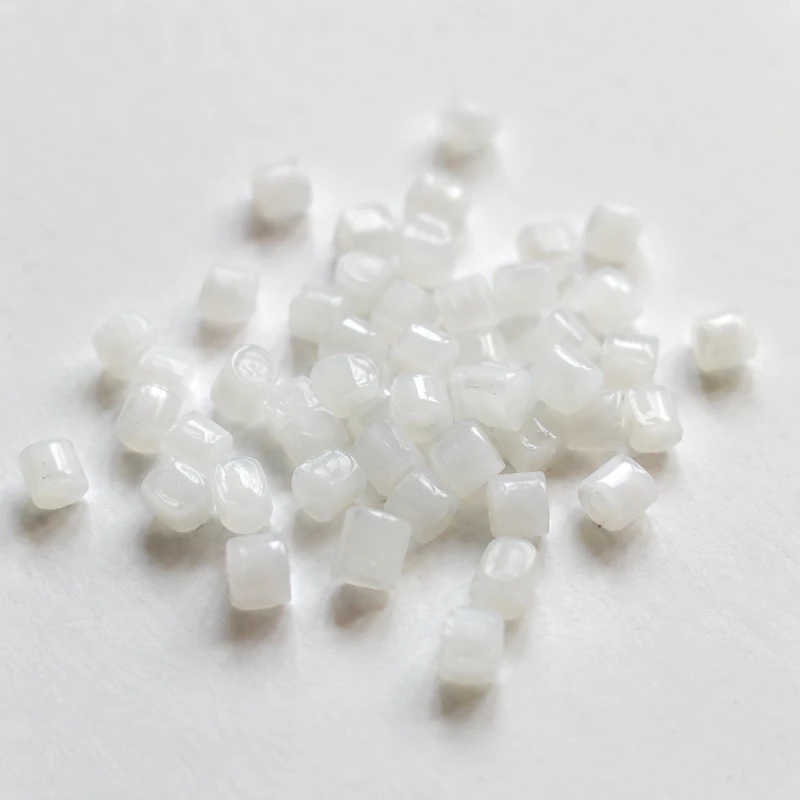
What Is a Pellet Sorting Machine?
A pellet sorting machine is an advanced industrial device designed to automatically classify plastic granules based on their color, size, shape, and material composition. Often referred to as a plastic pellet sorting machine or granule sorting system, this equipment employs cutting-edge optical sensors and high-speed data processing units to inspect each individual pellet as it flows through the machine. For plastic recycling facilities and compounding plants, this technology is indispensable because it ensures that only high-quality, uniform pellets proceed to the next stage of production, while defective or contaminated particles are swiftly removed. The core function of such a machine is to replace manual inspection, which is not only labor-intensive but also prone to error, especially when dealing with high volumes of small granules. By automating the sorting process, manufacturers can achieve consistent product purity, reduce waste, and meet the rigorous standards demanded by industries like automotive, packaging, and medical device manufacturing. The term "pellet sorting" is often used interchangeably with "granule sorting," but it typically refers to systems that handle post-extrusion or recycled pellets, which may vary in shape and surface texture. Understanding how this machinery operates is the first step for any production manager looking to enhance their quality control workflow.
Core Components of a Pellet Sorter
A typical pellet sorter consists of several key subsystems that work in harmony to achieve precise separation. The feed system, often a vibratory feeder or a chute, ensures that pellets are delivered in a single layer, preventing overlapping that could confuse the sensors. Next is the detection unit, which may include high-resolution cameras for color recognition, near-infrared (NIR) sensors for material identification, or a combination of both. This unit scans every granule as it passes through the inspection zone, capturing spectral or visual data in milliseconds. The ejection mechanism is usually a network of precisely controlled air nozzles that fire bursts of compressed air to deflect non-conforming pellets into a reject bin. Some advanced models also incorporate mechanical arms for larger particles. Finally, the control interface—a touchscreen panel or connected software—allows operators to set sorting criteria, monitor performance, and adjust parameters in real time. Together, these components form a robust system that can handle throughputs ranging from hundreds to thousands of kilograms per hour, making it a cornerstone of modern plastics processing lines.
How Does a Pellet Sorting Machine Sort Plastics?
The sorting process within a pellet sorting machine is remarkably fast and accurate, with each individual pellet evaluated and acted upon in a fraction of a second. Unlike manual sorting, which relies on human visual inspection and can be inconsistent, this automated approach uses computer vision and machine learning algorithms to identify even subtle deviations in color or material composition. The entire operation is continuous, meaning that once the machine is calibrated and running, it can process vast quantities of material without fatigue. For plastics processors, this speed translates directly into higher productivity and lower labor costs. Moreover, the precision of these systems ensures that acceptable pellets are not wasted, maximizing yield and profitability. The following steps break down the journey of a pellet through the sorter, from entry to final separation.
Step 1: Feeding and Singulation
Before any sorting can occur, the plastic pellets must be presented to the sensors in an organized manner. This is achieved through a vibratory feeder or a rotating drum that gently shakes and spreads the granules into a thin, uniform stream. The goal is singulation—ensuring that each pellet is physically separated from its neighbors so that the detection unit can inspect it individually. If pellets were stacked or clumped together, the sensors might misinterpret them as a single object or miss defects hidden beneath the surface. The feed rate is carefully controlled to match the capacity of the detection and ejection systems, preventing bottlenecks. Some machines also include a pre-screening stage to remove oversized or undersized particles before they enter the main sorting zone, further protecting the accuracy of the subsequent steps.
Step 2: Detection and Analysis
Once the pellets are aligned in a single layer, they pass through the detection zone where high-speed cameras and spectral sensors capture detailed information about each granule. Color sensors analyze the reflected light to identify deviations from the acceptable color range, such as yellowed pellets in a batch of clear material or dark specks in white granules. For more advanced sorting, NIR sensors can determine the chemical composition of the pellet, differentiating between polymers like polyethylene and polypropylene even when they look identical. The collected data is processed by a computer that compares each pellet's signature against predefined quality standards stored in its memory. This analysis happens in real time, with decisions made in microseconds. Modern systems often use deep learning models that improve their accuracy over time by learning from previous sorting runs, making them adaptable to new material streams.
Step 3: Ejection of Defects
When the computer identifies a pellet that does not meet the quality criteria, it triggers an ejection signal. This signal is sent to a specific nozzle in the air jet array, which fires a precisely timed burst of compressed air. The force of the air diverts the defective pellet from the main flow into a separate reject chute or bin. The timing is critical: the nozzle must fire at the exact moment the target pellet passes in front of it, or the system might accidentally eject a good pellet or miss the defect. High-end machines use multiple rows of nozzles, each controlled independently, to handle high throughput without sacrificing accuracy. After ejection, the accepted pellets continue along their path to a collection container, ready for packaging or further processing. This three-step cycle repeats thousands of times per minute, creating a seamless and efficient sorting operation.
What Plastics Can a Pellet Sorting Machine Detect?
A pellet sorting machine is remarkably versatile when it comes to the types of plastic materials it can handle. Commonly processed polymers include polypropylene (PP), polyethylene (PE) in its various densities, polystyrene (PS), acrylonitrile butadiene styrene (ABS), and polyethylene terephthalate (PET). In addition to these, engineering plastics like nylon (PA) and polycarbonate (PC) can also be sorted, provided the correct sensor technology is configured. The machine is adept at identifying physical defects such as black specks, metal fragments, degraded or yellowed pellets, and even variations in surface gloss. For contaminant removal, these systems can detect foreign particles that differ in color or material composition, such as a single PP pellet in a stream of PE. The key advantage is that the sorting can be tailored: operators can set the machine to remove only specific color deviations, or to separate different polymer types entirely, depending on their end-product requirements. This flexibility makes the pellet sorter suitable for both pre-consumer recycling (e.g., regrind from injection molding) and post-consumer waste streams.
Detectable Materials
Among the materials that a standard optical pellet sorter can reliably handle are polypropylene and polyethylene, which are common in packaging and consumer goods. High-resolution color cameras can easily spot discolored pellets, such as those that have turned yellow due to heat degradation. For sorting by polymer type, NIR sensors are effective at distinguishing between PP and PE because of their different infrared absorption patterns. Similarly, PET can be separated from PVC or other chlorinated plastics, which is crucial for recycling streams where PVC contamination can ruin a batch. The machine can also detect metallic contaminants like aluminum or copper shavings that might have entered the material during grinding or handling. These foreign objects are often identified by their distinct reflectivity or shape, triggering the ejection mechanism to remove them before they damage downstream equipment like injection molding machines.
What It Cannot Sort
Despite its advanced capabilities, a pellet sorting machine has limitations. Transparent pellets of different polymer grades but nearly identical appearance, such as clear polypropylene and clear polyethylene, can be challenging for purely optical color sorters because they reflect light similarly. In such cases, NIR or even hyperspectral imaging sensors may be required to differentiate them based on chemical structure. Another limitation arises when pellets have similar surface textures and colors but different internal compositions, such as filled versus unfilled materials. Without deeper spectral analysis, these pellets might be misclassified. Additionally, very small particles—below 1 mm in size—can be difficult to singulate and eject accurately, potentially leading to lower sorting efficiency. Some heavily contaminated streams, where defects are very numerous, may require a two-stage sorting process to achieve the desired purity. Understanding these constraints helps buyers select the right machine configuration for their specific material streams.
Pellet Sorting Machine Specifications
| Parameter | Value |
|---|---|
| Processing Capacity | 500 – 3,000 kg/h |
| Sorting Width | 600 – 1,200 mm |
| Number of Channels | 2 – 6 (per camera line) |
| Sorting Purity | 99.5% – 99.9% |
| Power Consumption | 5 – 15 kW |
These specifications provide a general guideline for selecting a machine. Higher processing capacities are typically achieved with wider sorting belts and more detection channels, but they also require more floor space and energy. It is important to note that the quoted purity levels assume a clean feed stream; heavily contaminated materials may require slower feed rates or multiple passes to reach the same purity. Power consumption varies based on the number of sensors, air compressors, and conveyors used. Buyers should request a detailed datasheet from the manufacturer to match these parameters to their specific production environment.
Pellet Sorting vs. Granule Color Sorting
The terms "pellet sorting" and "granule color sorting" are often used interchangeably in the plastics industry, but they refer to machines with distinct capabilities. A granule color sorting machine is primarily designed to inspect surface color and remove pellets that do not match a preset color range. It is ideal for applications where the material is clean and defects are mainly cosmetic, such as in virgin resin production. In contrast, a pellet sorting machine is a more comprehensive system that can evaluate both color and material composition. It is better suited for recycled materials, which often contain a mix of polymer types, metal contaminants, or degraded particles. The choice between the two depends on the level of quality control required. For instance, a manufacturer producing clear PET bottles might only need color sorting to remove tinted pellets, while a recycler handling mixed post-consumer waste would benefit from a multisensory pellet sorter that can also distinguish between different plastics. Understanding these nuances helps prevent overspending on unnecessary features while ensuring that quality standards are met.
Pellet Sorting Machine
A true pellet sorting machine is engineered to handle the complexities of recycled material streams. It can process irregularly shaped pellets, including those that are elongated or have rough surfaces from the reextrusion process. This machine is frequently integrated into a compounding or recycling line, where it acts as a final quality checkpoint before packaging. Because it uses multiple sensor types, such as color cameras and NIR modules, it can remove not only color deviants but also foreign polymers like a stray PET pellet in a stream of HDPE. The ejection system is robust, with high-speed nozzles that can handle the higher throughput often required in large-scale recycling operations. Some models even include metal detection capabilities, providing an additional layer of protection for downstream equipment. For companies that value purity above all else, investing in a full-featured pellet sorter is a strategic decision that reduces downtime and customer complaints.
Granule Color Sorting Machine
A granule color sorting machine, by contrast, is more specialized. It excels in applications where the material is of consistent quality and the main goal is to remove discolored or misshapen granules. These machines are common in the production of masterbatch or virgin resins, where only a small percentage of off-color pellets need to be removed. They are generally less expensive than pellet sorters because they use only optical sensors and have simpler ejection systems. However, they cannot identify polymer types or detect contaminants that do not differ in color. For example, a black pellet in a batch of black masterbatch would be invisible to a color sorter if the shade is identical. Therefore, a granule color sorter is best suited for pre-consumer scrap or high-purity feedstock where material composition is already known and controlled. Buyers must carefully evaluate their material profile before deciding on this type of machine.
When to choose a pellet sorting machine: If your material contains black specks, metal shavings, or requires both color and material-type sorting, a pellet sorter is the right choice.
What Industries Use Pellet Sorters?
Pellet sorting machines have found applications across the entire plastics value chain, from raw material production to final manufacturing. Their ability to ensure consistent quality makes them invaluable in industries where even minor defects can lead to product failure or regulatory non-compliance. Facilities that handle recycled plastics rely heavily on these machines to upgrade the quality of their output, allowing them to compete with virgin materials in demanding markets. The following sections highlight the primary sectors that benefit from this technology.
Plastic Recycling Plants
In plastic recycling plants, pellet sorters are used to process regrind or washed flakes into high-purity pellets. After the initial shredding and washing steps, the material still contains contaminants like paper, metal, or mixed polymers. The pellet sorter acts as a final cleaning stage, removing these impurities so that the recyclate can be sold as a premium product. This is critical because many end-users, such as packaging manufacturers, require recycled content with a purity level above 99.5% to maintain their own quality standards. By automating this step, recycling plants can handle larger volumes without increasing labor costs, improving their economic viability.
Compounding and Masterbatch Production
Compounding facilities produce specialized plastic blends by mixing base resins with additives, colorants, or fillers. During this process, off-spec granules may be generated due to incomplete mixing or cross-contamination between batches. A pellet sorting machine installed at the end of the compounding line removes these defects before the material is packaged and shipped. This is particularly important in masterbatch production, where color consistency is paramount. A single off-color granule in a batch of masterbatch can cause streaking or discoloration in the final product, leading to customer rejection. The sorter ensures that only uniform, high-quality granules enter the market.
Injection Molding & Extrusion Feedstock Preparation
Companies that operate injection molding or extrusion lines also benefit from pellet sorting. They often receive feedstock from multiple suppliers, which may vary in quality. By using a pellet sorter to inspect incoming pellets, they can guarantee that their raw material meets strict criteria for demanding applications like medical devices, automotive parts, or food contact packaging. This proactive approach reduces the risk of producing defective parts, which can be costly to scrap. Some large manufacturers integrate pellet sorters directly into their material handling systems, allowing them to feed clean pellets into their machines without interrupting production.
How to Choose the Right Pellet Sorting Machine
Selecting the appropriate pellet sorting machine requires a thorough analysis of your material characteristics, throughput goals, and budget constraints. Making the wrong choice can lead to insufficient sorting purity or unnecessary capital expenditure. The following steps provide a framework for evaluating your options.
Understand Your Material Profile
Begin by listing the types of defects present in your material stream. Common defects include color deviants (e.g., yellowed or blackened pellets), foreign polymers, metal particles, and oversized or undersized granules. This information dictates whether you need a basic color-only sorter or a multisensory system with NIR capabilities. For example, if your stream contains both PP and PE pellets, a color sorter alone will not separate them; you must invest in a machine with NIR sensors. Similarly, if metal contamination is a concern, look for models with integrated metal detection. Testing your material with different sensor configurations is advisable before committing to a purchase.
Evaluate Throughput and Purity Targets
Your production line speed and desired output quality will determine the required machine capacity. Machines with higher channel counts and wider sorting widths can process more material per hour but come at a higher cost. If your target purity is 99.9%, you may need a slower feed rate or a multi-stage sorting setup to achieve that level. Conversely, if a purity of 99% is acceptable for your application, a single-pass sorter might suffice. It is essential to balance throughput with precision: pushing a machine beyond its optimal capacity leads to missed defects and lower quality. Always consult the manufacturer's throughput versus purity curves to find the sweet spot for your operation.
Check Sensor Technology
The sensor technology is the heart of any pellet sorting machine. Optical sensors are adequate for color-based sorting and are the most common choice for applications with clean, homogeneous materials. However, if you need to identify material types—for instance, separating PP from PE or removing contaminated pellets in a food-grade recycling line—you should opt for a sorter with NIR or hyperspectral capabilities. These sensors add to the machine's cost but provide essential functionality for complex sorting tasks. Also consider the sensor's resolution and the number of inspection channels: more channels mean more data points per pellet, improving detection accuracy. Some newer machines use AI-powered algorithms that can adapt to changing material characteristics, making them a future-proof investment.
FAQ
What is the typical purity level of a pellet sorting machine?
The typical purity range is 99.5% to 99.9%, depending on the feed quality and the machine's sensor resolution. Higher purity is achievable with multi-stage sorting.
Can a pellet sorter handle wet or sticky pellets?
Most standard machines are designed for dry, free-flowing pellets. For wet or sticky materials, look for models with heated feeds or anti-clogging vibratory trays.
How often does the sensor need calibration?
Calibration is usually recommended every 6 to 12 months, but this can vary based on usage frequency and material dust levels. Many modern machines offer automatic self-calibration features.