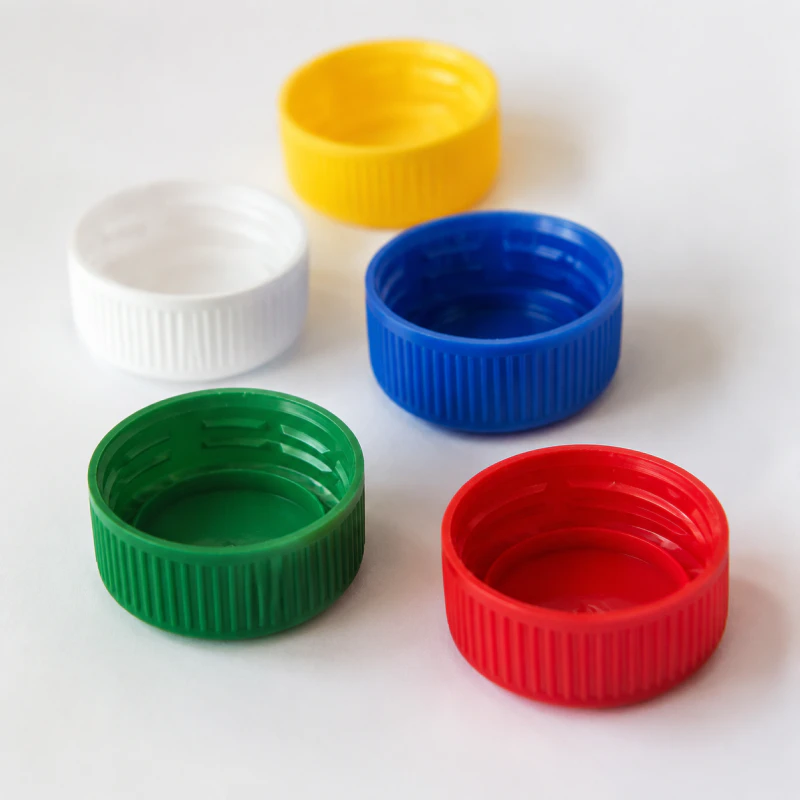
What Is a Cap-Closure Sorter?
A cap-closure sorter is a specialized plastic sorting machine designed to automatically separate bottle caps, lids, and closures from other plastic materials, such as PET bottles or mixed plastic streams. This advanced equipment integrates optical sensors and high-speed air jets to identify and eject closures based on their unique shape, color, and polymer type. Often referred to as a cap sorting machine, closure separator, or lid sorting system, this device plays a critical role in recycling facilities aiming to improve the purity of their recycled materials. Without such automation, bottle caps and lids can contaminate plastic flake streams, reducing the value of recycled PET or HDPE and creating quality issues for downstream processors. By leveraging technologies like near-infrared spectroscopy and machine vision, a cap-closure sorter ensures that each closure is accurately targeted, even when mixed with similarly shaped contaminants.
The operation of a cap-closure sorter relies on a precise understanding of the physical and chemical properties of different closure types. For example, polypropylene caps often have a distinct density and infrared signature compared to polyethylene lids, allowing the system to differentiate them during the detection phase. Additionally, the machine can handle various closure designs, including screw caps, snap-on lids, and tamper-evident bands, by training the software to recognize specific edge geometries or color patterns. This adaptability is crucial for recycling plants that process diverse waste streams from municipal or industrial sources. A well-calibrated cap sorting machine not only boosts throughput but also minimizes the need for manual intervention, reducing labor costs and human error. Ultimately, the primary goal of such a system is to deliver clean, marketable fractions of polyethylene and polypropylene that can be sold to pelletizers or manufacturers for reuse in new products.
How Does a Cap-Closure Sorter Sort Plastics?
The sorting process for a cap-closure sorter follows a precise, multi-step workflow designed to ensure accurate separation under demanding industrial conditions. First, the material infeed and conveyance stage begins when plastic flakes or whole containers are fed onto a high-speed conveyor belt in a single layer. A vibratory feeder ensures uniform distribution, preventing overlapping that could cause detection errors. For whole bottle streams, a de-drumming or trommel screen may pre-separate loose caps before they reach the sorter, optimizing the throughput of the main sorting unit. The conveyor speed is typically synchronized with the upstream shredder or depalletizer to maintain a consistent flow, typically between 1 and 3 meters per second. This controlled feeding is essential because even minor fluctuations in material density can impact the accuracy of downstream optical detection.
Once the material is properly aligned, the optical detection phase employs a sensor array comprising smart cameras and near-infrared (NIR) spectrometers that scan the passing items in real time. The system identifies caps based on specific features like color, diameter, edge geometry, and polymer signature—for example, distinguishing a white PE cap from a transparent HDPE bottle flake. The computer processing unit analyzes this sensor data in milliseconds, triggering a decision on which objects to reject using advanced algorithms trained on thousands of closure images. The ejection mechanism then uses high-precision air nozzles to blast compressed air at the targeted caps, deflecting them out of the main material stream and into a separate chute. Finally, the separated caps and closures are collected in one container, while the remaining plastic, such as bottle flakes, continues to the next processing stage. This entire cycle repeats thousands of times per minute, delivering recovery rates above 98% in well-maintained systems.
What Plastics Can a Cap-Closure Sorter Detect?
A cap-closure sorter is highly versatile, capable of detecting a wide range of plastic types commonly used in closure manufacturing. Detectable types include polyethylene in both high-density (HDPE) and low-density (LDPE) forms, polypropylene (PP) caps, colored caps, metal caps (via integrated metal sensors), tamper-evident bands, screw caps, and snap-on lids. The system's optical sensors can distinguish between clear and opaque closures, as well as those with printed labels or embossed textures. For instance, a cap sorting machine can separate blue PE bottle caps from green PET flake by analyzing the reflected light spectra. Similarly, NIR spectroscopy can identify the polymer signature of a cap, even if it is physically attached to a bottle, provided the system is configured for whole-bottle sorting. This capability is crucial for meeting the quality specifications demanded by recyclers who sell to end-users requiring 99%+ purity in their recycled pellet products.
However, there are certain limitations to what a standard cap-closure sorter can detect. Non-detectable types include heavy rubber gaskets, which are non-plastic and may have similar densities to some polymers, causing confusion in the sensor logic. Paper label remnants that are physically identical to a cap in shape can also pose challenges, especially if they fragment during shredding. Additionally, very dark black caps often absorb too much light for standard NIR sensors to identify their polymer type, although advanced systems can address this with specialized sensor upgrades, such as hyperspectral imaging or increased illumination intensity. For facilities processing mixed post-consumer waste that includes opaque black closures, investing in such upgrades may be necessary to avoid contamination in the final plastic fraction. Despite these challenges, most modern machines achieve detection rates above 95% for typical closure materials, making them a reliable solution for industrial recycling operations.
Cap-Closure Sorter Specifications
When evaluating a cap-closure sorter for your facility, understanding the technical specifications is essential for matching the equipment to your operational needs. For example, Model A is a compact unit designed for smaller plants or pilot projects, offering a processing capacity of 500 to 1,000 kilograms per hour. It features a sorting width of 600 millimeters and two detection channels: one for color and one for shape. This model is ideal for startups or facilities with limited throughput requirements, such as a small MRF processing regional bottle streams. In contrast, Model B is a standard industrial machine capable of handling 1,500 to 3,000 kilograms per hour with a 1,200-millimeter belt width and three detection channels, adding NIR spectroscopy for polymer identification. This configuration achieves a sorting purity exceeding 98%, which is sufficient for most recycling applications where intermediate quality is acceptable.
For high-throughput operations, Model C offers a processing capacity of 3,500 to 5,000 kilograms per hour with a 2,000-millimeter sorting width and four detection channels—color, shape, NIR, and metal—delivering a remarkable purity of greater than 99%. This model consumes up to 18 kilowatts of power, reflecting the additional energy required for multiple sensor arrays and more powerful air compressors. The choice between these models depends on factors like your current conveyor speed, the volume of material you process daily, and the purity targets set by your buyers. A plant producing recycled PET for food-grade applications, for instance, may require the 99% purity of Model C, while a general waste-to-energy facility might find Model A sufficient. It is also important to consider the physical dimensions of the sorter, as it must fit into your existing layout without requiring major structural modifications. Consulting with a technical sales representative can help you select the model that balances cost, throughput, and purity requirements for your specific closure separation needs.
Cap-Closure Sorting vs. Traditional Hand-Sorting
Comparing a cap-closure sorter to traditional hand-sorting reveals significant differences in efficiency, consistency, and cost-effectiveness. A cap-closure sorter is fully automated, operating at high speed and handling thousands of caps per minute with minimal variation in performance. It can run continuously for 24 hours per day, seven days per week, without fatigue or breaks, ensuring a steady output of sorted plastics. This automation leads to extremely high accuracy, typically above 98%, because the optical sensors and algorithms are not subject to human distractions. Additionally, the labor cost is dramatically reduced, as one operator can oversee multiple machines instead of requiring dozens of workers on a manual sorting line. For large-scale recycling plants and material recovery facilities (MRFs) processing thousands of tons per year, this technology pays for itself within 12 to 24 months through labor savings and the premium prices earned for cleaner recycled fractions.
In contrast, hand-sorting is slow and labor-intensive, relying on workers to visually identify caps and manually pick them from a conveyor. This method is prone to human error, especially when targets are small, fast-moving, or similarly colored. Fatigue after long shifts further reduces accuracy, leading to higher contamination levels in the final product. The operational cost is also high because of wages, benefits, and the need for shift rotations to maintain coverage. For a small startup processing less than 500 kilograms per day, hand-sorting might be a temporary solution when automation investment is not justifiable, but it quickly becomes a bottleneck as volumes grow. Ultimately, the choice between the two methods depends on scale: cap-closure sorters are ideal for high-throughput environments where quality standards are strict, while manual picking may serve as a stopgap for micro-enterprises exploring market viability. Investing in a cap sorting machine from the start often yields a faster return by avoiding the inefficiencies of manual labor.
What Industries Use Cap-Closure Sorters?
Cap-closure sorters find applications across several industries where precise plastic separation is required. In plastic recycling plants, they are used for separating caps from PET or HDPE bottle flakes, improving the quality of recycled materials for sale to pelletizers. For example, a medium-sized facility processing curbside bottles often installs a cap-closure sorter downstream of a shredder to ensure that any closures embedded in the flake stream are removed. This prevents contamination in the wash line, where caps can float differently than PET flake during sink-float tanks. Waste-to-energy facilities also utilize these machines to extract high-calorific-value caps made from PP or PE, which can be used as fuel for energy recovery. By diverting these plastics to a separate stream, plants can optimize their combustion efficiency and reduce ash content, aligning with sustainability goals.
Packaging manufacturers are another key user, deploying cap-closure sorters for in-line quality checks and removal of defective closures before packaging. For instance, a bottle cap producer might install a sorter at the end of an injection molding line to eject caps with molding errors, such as off-center threads or incomplete sealing surfaces. Material recovery facilities (MRFs) further rely on these systems to enhance the purity of sorted plastics before sale to end-users, meeting stringent specifications for PCR (post-consumer resin) markets. In the food and beverage recycling sector, specialized separation of caps from drink containers is critical because residual liquids can carry contaminants that degrade the polymers. A cap-closure sorter integrated with a metal detector can also remove aluminum caps from glass bottles, which is common in beer and wine recycling. Overall, any industry dealing with mixed plastic waste streams can benefit from the targeted separation that a lid sorting system provides.
How to Choose the Right Cap-Closure Sorter
Selecting the appropriate cap-closure sorter for your facility requires a systematic evaluation of your feed material and operational goals. First, assess your feed material: are you sorting whole bottles or shredded flakes? Whole bottle lines require wider belts to accommodate full container dimensions, while flake lines demand higher accuracy to separate small fragments that may be similar in size. Next, define your target purity; if you need 99%+ purity for high-value recycled pellets, investing in a multi-channel system with NIR and metal detection is advisable. A lower purity target of 95% might allow you to choose a simpler, more cost-effective model with color detection only. Capacity needs should also be matched to your upstream shredder or conveyor speed; a sorter that processes 2,000 kg/h will not be useful if your shredder produces only 1,000 kg/h, as the sorter would be underutilized.
Consider the types of polymers in your stream; if your material contains both PP and PE caps, ensure the sorter’s sensor can differentiate between these polymers using NIR technology. This is particularly important for mixed residential waste streams that include a variety of closure styles. Integration with your existing system is another critical factor: confirm that the sorter’s belt width and interface align with your current conveyor setup to avoid bottlenecks or modification costs. Finally, refer to the specifications table above to narrow down models based on throughput and purity requirements. For example, a company processing 3,000 kg/h of bottle flakes with a target purity of 98% would likely choose Model B. Additionally, consider the availability of local service and spare parts for the chosen brand, as downtime can be costly. Requesting a demo with your own material sample is a best practice to validate performance before purchase, ensuring the cap-closure sorter meets your unique application needs.
FAQ
Can a cap-closure sorter separate metal caps from plastic caps?
Yes, it can. Most modern cap-closure sorters include an integrated metal detector, typically an inductive sensor, that triggers the air ejection system to remove aluminum or steel caps, which are common on glass beverage bottles. This feature is crucial for recycling lines that accept mixed containers, as metal caps can damage downstream shredders or contaminate plastic melts. The sensor detects the magnetic or conductive properties of metal, allowing the system to distinguish it from non-metallic materials like polyethylene or polypropylene. In some configurations, the metal detector is placed immediately after the conveyance stage, ensuring that any metal caps are ejected before the plastic sorting step. For plants specializing in bottle-to-fiber recycling, such as those producing PET flakes for polyester production, removing metal caps prevents oxidation and discoloration in the final product. It is important to note that the detection threshold can be adjusted to capture even small fragments of foil liners, enhancing overall purity levels.
What is the typical payback period for a cap-closure sorter?
The payback period for a cap-closure sorter is usually 12 to 24 months under typical operating conditions. This estimate assumes a high-volume plant processing over 2,000 kilograms per hour, where labor savings from automated sorting directly reduce operational expenses. For instance, a facility previously employing ten manual sorters at a total annual cost of $300,000 might replace them with a single machine costing $250,000 plus installation, generating immediate savings. Additionally, the increased purity of the sort product often commands a premium price in the recycled materials market—customers may pay 10 to 20 percent more for caps-sorted PE or PP compared to unsorted fractions. The calculator should also account for reduced downtime and maintenance; manual sorters require breaks and shifts, while the sorter runs continuously. Smaller plants with lower throughput may experience a payback period extending to 30 months, but the investment still proves cost-effective over the machine’s expected lifespan of four to seven years. Energy and maintenance costs for the sorter are typically low, further improving the return on investment.
How does a cap-closure sorter handle caps that are still attached to bottles?
It depends on the system configuration. In a post-shredding setup, caps are already separated from bottles by the shredding process, so the sorter works with a mix of flake and cap pieces. In a whole-bottle sorting line, however, the cap-closure sorter typically operates downstream of a separator, such as a trommel screen or air classifier, that first removes loose caps. Some advanced whole-bottle sorters can detect caps that remain attached, using sensors that identify the change in shape or polymer at the bottleneck. In such cases, the system may trigger a rejection of the entire bottle, which is then manually separated or sent to a secondary crusher. For facilities processing large volumes of whole bottles from curbside collection, it is often more efficient to allow the caps to remain until after size reduction. The key is to configure the sorter’s detection logic to ignore the bottle bodies and focus on cap-specific features, which requires careful calibration of the camera algorithms. Consulting with the manufacturer about your specific stream composition will yield the best separation strategy.
Can the same machine sort both rigid caps and flexible tamper-evident bands?
Yes, with appropriate sensor settings and training. The shape-detection software of a cap-closure sorter can be trained to recognize the distinctive ring-like geometry of tear bands, in addition to the standard circular profiles of screw caps and snap-on lids. Flexible tamper-evident bands, often made from LDPE, can be separated from rigid PP caps even when they are similar in color or size. The machine's high-resolution cameras capture the band's characteristic thin, curled shape, while NIR sensors identify its polymer composition, allowing for precise ejection. For optimal results, the system must be fed with material that has been pre-screened to ensure bands are not tangled or wrapped around other items. In practice, many recycling plants report success rates above 90% for tamper-evident band removal after a training period of several thousand images. This capability is particularly valuable for milk bottle and juice container recycling, where closures and bands often originate together. If your stream includes a high proportion of such items, requesting a trial sorting run with your material will confirm the machine's effectiveness before purchase.