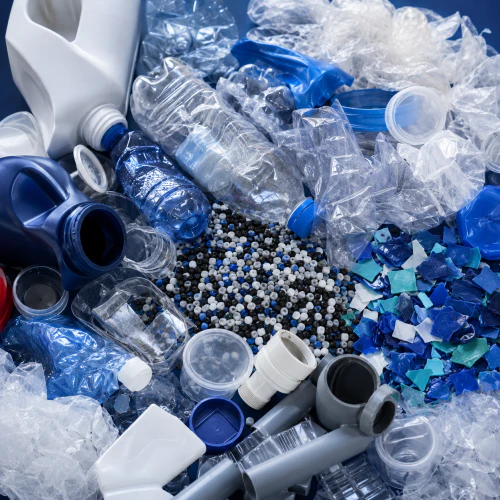
Find the right plastic sorting machine for your needs
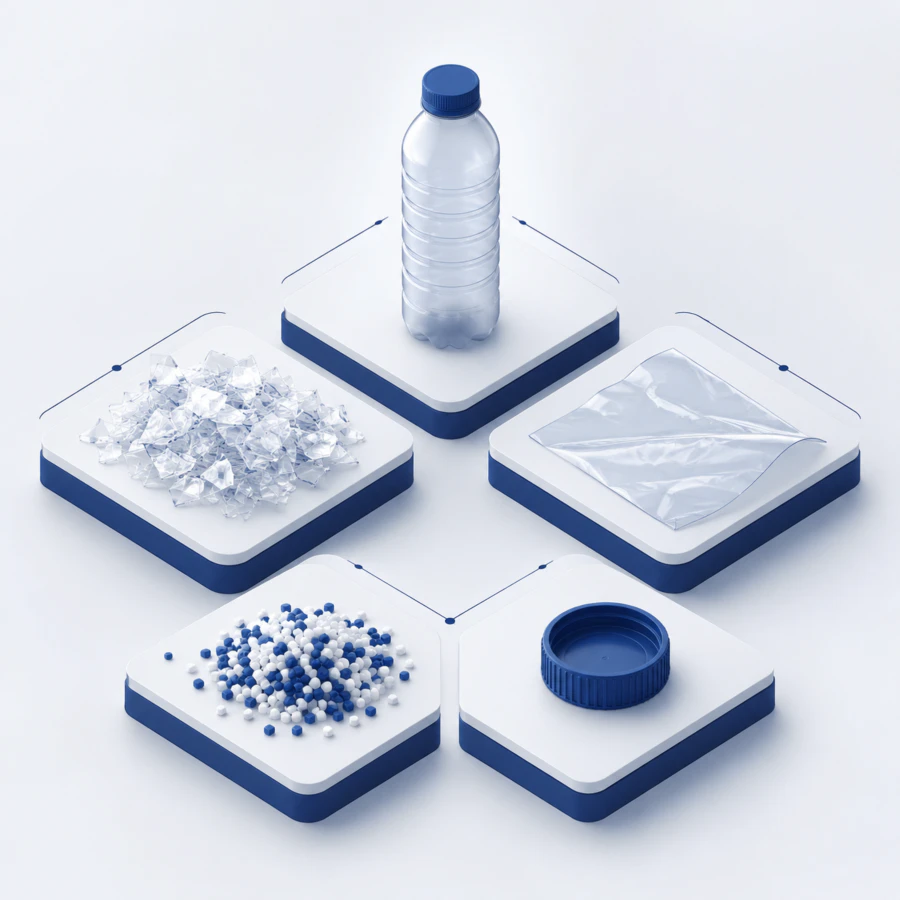
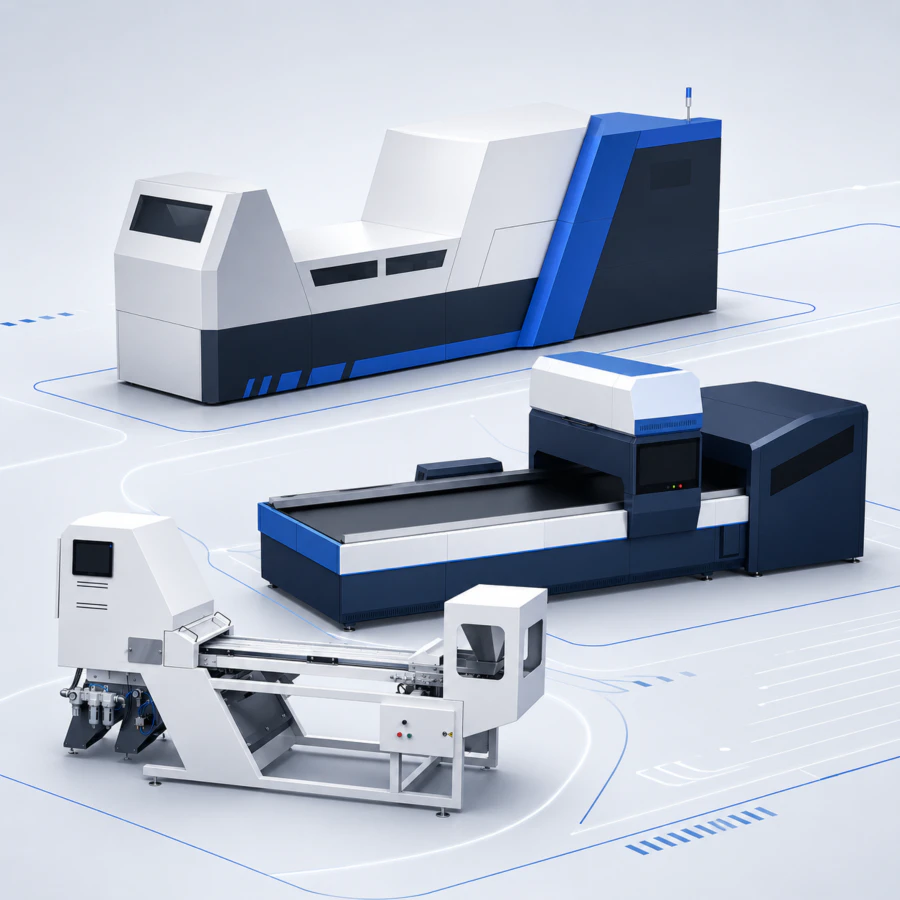
How Plastic Sorting Machines Work
Every plastic sorting machine follows the same core principle: detect, decide, and separate. Here's how optical sensors and intelligent control systems turn mixed plastic waste into clean, high-purity output - automatically and at scale.
1 Material Feeding
Mixed plastics are loaded onto a vibrating feeder that spreads the material into a single, evenly distributed layer. Consistent feeding is what allows the sensors to scan every piece accurately, whether you're sorting bottles, flakes, film, or pellets.
2 Sensor Detection
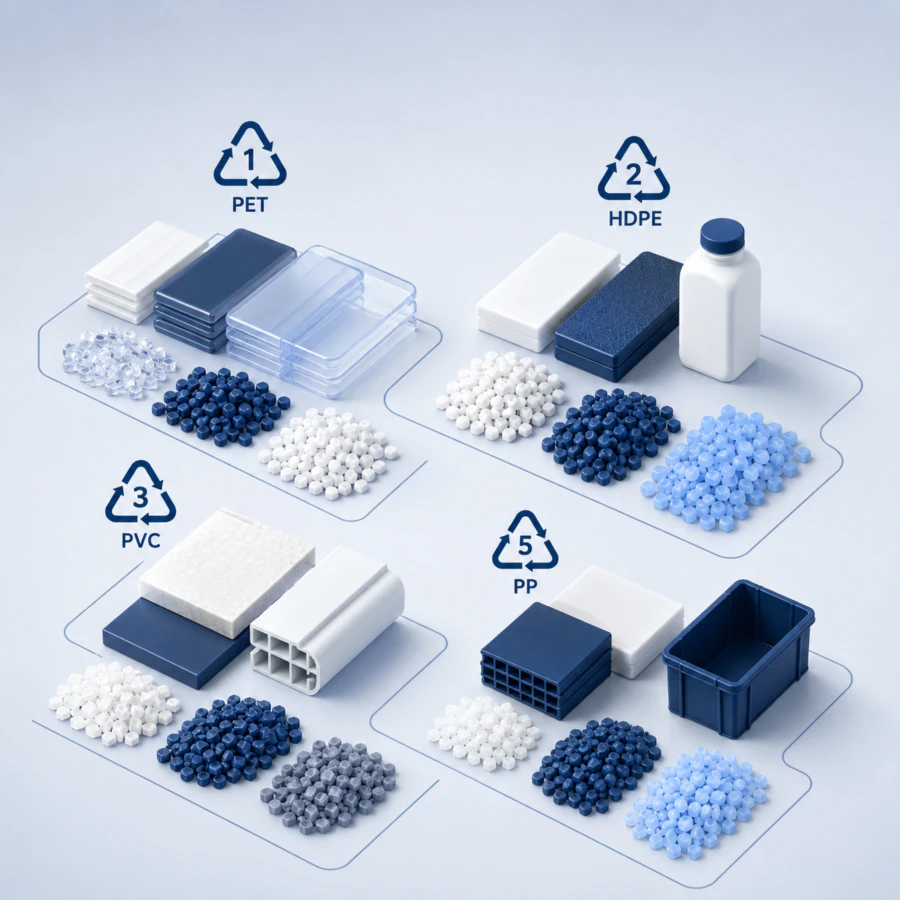
As the material passes the scanning zone, high-resolution optical sensors and NIR (near-infrared) detectors analyze each particle by color, material type, and composition in milliseconds. This is where PET, HDPE, PVC, and other polymers are identified and told apart.
3 Intelligent Processing
The control system instantly compares each reading against your defined sorting criteria and maps the exact position of every target particle. Advanced algorithms decide - piece by piece - what to accept and what to reject, with no manual intervention.
4 Precision Separation
A row of high-speed air valves fires precisely timed jets to eject the targeted plastics into separate output streams. The result is clean, consistently high-purity material ready for recycling or reprocessing - reliably, shift after shift.
Application of Plastic Sorting
From bottle-to-bottle recycling to food-grade rPET production, our plastic sorting machines are trusted across industries where purity, consistency, and throughput matter most. Find the application that fits your operation.
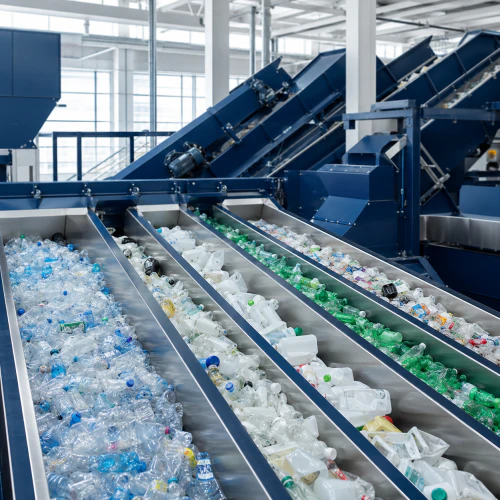
Plastic Recycling Plants
Sort mixed post-consumer and post-industrial plastics into clean, single-polymer streams. Boost the value of your recovered material and meet the purity standards buyers demand.
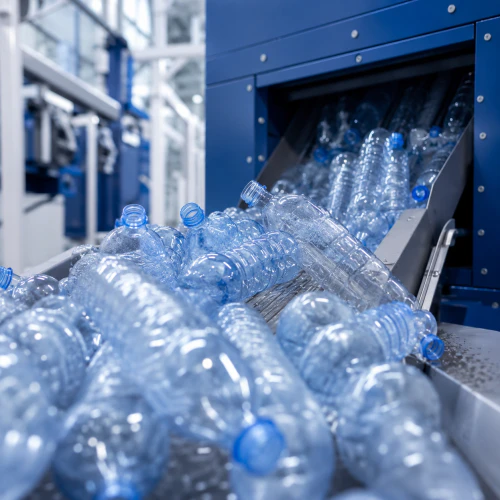
PET Bottle-to-Bottle Recycling
Separate clear and colored PET with high precision to produce food-grade rPET flakes. Achieve the low contamination levels required for bottle-to-bottle applications.
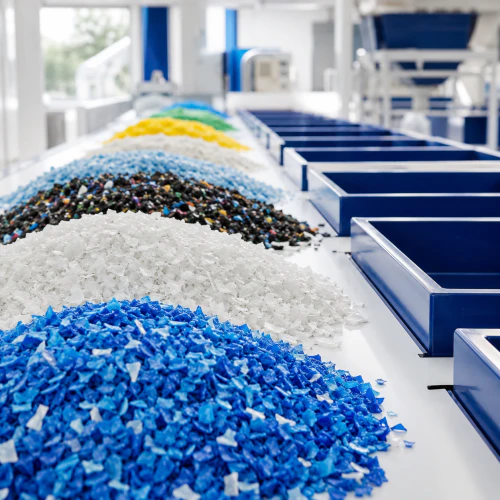
HDPE & PP Reprocessing
Identify and separate HDPE, PP, and other polyolefins by material and color, delivering clean regrind ready for high-quality reprocessing.
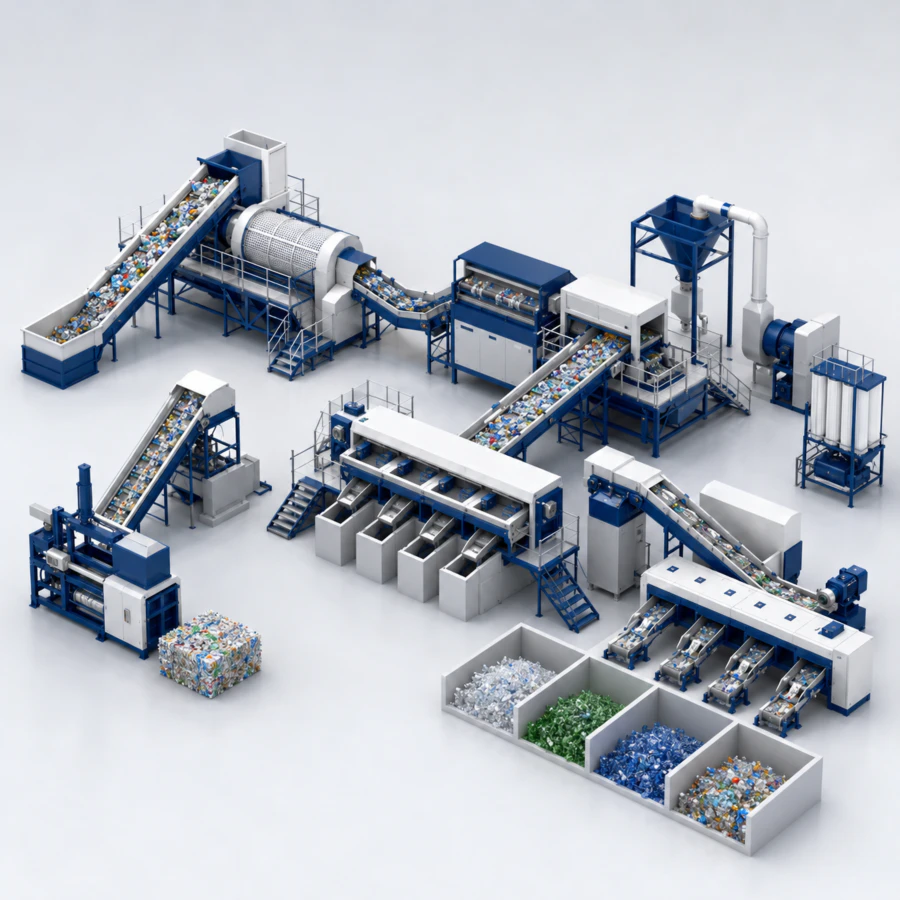
Flake & Regrind Purification
Purify shredded plastic flakes by removing off-color, off-material, and foreign particles, turning low-grade regrind into high-value recycled material.
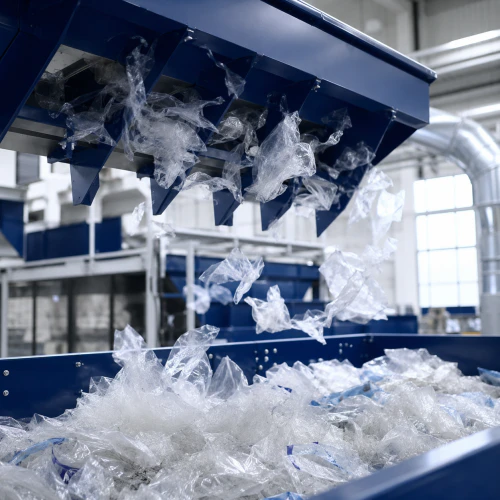
Film & Flexible Packaging Recycling
Sort lightweight LDPE and flexible films that conventional systems struggle with, recovering clean film fractions for reprocessing.
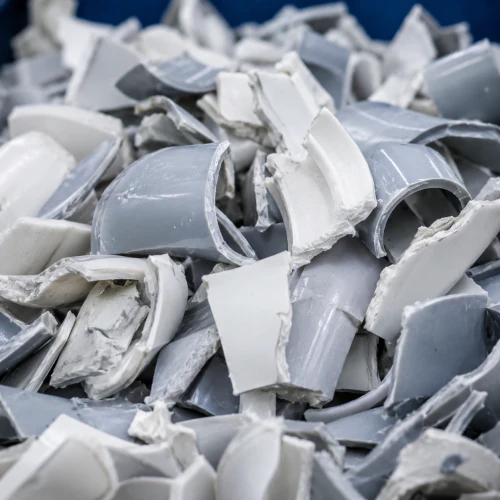
PVC & Contaminant Removal
Detect and eject PVC, wood, metal, and other contaminants from your plastic stream — critical for protecting downstream extrusion and maintaining output quality.
Plastic Sorting Machine FAQs
Common questions from buyers evaluating a plastic sorting machine for their recycling or reprocessing operation.